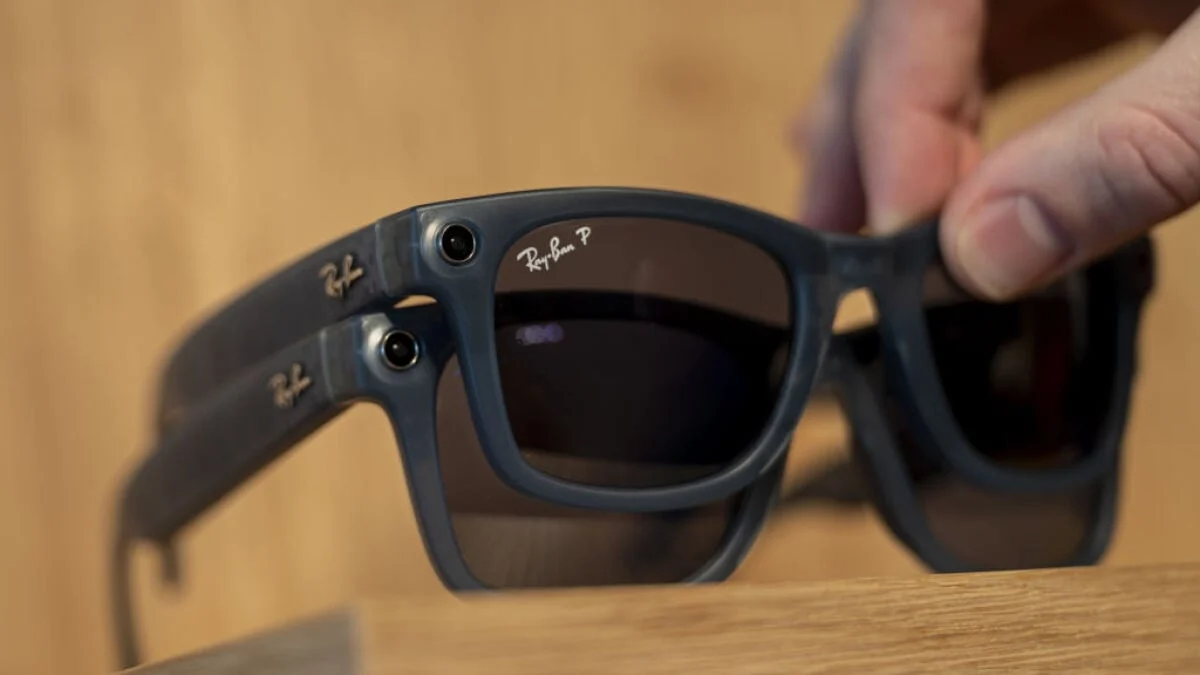
A coalition of more than 70 civil rights, privacy, and labor organizations, led by the American Civil Liberties Union (ACLU), has issued a formal demand for Meta to abandon its reported plans to integrate facial recognition technology into its line of smart glasses. The advocacy groups sent a joint letter to the social media giant, urging the company to "immediately halt and publicly disavow" any initiatives that would enable wearable devices to identify individuals in real-time. The ACLU warns Meta against facial recognition in smart glasses as a matter of public safety, citing concerns that such technology could empower stalkers, predators, and state surveillance.
The coalition’s letter follows reports that Meta has been internally developing a feature known as "Name Tag," which would leverage artificial intelligence to identify people through the cameras embedded in Meta’s Ray-Ban and Oakley smart glasses. While Meta has positioned its wearable technology as a tool for seamless content creation and hands-on AI assistance, critics argue that the addition of biometric identification transforms a consumer gadget into a pervasive surveillance tool. The groups represent a broad spectrum of interests, including advocates for domestic violence survivors, worker rights, and digital privacy.
The Push Against Meta’s Facial Recognition Strategy
The primary concern voiced by the ACLU and its partners centers on the potential for widespread, inconspicuous surveillance. Unlike traditional cameras or smartphones, which must be held up to record or analyze a subject, smart glasses are designed to look like standard eyewear. The coalition argues that this inconspicuous nature makes it impossible for the public to know when they are being scanned or identified.
The letter explicitly targets the "Name Tag" feature, which reportedly functions by matching captured images against Meta’s vast database of user profiles on platforms like Instagram and Facebook. According to industry reports, the technology could identify anyone with a Meta account, potentially revealing their full name, home address, or place of employment to a stranger wearing the glasses. The advocacy groups contend that this level of access to personal information in a public setting poses an unprecedented threat to individual anonymity.
In addition to the ACLU, organizations such as Fight for the Future and the Electronic Frontier Foundation have signed on to the protest. These groups argue that Meta’s corporate history suggests it cannot be trusted to self-regulate the deployment of such powerful biometric tools. They point to previous instances where Meta, then known as Facebook, faced significant legal and public backlash over its handling of user data and biometric information.
Risks to Vulnerable Populations and Public Safety
The coalition’s letter highlights the specific dangers that facial recognition in smart glasses poses to marginalized and vulnerable communities. Domestic violence survivors, targets of stalking, and sexual harassment victims are listed as being at high risk if this technology becomes commercially available. If a predator can identify a survivor simply by looking at them through a pair of glasses, the ability for that survivor to remain safe in public spaces is effectively neutralized.
The ACLU warns Meta against facial recognition in smart glasses by emphasizing that these risks cannot be mitigated through minor software updates or "opt-out" mechanisms. The groups argue that once the technology is in the wild, the harm is irreversible. They also note that religious minorities, LGBTQ+ individuals, and people of color have historically been disproportionately targeted by surveillance technologies, and the integration of these tools into consumer eyewear would likely exacerbate these systemic issues.
Furthermore, the groups expressed concern over the "surveillance state" implications. If millions of consumers are walking the streets with cameras capable of instant identification, the resulting network could provide a level of granular tracking that even government agencies might struggle to achieve. This decentralized surveillance network would operate without the oversight or warrants typically required for law enforcement activities.
Legal Challenges and Biometric Privacy Laws
The integration of facial recognition into smart glasses faces significant legal hurdles in several U.S. states. The coalition’s letter calls on Meta to stop opposing privacy legislation that would require companies to obtain explicit, affirmative consent before collecting or processing biometric data. Currently, states like Illinois, Texas, and Washington have strict biometric privacy laws that could make the deployment of "Name Tag" legally perilous.
In Illinois, the Biometric Information Privacy Act (BIPA) has already cost Meta hundreds of millions of dollars. In 2021, the company agreed to a $650 million settlement over a class-action lawsuit alleging it collected biometric data through its "Tag Suggestions" feature without user consent. Critics argue that "Name Tag" is essentially a more advanced and mobile version of the same technology that led to that legal defeat.
The ACLU warns Meta against facial recognition in smart glasses by pointing out that the technology would likely violate the principle of "meaningful consent." It is virtually impossible for a person walking down a public street to consent to being scanned by a stranger’s glasses. Without a mechanism to obtain this consent, Meta could find itself facing a new wave of litigation across multiple jurisdictions that prioritize biometric data protection.
Technical Functionality of the Name Tag Feature
Reports regarding the "Name Tag" project suggest the technology is designed to work in two primary ways. The first involves recognizing individuals who are actively connected to a Meta platform at the moment the scan occurs. The second, more controversial method involves recognizing anyone who simply has an account on a Meta-owned service, such as Instagram. This would encompass billions of people globally, many of whom may not have used the service in years but still have active profiles.
The technology reportedly relies on a "match" system where the AI compares the facial geometry captured by the glasses against the profile pictures and tagged photos in Meta’s database. While current reports suggest the system cannot yet identify people who do not have a Meta account, the coalition warns that this is a distinction without a difference, given Meta’s massive market penetration.
The integration of this tech would also coincide with existing privacy concerns regarding the recording capabilities of the Meta Ray-Ban glasses. Currently, a small LED light illuminates when the glasses are recording, but users have reported that this light is easily obscured or ignored in bright environments. Adding facial recognition would move the device from a passive recording tool to an active identification engine, significantly increasing the stakes for privacy.
A Reversal of Meta’s Previous Commitments
The push to include facial recognition in wearables represents a notable shift in Meta’s public stance on the technology. In 2021, Meta announced it was shutting down its facial recognition system on Facebook and deleting the faceprints of more than a billion people. At the time, the company cited growing societal concerns and the lack of clear regulatory frameworks as the reasons for its retreat.
The ACLU and its partners argue that by pursuing "Name Tag," Meta is reneging on the spirit of its 2021 commitment. The organizations claim that the risks associated with facial recognition have not diminished since then; rather, the technology has become more sophisticated and the potential for abuse has grown. They suggest that Meta’s move into wearable biometrics is an attempt to reclaim a market position it previously abandoned under pressure.
Industry analysts suggest that Meta’s interest in facial recognition is driven by its broader "Metaverse" and AI ambitions. Being able to identify people in real-time is a key component of augmented reality (AR), where digital information is overlaid onto the physical world. However, the coalition maintains that the utility of such features does not outweigh the fundamental right to privacy in public spaces.
Historical Precedents and the "Google Glass" Factor
Meta’s current predicament mirrors the challenges faced by Google more than a decade ago with the launch of Google Glass. That product was famously derailed by privacy concerns, with users dubbed "Glassholes" and banned from many public establishments, including bars, theaters, and casinos. The primary fear at the time was unauthorized recording; the addition of facial recognition would have likely ended the project even sooner.
The ACLU warns Meta against facial recognition in smart glasses to prevent a similar, but more severe, social backlash. If Meta’s glasses become synonymous with unconsented identification, the brand could face a permanent stigma that affects its entire hardware division. Unlike Google Glass, which was a niche product for early adopters, Meta’s glasses are designed for the mass market, meaning the potential for social friction is significantly higher.
The coalition argues that for smart glasses to be socially acceptable, they must respect the traditional boundaries of public anonymity. By introducing facial recognition, Meta is challenging a long-standing social contract regarding how people interact in shared spaces. The advocacy groups suggest that the company should focus on features that enhance user experience without compromising the safety and privacy of non-users.
Broader Industry and Legislative Implications
The outcome of this dispute between Meta and the ACLU-led coalition will likely set a precedent for the entire wearable technology industry. Other tech giants, including Apple and Google, are also developing AR and smart eyewear. While Apple has marketed its Vision Pro headset with a focus on "privacy-first" biometric data (keeping data on the device rather than the cloud), Meta’s cloud-based social database approach is seen as more invasive.
Congress has also taken note of the controversy. In March, a separate group of organizations wrote to federal lawmakers expressing similar concerns about widespread surveillance risks. There is growing bipartisan interest in federal privacy legislation that would specifically address biometric data, though a comprehensive bill has yet to pass.
The ACLU warns Meta against facial recognition in smart glasses as a call to action for both the company and regulators. The coalition’s letter serves as a warning that the deployment of this technology will be met with intense resistance, including potential boycotts, legal challenges, and legislative lobbying. As Meta continues to iterate on its hardware, the pressure to balance innovation with civil liberties remains a central conflict for the company’s leadership.
Next Steps for Meta and Privacy Advocates
Meta has not yet officially confirmed a release date for the "Name Tag" feature, and the company has historically stated that it consults with privacy experts before launching new tools. However, the coalition of 75 organizations remains skeptical, noting that Meta’s internal "privacy reviews" have often failed to prevent controversial data practices in the past.
The groups have requested a formal response from Meta regarding the "Name Tag" project. They are seeking a commitment that the company will not only pause the feature but also delete any data or models developed for the purpose of facial recognition in wearables. Until such a commitment is made, the ACLU and its partners have vowed to continue their campaign to protect the public from what they describe as a "fundamentally dangerous" technology.
As the debate continues, the focus remains on whether Meta will prioritize its technological roadmap or heed the warnings of a massive coalition of civil society leaders. The decision will have lasting effects on the future of wearable AI and the definition of privacy in the digital age.