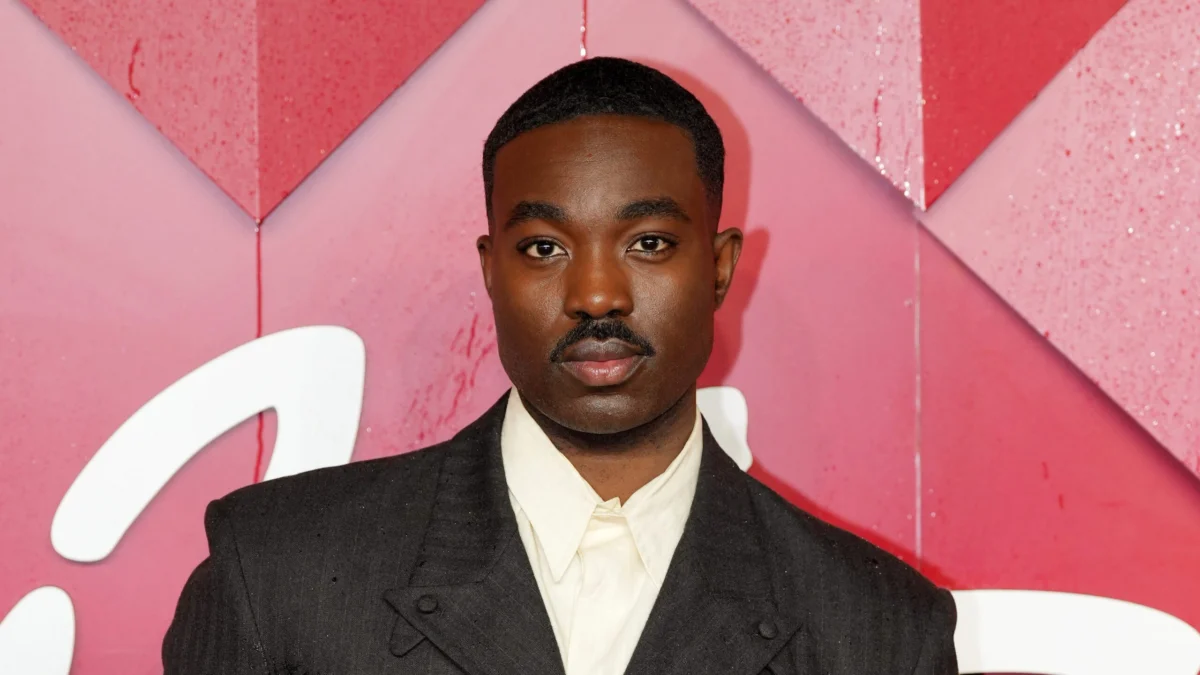
Actor Paapa Essiedu, recently confirmed to portray the iconic character Severus Snape in HBO’s highly anticipated Harry Potter television series, has publicly disclosed that he has been subjected to racist death threats following the announcement of his casting. The Emmy nominee’s revelation underscores the intense scrutiny and often toxic environment surrounding the adaptation of beloved literary franchises, particularly when casting decisions introduce greater diversity.
Backlash Over Iconic Snape Casting
Essiedu shared details of the alarming harassment in a profile published Saturday by The Times. He recounted receiving direct threats, stating, "I’ve been told, ‘Quit or I’ll murder you.’" The actor explained that the backlash intensified after his casting was officially announced in April 2025, with much of the vitriol directed at him for being a Black actor stepping into a role traditionally depicted as white and famously originated by the late Alan Rickman.
The emotional toll of such threats is significant, as Essiedu acknowledged. "The reality is that if I look at Instagram I will see somebody saying, ‘I’m going to come to your house and kill you.’ So while I’m pretty sure I’m not going to be murdered… That could age badly! But, yes, while I hope I’ll be OK, nobody should have to encounter this for doing their job," he stated. He contrasted his situation with those in more dangerous professions, noting, "Many people put their lives on the line in their work. I’m playing a wizard in Harry Potter. And I’d be lying if I said it doesn’t affect me emotionally."
The New Harry Potter Series: A High-Stakes Adaptation
The upcoming HBO Harry Potter television series represents a significant undertaking, aiming to adapt each of J.K. Rowling’s seven novels into a separate season, totaling eight installments. This ambitious plan seeks to offer a more comprehensive and faithful rendition of the source material than the previous film series. Production for the show commenced in July last year at Warner Bros. Studios Leavesden in the U.K., marking the beginning of a long-term commitment to the wizarding world.
Essiedu’s casting as Severus Snape is part of a broader ensemble that includes Dominic McLaughlin as the titular Harry Potter, Alastair Stout as Ron Weasley, and Arabella Stanton as Hermione Granger. Other notable cast members announced are John Lithgow as Albus Dumbledore, Janet McTeer as Minerva McGonagall, Nick Frost as Rubeus Hagrid, and Lox Pratt as Draco Malfoy. The project carries immense expectations from a global fanbase, making any casting decision, particularly for a character as pivotal as Snape, a subject of intense public debate.
Snape’s Enduring Legacy and Rickman’s Shadow
Severus Snape stands as one of the most complex and beloved characters in the Harry Potter saga. His journey from seemingly villainous Potions Master to tragic hero, driven by an unwavering, secret love, captivated millions. Alan Rickman’s portrayal of Snape in the original film series, which began with 2001’s Harry Potter and the Sorcerer’s Stone, is widely considered iconic. Rickman brought a distinctive gravitas, wit, and vulnerability to the role across all eight films, cementing Snape’s image in the collective consciousness. Any actor stepping into these shoes faces the daunting task of both honoring Rickman’s legacy and making the character their own, an challenge amplified by the intense emotional attachment fans have to the character.
Online Harassment and Fandom Toxicity in Modern Media
Essiedu’s experience is not isolated but indicative of a growing trend of online harassment and "fandom toxicity" that plagues major entertainment franchises. Actors cast in diverse roles within established universes, whether Star Wars, Marvel, Doctor Who, or The Lord of the Rings: The Rings of Power, frequently become targets of aggressive online campaigns, including racist and misogynistic abuse. This phenomenon highlights the darker side of passionate fan communities, where a vocal minority often feels entitled to dictate creative decisions and reacts hostilely to any perceived deviation from their expectations.
The actor’s comments about the omnipresent nature of online abuse resonate deeply within the industry. He noted that even consciously avoiding social media does not erase the problem. "Even if you successfully ignore it, it doesn’t mean it’s not happening," he explained, adding that "people see stuff and message to ask if I’m OK." This constant awareness of negativity, even if not directly consumed, contributes to a stressful environment for public figures, raising questions about the mental health toll on actors and the responsibility of social media platforms to curb such abuse.
Race, Representation, and Adaptation in Popular Culture
The controversy surrounding Paapa Essiedu’s Snape casting reignites broader discussions about race, representation, and adaptation in popular culture. For many, diverse casting in fantasy and genre fiction is a crucial step towards making these worlds more inclusive and reflective of global audiences. Proponents argue that a character’s race is often not central to their narrative function or personality, allowing for flexible interpretations that can inspire a wider range of viewers. Essiedu himself touched upon this, expressing his desire to represent children "like me."
Conversely, some fans argue for strict adherence to the physical descriptions of characters in the source material, viewing any deviation as a betrayal of the original work. This tension often creates a difficult landscape for creators, who must balance fidelity to source material with contemporary cultural values and the desire to build a more inclusive media landscape. Essiedu’s casting, therefore, becomes a flashpoint in this ongoing cultural debate, demonstrating the high stakes involved in reimagining beloved stories for new generations.
Essiedu’s Resolute Stance Amidst Threats
Despite the severity of the threats and the emotional impact, Essiedu has expressed a profound sense of resolve. He declared that "the abuse fuels me" and "makes me more passionate about making this character my own, because I think of how I felt as a kid." This defiant stance is rooted in a personal connection to the Harry Potter universe. Essiedu recalled, "I would imagine myself at Hogwarts on broomsticks, and the idea that a kid like me can see themselves represented in that world? That’s motivation to not be intimidated by someone saying they’d rather I died instead of doing work I’m going to be really proud of."
His determination to create a Snape that resonates with a diverse audience speaks to the power of representation in media. For many, seeing themselves reflected in fantastical worlds can be profoundly affirming and inspiring. Essiedu’s commitment to this principle highlights the artistic and social importance of his role beyond merely portraying a character.
Industry Implications and the Road Ahead
The incident involving Paapa Essiedu presents a significant challenge for HBO and Warner Bros. Discovery as they navigate the production of their flagship Harry Potter series. Studios are increasingly grappling with how to protect their talent from online abuse and foster a supportive environment for diverse casting choices. While public statements of support are often issued, concrete measures to combat online harassment remain a complex issue.
The controversy may also shape public perception of the new series, placing additional scrutiny on its creative direction and its approach to inclusivity. As production continues at Warner Bros. Studios Leavesden, the cast and crew will likely remain under intense observation from fans worldwide. Essiedu’s courage in speaking out, however, also serves as a powerful reminder of the human element behind these major productions and the ongoing struggle for respectful discourse in the digital age. His resolve to deliver a performance he is proud of, in the face of such adversity, sets a tone of resilience for the highly anticipated adaptation.