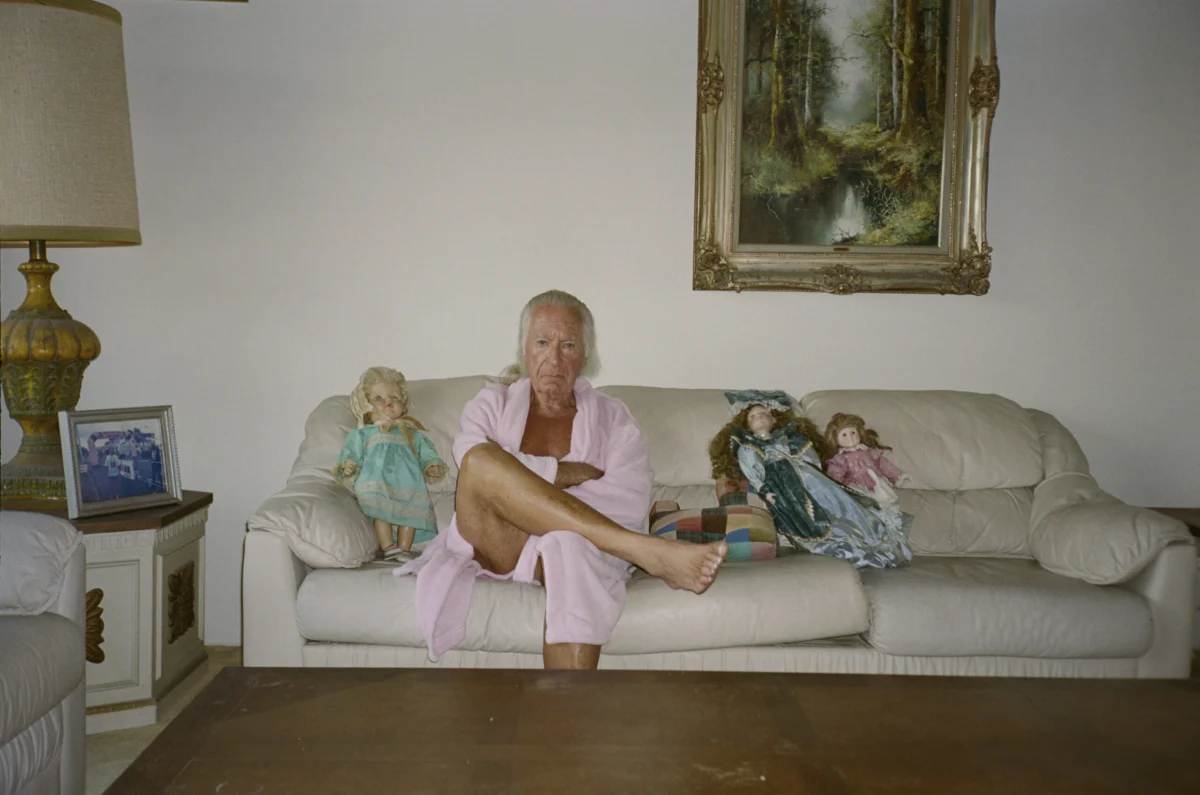
A 72-year-old San Diego man, once ostracized for his unconventional attire, has transformed into an unlikely television star, culminating in a Hollywood finale event for the acclaimed HBO/A24 documentary series Neighbors. Danny Smiechowski, who spent decades enduring "emotional abuse" from his community for exercising in nothing but yellow briefs, found unexpected fame and a profound sense of liberation through the series, which documented his journey from a contentious home environment to a welcoming nudist community in Florida and back.
For years, Smiechowski was a familiar but contentious figure in his San Diego neighborhood. His routine of outdoor exercise, performed in minimal clothing, drew scorn and insults from his neighbors, leaving him feeling isolated and misunderstood. This persistent social friction formed the backdrop for his surprising entry into the world of reality television, a path he embraced with the hope of sharing his story and challenging societal perceptions. The series Neighbors captured this deep-seated tension, providing a national platform for Smiechowski’s unique plight and eventual triumph.
The Genesis of a Star: From Craigslist to HBO
Smiechowski’s unexpected foray into stardom began with a simple Craigslist advertisement. Several years prior, casting director Harleigh Shaw posted a call for individuals embroiled in local community disputes, a concept that immediately resonated with Smiechowski. He saw an opportunity to finally articulate the "emotional abuse" he felt he had suffered. Despite an initial conversation, a long period of silence followed, leading Smiechowski to block contact numbers associated with the project out of frustration. However, producer Rachel Walden eventually reconnected, bringing him into the fold as production for Neighbors ramped up.
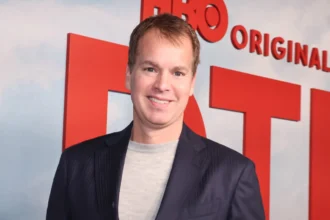
The creators of Neighbors, Harrison Fishman and Dylan Redford, conceived the series as a late-night documentary exploring the intense, often chaotic, disputes within American communities. Their immersive and raw filmmaking style, reminiscent of executive producers Josh Safdie, Ronald Bronstein, and Eli Bush (known for their work on films like Marty Supreme), offered a gritty, unvarnished look at human interaction. Smiechowski’s story, with its blend of personal struggle and community conflict, proved a perfect fit for the series’ ethos.
Finding a Nudist Haven: A Journey to Eden

The pivotal development in Smiechowski’s narrative arc involved a daring proposition from the show’s creators: a temporary relocation to a nudist community. Fishman revealed that the production team had encountered several intriguing disputes within nudist enclaves, sparking the idea of exploring such a setting for Smiechowski. Redford added that Smiechowski had previously considered moving, making the "natural experiment" of immersing him in a nudist environment a compelling narrative choice that he eagerly embraced.
Smiechowski’s time in the Florida nudist community, aptly named Eden, proved transformative. The cameras documented his initial trepidation, quickly replaced by a profound sense of liberation and acceptance. He encountered a welcoming group of individuals who shared his comfort with nudity, leading to moments of uninhibited joy, including a memorable karaoke performance. During this period, Smiechowski also developed an interest in a much younger woman, adding a layer of personal vulnerability to his on-screen journey. Despite these newfound connections and freedoms, Smiechowski ultimately made the decision to return to San Diego, concluding that "home is home, for better or worse"—a poignant reflection on belonging that underscored the series’ broader themes.
The Iron Man Mentality: A Unique Constitution
Smiechowski approached the documentary production with remarkable dedication, likening his commitment to an "Iron Man" mentality. He recounted repeating actions "literally 20 times until I got it right," driven by a desire for authenticity and impact. This steadfastness, he believes, stems from a unique personal constitution. He shared an anecdote about a San Diego hypnotist, Dr. Michael Dean, who reportedly failed to hypnotize him despite successfully influencing others in the room. This personal narrative reinforced Smiechowski’s perception of himself as an individual of unyielding will and self-possession.
The series provided a stark contrast between his previous life and his new experiences. In San Diego, cameras captured locals openly criticizing his minimal attire, a reaction that baffled him. "I do it to be happy, I do it because I feel good inside — I feel younger," Smiechowski explained, expressing his disbelief at the judgment he faced. He recognized the irony of his situation: "for the people who were abusing me… this is almost impossible for them to believe." Upon his return, Smiechowski reported a significant improvement in his home life, noting that his situation was "about 90% better," indicating a shift, if not in acceptance, then at least in the intensity of his neighbors’ hostility.
Revenge and Recognition: The Shifting Sands of Social Acceptance
Smiechowski’s newfound celebrity status has profoundly altered his social landscape. "The best revenge is success," he declared, acknowledging the irony of his former tormentors now witnessing his ascent. He recounted an encounter with a French neighbor who had previously been "horrible" to him during a mayoral campaign, betraying him financially and calling him a "crook." This same individual recently called, leaving a message: "Wow, congratulations. Can I go to LA with you?" Smiechowski’s retelling of this anecdote, shared with Neighbors creators Fishman and Redford, highlighted the dramatic shift in perception—from local outcast to someone suddenly worthy of association.

This transformation also offered a powerful commentary on the nature of social acceptance and the influence of media. Smiechowski, once an object of ridicule, now commands a level of respect, albeit one seemingly tied to his visibility on a major television platform. His neighbors, who once openly condemned him, now either ignore him or seek to capitalize on his fame, demonstrating the fluid and often transactional nature of social dynamics.
Anticipating Public Reaction and Embracing Authenticity
Despite the positive shifts, Smiechowski remains pragmatic about broader public reaction. He has begun taking drama classes, preparing himself for potential criticism. "People are going to call me a freak, but they don’t understand," he admitted, recounting his drama teacher’s sympathy regarding potential "abuse." Smiechowski, however, remains unfazed: "Water off the duck’s back. Just forget about it." This resilience struck Fishman, who observed, "It’s rare to find somebody who is so truly themself. You’re, like, aggressively yourself."
The creators themselves gained new insights into nudist communities through Smiechowski’s experience. Redford noted that these communities often "functioned much at a much higher and more forgiving level than many of the neighborhoods that we had been to throughout the country." He emphasized that residents in nudist communities were deeply invested in their harmony, actively striving to resolve conflicts to preserve their cherished way of life. Fishman echoed this sentiment, remarking on the palpable happiness he witnessed there.
Beyond the Finale: The Future of Neighbors
While Smiechowski believes only a "minority" will truly embrace the message of liberation and acceptance, he remains steadfast in his identity. When asked if he still considers himself part of the nudist community while living outside it, he offered an "existential question" in response, stating, "My behavior, where I live, is somewhat related to that community." This nuanced perspective underscores his enduring connection to the principles he discovered in Eden.
Neighbors has officially been renewed for a second season, a testament to its unique storytelling and critical reception. While Smiechowski’s journey reached a resolution in the finale, with him finding a relative peace in his San Diego neighborhood, the creators are enthusiastic about exploring new narratives. Fishman expressed excitement about "so many subjects and places that we didn’t get to explore in season one." The series, he believes, is "painting this portrait of America," and each new story enriches that canvas, offering fresh perspectives on the complexities of community and the human condition. The first season of Neighbors is currently available for streaming on HBO Max, inviting viewers to delve into the captivating and often absurd disputes that define American neighborhoods.