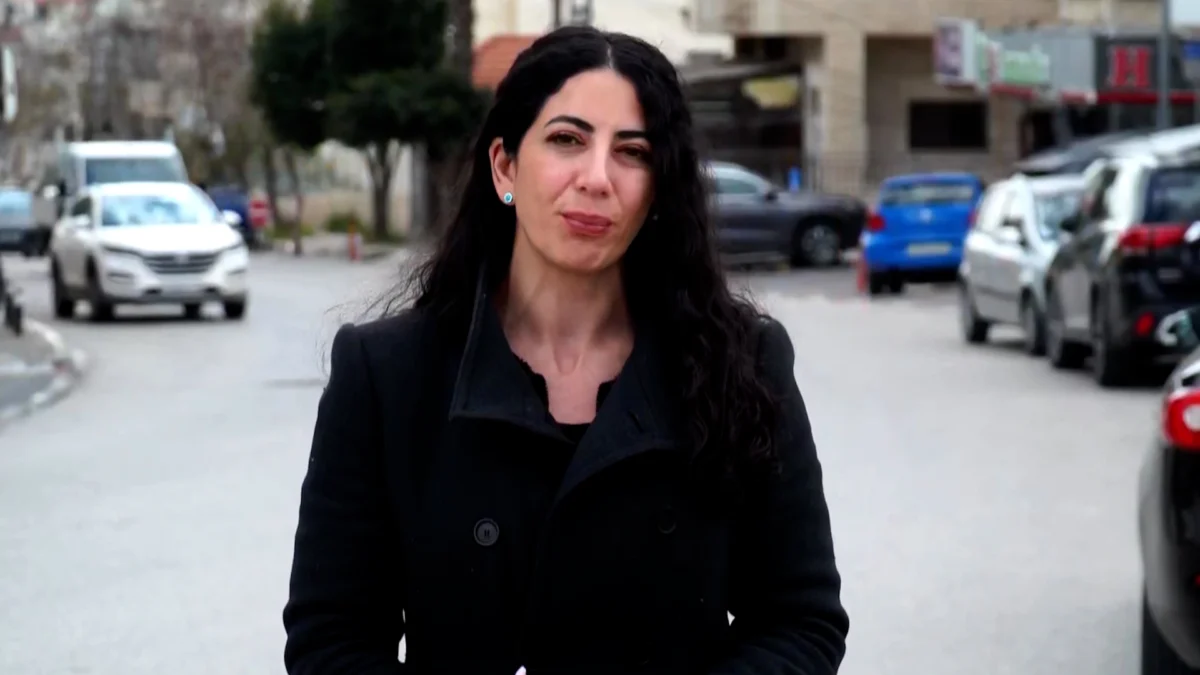
Israel is bracing for significant pushback against President Donald Trump’s recent diplomatic overtures toward Iran, with officials expressing deep-seated concerns over the potential implications of such a shift in strategy. The move towards de-escalation, while welcomed by some international observers, has triggered unease and skepticism within the Israeli leadership, which has long advocated for a more confrontational stance against Tehran. Al Jazeera’s Nida Ibrahim previously highlighted the reasons behind this apparent unhappiness among Israeli officials regarding the evolving developments.
The strategic landscape between Israel and Iran has been characterized by decades of tension and proxy conflicts, making any perceived shift in U.S. policy a matter of critical national security interest for Jerusalem. For years, Israel has viewed Iran’s nuclear program and its regional influence as existential threats, consistently urging Washington to maintain a firm line and apply maximum pressure. Trump’s administration, for a significant period, aligned with this perspective, withdrawing from the Iran nuclear deal and reimposing stringent sanctions.
This latest apparent pivot towards de-escalation, therefore, represents a departure from the established policy and has caught many in Israel by surprise. The Israeli government’s primary apprehension stems from the belief that any form of appeasement or relaxation of pressure could embolden Iran and its proxies, potentially leading to increased regional instability. Officials in Jerusalem fear that a perceived U.S. withdrawal from a hardline stance could create a vacuum that Iran might exploit to further its agenda in the Middle East.
Historical Context of Israeli-Iranian Tensions
The animosity between Israel and Iran predates the Islamic Revolution of 1979, but it intensified dramatically in the subsequent decades. Following the revolution, Iran’s new leadership declared its unwavering support for the Palestinian cause and its opposition to Israel’s existence, transforming a formerly pragmatic relationship into one of deep ideological conflict. This shift was punctuated by Iran’s support for various militant groups operating in the region, many of which are directly opposed to Israel, such as Hezbollah in Lebanon and Hamas in the Gaza Strip.
Israel’s security doctrine has been heavily shaped by this ongoing confrontation. The Israeli Defense Forces (IDF) have consistently identified Iran as its primary long-term threat, citing its ballistic missile program, its efforts to establish military bases in Syria, and its pursuit of nuclear weapons capability. The perceived Iranian threat has driven substantial Israeli military spending and strategic planning, including extensive intelligence gathering and a proactive approach to countering Iranian influence.
The United States has historically been Israel’s most crucial strategic ally, providing significant military and diplomatic support. The alignment of U.S. policy with Israeli security concerns has been a cornerstone of the bilateral relationship. Therefore, any divergence from this established path, particularly concerning a threat as central to Israeli security as Iran, is viewed with extreme gravity in Jerusalem.
Trump’s Shifting Iran Policy: A Timeline of De-escalation Efforts
President Trump’s approach to Iran has been marked by a notable evolution. Initially, his administration adopted a policy of “maximum pressure,” withdrawing the U.S. from the Joint Comprehensive Plan of Action (JCPOA) in May 2018 and reimposing severe economic sanctions. This move was largely applauded by Israeli leaders, who had vehemently opposed the deal, arguing it did not sufficiently curb Iran’s nuclear ambitions or its regional destabilization activities.
Following the JCPOA withdrawal, U.S.-Iran tensions escalated significantly. Incidents such as attacks on oil tankers in the Persian Gulf, the downing of a U.S. drone, and Iran’s retaliatory missile strikes on U.S. bases in Iraq after the assassination of Qassem Soleimani brought the two nations to the brink of direct conflict. Throughout this period, Israel largely supported the U.S. administration’s firm stance, viewing it as a necessary deterrent.
However, in the later stages of Trump’s presidency, there appeared to be a subtle shift towards seeking diplomatic solutions and de-escalation. This became more pronounced as the administration explored avenues for direct talks with Iranian officials, a prospect that had been largely dismissed in the preceding years. While the specifics of these later diplomatic overtures were not always publicly detailed, the underlying intent suggested a move away from pure confrontation towards potential negotiation. This shift, however, was met with apprehension in Israel, which feared that such engagement could be interpreted by Iran as a sign of weakness or a willingness to concede on critical security issues.
Israeli Apprehensions: Nuclear Ambitions and Regional Proxy Warfare
The core of Israel’s unease lies in its assessment of Iran’s nuclear program and its extensive network of regional proxies. Israeli intelligence agencies have consistently warned that Iran is actively pursuing the capability to develop nuclear weapons, despite international agreements and sanctions. They argue that any U.S.-led de-escalation efforts that do not directly address or dismantle Iran’s nuclear infrastructure could leave Israel vulnerable to a future nuclear threat.
Furthermore, Israel views Iran’s support for groups like Hezbollah and Hamas as a direct threat to its security and stability. These groups have been responsible for numerous attacks against Israel, and their military capabilities, often bolstered by Iranian funding and weaponry, are a constant concern. Israeli officials fear that any de-escalation in U.S.-Iran relations might indirectly strengthen these proxy organizations, enabling them to pose a greater threat to Israel and its citizens.
The Israeli government has repeatedly emphasized that the path to genuine regional peace and stability requires Iran to cease its destabilizing activities, including its nuclear program and its support for terrorism. Therefore, any U.S. initiative that appears to soften the stance against Iran without concrete concessions from Tehran is seen as a potential setback for Israeli security interests. The perception is that de-escalation without addressing these fundamental issues could allow Iran to advance its strategic objectives unchecked.
Analysis of the U.S. Policy Shift and Israeli Counter-Strategy
The U.S. administration’s potential move towards de-escalation with Iran, from Israel’s perspective, represents a strategic gamble with potentially severe consequences. Analysts suggest that Israel believes that a strong, unified front with the United States is the most effective way to counter Iran’s regional ambitions. A perceived weakening of this front, or a divergence in approach, could embolden Iran and its proxies, creating a more volatile environment.
Israel’s counter-strategy has historically involved a combination of robust defense capabilities, intelligence superiority, and a proactive diplomatic engagement with key international partners, particularly the United States. The Israeli government has invested heavily in advanced military technology and has maintained a constant state of readiness to defend its borders and interests. This includes developing missile defense systems and conducting covert operations to disrupt Iranian activities.
The apparent unhappiness in Israel regarding Trump’s de-escalation strategy suggests a deep-seated belief that such a diplomatic approach, without stringent preconditions for Iran, could undermine years of concerted efforts to contain Tehran’s influence. Israeli strategists likely fear that a less confrontational U.S. policy might signal a reduced commitment to Israel’s security concerns, forcing Jerusalem to shoulder a greater burden in confronting the Iranian threat independently. This could lead to a more assertive and potentially unilateral Israeli approach to regional security.
Public Impact and Broader Geopolitical Implications
The implications of the U.S. de-escalation strategy with Iran extend far beyond the bilateral relationship between Washington and Tehran, significantly impacting the broader geopolitical landscape of the Middle East. For the Israeli public, the news of a potential thaw in U.S.-Iran relations often evokes a sense of anxiety, given the pervasive nature of the perceived Iranian threat. Security concerns are deeply ingrained in the national consciousness, and any perceived shift in U.S. policy that might weaken the containment of Iran is likely to be met with public apprehension.
The Israeli government’s response is therefore not only a reflection of its strategic calculations but also a measure to reassure its citizens and maintain public confidence in its ability to ensure national security. The rhetoric employed by Israeli officials often aims to underscore the ongoing dangers posed by Iran, thereby justifying continued vigilance and a strong defense posture.
On a regional level, a U.S. de-escalation with Iran could alter the delicate balance of power. Countries that have historically aligned with Israel and the U.S. in confronting Iran, such as Saudi Arabia and the United Arab Emirates, might also reassess their own strategies. This could lead to shifts in regional alliances and a more unpredictable security environment, potentially increasing the risk of localized conflicts or a renewed arms race. The broader implication is that any significant change in the U.S.-Iran dynamic reverberates across the entire region, affecting the interests and security calculations of numerous state and non-state actors.
Reactions and Consequences: Israel’s Stance Amidst Shifting Diplomacy
In the wake of President Trump’s reported moves towards de-escalation with Iran, Israel’s reaction has been characterized by a clear and consistent message of caution and skepticism. Israeli leaders have not shied away from publicly expressing their reservations, emphasizing their unwavering commitment to confronting what they perceive as Iran’s persistent threats to regional stability and Israel’s security.
This stance reflects a deeply ingrained strategic philosophy within Jerusalem, which has consistently advocated for a robust international effort to curb Iran’s nuclear ambitions and its regional proxy activities. The Israeli government’s messaging has focused on the need for concrete actions from Tehran, rather than diplomatic overtures, to demonstrate a genuine commitment to de-escalation. This includes demands for Iran to cease its uranium enrichment activities, halt its ballistic missile program, and withdraw its forces and proxies from neighboring countries.
The potential consequences of this divergence in approach between the U.S. and Israel are multifaceted. Israel might find itself compelled to adopt a more independent and assertive posture in countering Iranian influence, potentially leading to a greater reliance on its own military capabilities and intelligence operations. This could involve increased pressure on Iran through covert actions or more direct deterrence measures.
Furthermore, Israel may intensify its diplomatic efforts to rally international support for its concerns, seeking to persuade other nations to maintain a firm stance against Iran. This could involve leveraging its relationships with key European allies and other regional partners to ensure that Iran’s problematic behavior is not overlooked or appeased. The ultimate outcome will depend on the sustained engagement and coordination between Israel and its allies, as well as Iran’s own strategic choices in response to the evolving international dynamics.
The ongoing diplomatic maneuvers surrounding Iran present a complex challenge for Israeli policymakers, demanding a delicate balance between maintaining a strong defense posture and navigating the shifting currents of international diplomacy. The commitment to ensuring the security of the Israeli populace remains paramount, guiding Jerusalem’s reactions and strategic planning in the face of these evolving regional dynamics.