The groundbreaking Mexican Rodeo Film ‘Jaripeo’ is challenging traditional notions of masculinity and desire, exploring the nuanced interplay of hypermasculine rituals and underlying queer longings within the vibrant, often intense, world of Mexican rodeo. Following its acclaimed world premiere at the Sundance Film Festival, the documentary is now captivating audiences at the 23rd edition of the Copenhagen International Documentary Film Festival (CPH:DOX), sparking important conversations about identity, performance, and cultural expression.
Unpacking the Jaripeo Tradition
Jaripeo, a form of bull riding deeply ingrained in Mexican culture, is traditionally a spectacle of strength, bravery, and overt machismo. It is characterized by the iconic imagery of cowboys in hats and jeans, the adrenaline of bull riding, and a celebratory atmosphere often fueled by alcohol. For generations, these events have served as powerful affirmations of traditional male identity, where courage and stoicism are paramount. The very fabric of jaripeo appears to be antithetical to expressions of queerness, making the film’s premise a bold and revelatory exploration of what lies beneath the surface.
Directors Efraín Mojica and Rebecca Zweig delve into this seemingly impenetrable world, crafting a cinematic experience that juxtaposes raw documentary footage with highly stylized sequences. Their approach creates a compelling narrative where the overt declarations of machismo subtly converge with the whispered presence of queer identity, revealing a hidden tapestry of human experience that defies easy categorization. The film seeks not to dismantle the tradition but to reveal a dimension of it that has long been unacknowledged.
From Sundance Acclaim to European Festival Circuit
The journey of Jaripeo began with significant industry buzz, culminating in its world premiere at the prestigious Sundance Film Festival. This debut immediately positioned the film as a crucial voice in contemporary documentary cinema, particularly for its innovative storytelling and its courage in tackling sensitive cultural themes. Sundance’s reputation for championing independent and thought-provoking works provided the ideal platform for Jaripeo to introduce its unique perspective to a global audience.
Its subsequent inclusion in the CPH:DOX lineup further solidifies the film’s international appeal and critical reception. CPH:DOX, known for its focus on experimental and socially relevant documentaries, offers a European platform for Jaripeo to continue its dialogue with diverse audiences. This festival run underscores the universal resonance of the film’s themes, transcending geographical and cultural boundaries to address fundamental questions about identity and societal norms.
Crafting the Visual Language of Hidden Desire
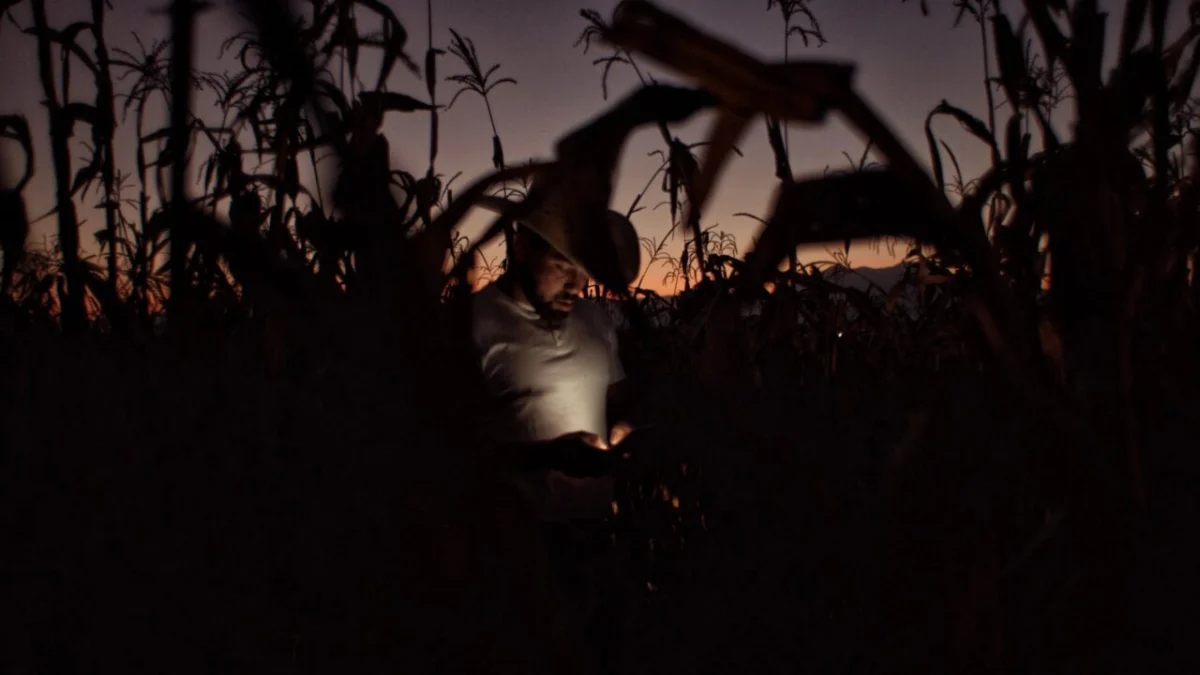
Co-directors Mojica and Zweig employed a multifaceted visual strategy to bring the film’s complex themes to life. Their methodology seamlessly blends cinema vérité — a style emphasizing naturalism and a sense of unmediated reality — with vintage Super 8 footage and elaborately stylized scenes. This deliberate mix creates a dynamic visual cocktail, allowing for both intimate, observational moments and more abstract, dreamlike sequences that articulate the film’s core ideas.
During a post-screening discussion in Copenhagen, Mojica shed light on the artistic choices, particularly the use of Super 8. “I’ve always loved film and its texture,” Mojica explained, noting the spontaneous acquisition of a Super 8 camera online for a mere $20. This humble tool became a powerful "magnifying glass" for the queer eye, constantly in hand to capture the subtle nuances of the rodeo environment. Mojica emphasized that the film doesn’t depict a "queer rodeo" but rather a "very traditional macho rodeo," with the camera’s function being to expose the "coded language that exists, and all the gay [stuff] that’s happening."
Visualizing the Queer Subconscious
The stylized, almost music video-esque, sequences in Jaripeo serve a critical purpose in portraying the "queer subconscious." Mojica explained that these artistic departures from traditional documentary realism were essential for externalizing internal desires and unspoken realities. This creative decision allows the film to move beyond mere observation, venturing into the psychological landscape of its subjects and the broader cultural psyche.
Zweig elaborated on how these visuals effectively convey the film’s dual purpose: "a celebration of queerness in this film, but also a lot of hidden desire." She highlighted that these expressions are often found "on the margins of this very straight place," underscoring the subtle resistance and resilience of queer individuals within a heteronormative environment. The filmmakers’ overarching goal was to "embody this experience, these emotions, without doing it in an exploitative way, but doing it in a way where people felt empowered by the scene."
The Creative Team Behind the Vision
The ambitious visual and auditory tapestry of Jaripeo is the result of a collaborative effort by a dedicated creative team. Cinematography was meticulously handled by Josué Eber Morales and Gerardo Guerra, who skillfully captured both the raw energy of the rodeo and the intimate moments of introspection. Analía Goethals was responsible for the film’s editing, weaving together disparate elements into a cohesive and emotionally resonant narrative.
The immersive sound design was crafted by Maria Rojas, enhancing the sensory experience of the rodeo while also giving voice to the film’s more introspective moments. The musical score, a crucial component in conveying the film’s emotional depth and stylistic shifts, was composed by Emilia Ezeta and Marton Radics. Sarah Strunin served as the film’s producer, overseeing the extensive four-year production process that brought this complex vision to fruition.
Navigating Personal Narratives and Future Explorations
The journey of making Jaripeo also involved unexpected personal revelations for director Efraín Mojica. Mojica initially did not intend for their personal story to be interwoven into the film’s fabric. "I really didn’t want to be in the film at first," Mojica confessed, but the four-year process of creation and reflection ultimately led to its inclusion. This personal layer adds another dimension of authenticity and vulnerability to the documentary, further connecting the audience to the film’s themes of self-discovery and hidden identity.
While Jaripeo primarily focuses on the male queer experience within the rodeo context, the directors were also questioned about a potential queer female perspective. Zweig acknowledged the presence of "all the lesbians in town" who were involved in shoots and appear in some footage. However, the team deliberately chose not to superficially incorporate their stories, recognizing the need for a deeper, more dedicated exploration. Zweig expressed a strong interest in "going back and going into their stories in a separate project," signaling a potential future endeavor to expand the narrative of queer identity within Mexican culture.
Broader Implications and Cultural Impact
The release of Jaripeo represents a significant moment for LGBTQ+ representation in cinema, particularly within the context of Latin American culture. By shining a light on the "queer subconscious" and "hidden desire" within a hypermasculine tradition, the film challenges long-held stereotypes and opens up space for more nuanced understandings of identity. It contributes to a growing body of work that deconstructs traditional masculinity and celebrates the diversity of human experience, even in seemingly rigid cultural settings.
The film’s impact extends beyond the screen, potentially sparking dialogue within conservative communities where such discussions are often suppressed. It serves as a testament to the power of documentary filmmaking to expose unseen realities, foster empathy, and encourage introspection about societal norms and personal truths. As Jaripeo continues its festival run and seeks wider distribution, it stands poised to leave a lasting mark on both the cinematic landscape and the ongoing global conversation about gender, sexuality, and cultural identity. The film’s commitment to authenticity and empowerment ensures its message will resonate deeply, inviting viewers to look closer at the hidden desires that breathe beneath the surface of everyday life.