The escalating tensions and potential for conflict with Iran present a significant and mounting financial burden on the United States, with daily operational costs for military engagement estimated to be in the hundreds of millions of dollars. This figure, derived from analyses of past conflicts and current defense spending, underscores the immense economic implications of any sustained military posture or direct confrontation in the region. Understanding these costs is crucial for policymakers and the public alike as geopolitical strategies are debated and resources are allocated.
The Price of Regional Security: Estimating the Daily Cost of Military Operations Against Iran
Estimating the precise daily cost of military operations involving Iran is a complex undertaking, drawing upon data from previous conflicts such as those in Iraq and Afghanistan, alongside current defense budgets and deployment specifics. While exact figures are proprietary and can fluctuate based on the intensity and nature of operations, defense analysts and government reports offer a framework for understanding the scale of expenditure. These costs encompass a wide array of expenses, from personnel salaries and deployment stipends to the continuous expenditure of ammunition, fuel, and the maintenance of advanced military hardware.
The logistical footprint required to project and sustain military power in the Middle East is substantial. This includes the operational costs of naval fleets, air wings, and ground forces, as well as the deployment of sophisticated surveillance and intelligence-gathering assets. Furthermore, the continuous resupply of critical resources, including fuel for aircraft and vehicles, and munitions for all branches of the military, contributes significantly to the daily outlay. The readiness and upkeep of equipment, especially in harsh operational environments, also represent a considerable and ongoing expense.
Historical Precedents: Lessons from Past U.S. Military Engagements
To contextualize the potential costs of engaging with Iran, it is instructive to examine the financial ramifications of past U.S. military endeavors in the Middle East. The wars in Iraq and Afghanistan, for instance, incurred trillions of dollars over their respective durations, with daily operational expenditures reaching hundreds of millions of dollars during peak engagement periods. These figures highlight the profound economic commitment associated with prolonged military presence and combat operations in complex geopolitical landscapes.
The Iraq War, initiated in 2003, saw costs soar due to sustained ground operations, extensive air support, and the subsequent nation-building efforts. Similarly, the conflict in Afghanistan, which lasted two decades, involved significant spending on troop deployments, counterinsurgency operations, and reconstruction projects. These historical precedents provide a stark reminder of the financial scale that U.S. military involvement, particularly in regions as strategically sensitive as the Middle East, can entail. They serve as crucial benchmarks when assessing the potential economic impact of any future military actions concerning Iran.
Personnel and Deployment Costs
A significant portion of the daily war cost is directly attributable to personnel. This includes the salaries of hundreds of thousands of service members deployed in or around the region, special hazard pay for those in combat zones, and the extensive healthcare and long-term support systems required for military personnel and their families. The logistical challenge of supporting these personnel, from providing food and shelter to ensuring medical readiness, adds another layer of expenditure.
Ammunition and Materiel Expenditure
The operational tempo of any conflict directly dictates the rate at which ammunition and materiel are consumed. High-intensity combat operations, including airstrikes, artillery barrages, and ground engagements, deplete stocks of missiles, bombs, artillery shells, and small arms ammunition at an accelerated pace. Replacing these expenditures, often with technologically advanced and expensive weaponry, represents a substantial daily cost.
Fuel and Energy Consumption
Modern military operations are heavily reliant on fuel. Aircraft, naval vessels, armored vehicles, and even generators for forward operating bases consume vast quantities of petroleum products. The continuous refueling and resupply operations, often conducted under challenging conditions, are a critical and costly component of daily military expenses in a theater of operations.
Equipment Maintenance and Replacement
Operating sophisticated military hardware in demanding environments like the Middle East leads to wear and tear. The constant need for maintenance, repair, and eventual replacement of aircraft, vehicles, ships, and other critical equipment adds another significant layer to the daily cost of military engagement. This includes spare parts, specialized technicians, and the logistical infrastructure to support these maintenance efforts.
The Strategic Context: Iran’s Role and U.S. Interests in the Region
Iran occupies a pivotal position in the Middle East, influencing regional stability through its geopolitical alliances, military capabilities, and economic policies. U.S. interests in the region are multifaceted, encompassing the security of vital energy supplies, the protection of key allies such as Israel and Saudi Arabia, and the broader objective of counterterrorism and preventing the proliferation of weapons of mass destruction. Any military engagement with Iran would be deeply intertwined with these strategic considerations.
The potential for conflict is often framed by Iran’s nuclear program, its ballistic missile development, and its support for various proxy groups across the region. These factors contribute to a complex security environment where the U.S. maintains a significant military presence and engages in various forms of deterrence and containment. The daily costs associated with this posture, even in the absence of direct warfare, are substantial, reflecting the ongoing commitment to regional security.
Nuclear Program and Non-Proliferation Efforts
Iran’s pursuit of nuclear capabilities has been a persistent concern for the international community and a primary driver of U.S. policy in the region. The costs associated with monitoring, intelligence gathering, and diplomatic and potential military efforts to prevent Iran from acquiring nuclear weapons are considerable. This includes the operational expenses of surveillance aircraft, naval patrols, and intelligence assets dedicated to this objective.
Regional Proxy Networks and Influence
Iran’s network of allied groups and proxies, including Hezbollah in Lebanon, various militias in Iraq, and the Houthis in Yemen, significantly impacts regional security dynamics. The U.S. strategy often involves counteracting the influence and activities of these groups, which in turn incurs costs related to intelligence, special operations, and sometimes direct military support to regional partners.
Freedom of Navigation and Maritime Security
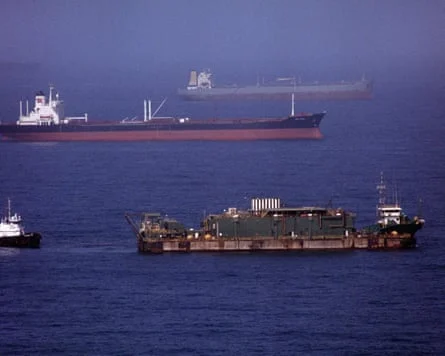
Ensuring the free flow of global commerce through critical waterways like the Strait of Hormuz is a paramount U.S. interest. Iran’s historical ability to threaten maritime traffic in this vital chokepoint necessitates a robust U.S. naval presence and associated operational costs. These maritime security operations, including patrols and escort missions, contribute to the daily financial calculus of U.S. military engagement in the region.
Economic Ramifications Beyond Direct Military Spending
The financial implications of a conflict with Iran extend far beyond the direct costs of military operations. Such a conflict would inevitably trigger significant disruptions to global energy markets, leading to increased oil prices and broader inflationary pressures that would impact the U.S. economy and consumers directly. The volatility in oil prices could destabilize economies worldwide, affecting supply chains and trade.
Furthermore, a protracted conflict could necessitate increased government borrowing, potentially exacerbating the national debt. The diversion of resources towards military expenditure also means less funding available for domestic priorities such as infrastructure, education, and healthcare. The long-term economic consequences, including the potential for reduced foreign investment and increased global economic uncertainty, are also significant considerations.
Global Energy Market Volatility
The Middle East is a critical hub for global oil production and distribution. Any military conflict involving Iran, a major oil producer, would likely lead to significant disruptions in supply, driving up global oil prices. This would translate into higher gasoline prices for American consumers and increased costs for businesses reliant on transportation and energy.
Impact on Global Trade and Supply Chains
Beyond energy, a conflict could disrupt vital shipping lanes, impacting the flow of goods and commodities worldwide. This could lead to shortages, increased shipping costs, and further inflationary pressures on a global scale, affecting various industries and consumer goods.
National Debt and Fiscal Priorities
Increased military spending during a conflict would likely be financed through government borrowing, adding to the national debt. This could necessitate difficult fiscal choices, potentially leading to cuts in domestic programs or tax increases in the future, impacting the long-term financial health of the nation.
Public and Political Discourse: The Cost-Benefit Analysis
The immense financial cost of military engagement with Iran inevitably fuels public and political debate. Policymakers face the challenge of balancing national security objectives with economic realities, necessitating a thorough cost-benefit analysis for any proposed course of action. Public opinion, shaped by economic concerns and the perceived value of military intervention, plays a crucial role in these deliberations.
The transparency and accountability surrounding military expenditures are also key elements of this discourse. Ensuring that taxpayer dollars are used efficiently and effectively, and that the rationale for such significant spending is clearly communicated, are essential for maintaining public trust and informed decision-making. The long-term implications for future generations, both in terms of financial burden and geopolitical stability, are central to these discussions.
Debates on Defense Spending and Resource Allocation
The substantial costs associated with potential military operations in Iran inevitably spark debates about the allocation of national resources. Critics often question whether such immense expenditures are justified when compared to pressing domestic needs, highlighting the ongoing tension between defense priorities and social investments.
Transparency and Accountability in Military Budgets
Ensuring transparency and accountability in defense spending is a persistent concern for lawmakers and the public. Understanding how taxpayer money is allocated for military operations, particularly in high-stakes geopolitical scenarios, is crucial for maintaining public trust and facilitating informed oversight of government expenditures.
The Long-Term Economic and Geopolitical Legacy
The decisions made today regarding military engagement in the Middle East carry profound long-term consequences. The financial burden incurred, the geopolitical alliances forged or strained, and the impact on global stability will shape the economic and security landscape for decades to come, necessitating careful consideration of the enduring legacy of these choices.