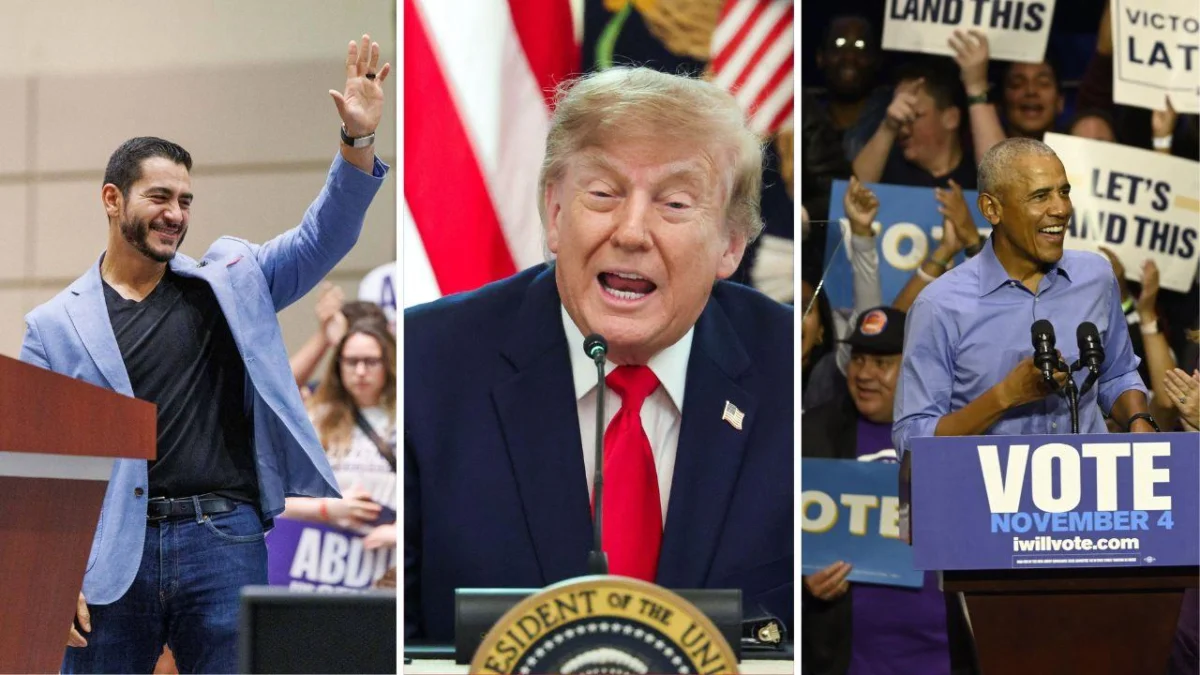
President Donald Trump indicated Friday that the United States is considering a "massive attack" on Iran, a stark warning that significantly escalates already heightened tensions in the Persian Gulf. The statement came as Iranian officials denounced any aggressive action, with Deputy Foreign Minister Abbas Araghchi asserting that "mindless aggression" would not pave the way for a diplomatic resolution. This exchange signals a perilous moment, with the potential for a wider conflict looming large over the region and international relations.
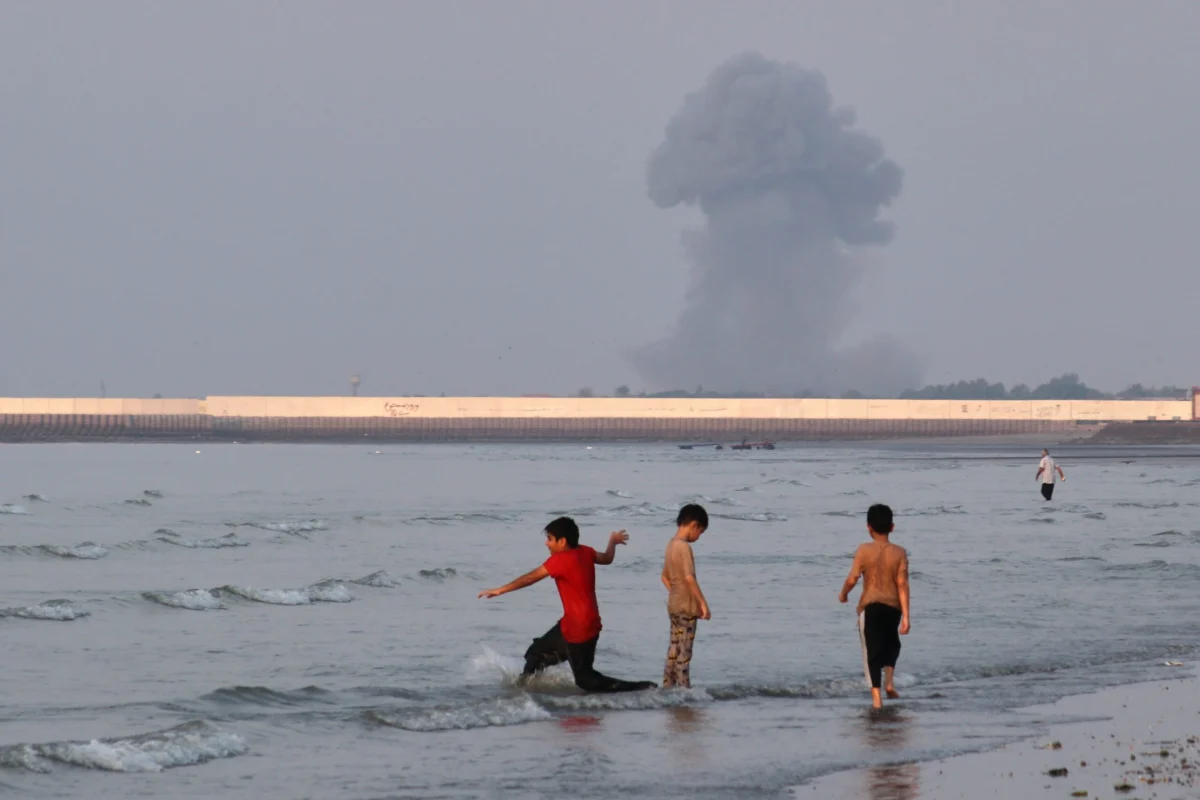
The volatile situation has been building for months, fueled by a series of incidents and increasingly bellicose rhetoric from both Washington and Tehran. The U.S. has accused Iran of a range of provocative actions, including alleged attacks on oil tankers and the downing of a U.S. drone. Iran, in turn, has pointed to what it describes as American "aggression" and a campaign of economic pressure through sanctions. The Strait of Hormuz, a vital chokepoint for global oil supplies, has become a focal point of these confrontations, with imagery from the area often depicting smoke plumes from incidents that underscore the fragility of regional security.
Escalation in the Strait of Hormuz: A Developing Crisis
The immediate backdrop to Trump’s latest remarks appears to be the ongoing fallout from recent naval incidents in the Strait of Hormuz. On Monday, July 13, 2026, reports emerged of an explosion off the coast of Bandar Abbas, Iran, captured in images showing children playing near the water as smoke billowed in the distance. While the exact nature and attribution of this event remain contested, it has served as a potent symbol of the volatile security environment. Such occurrences, whether deliberate acts or accidents, carry the immense risk of miscalculation and rapid escalation.
The strategic importance of the Strait of Hormuz cannot be overstated. Approximately 30% of the world’s seaborne oil trade passes through this narrow waterway, making any disruption a significant global economic concern. The presence of naval forces from multiple nations, coupled with the ongoing tensions between the U.S. and Iran, creates a tinderbox situation where a single spark could ignite a larger conflagration. International maritime organizations have repeatedly warned of the dangers to shipping in the region.
Trump’s "Massive Attack" Threat: Strategic Implications
President Trump’s use of the term "massive attack" suggests a potential shift towards a more aggressive military posture. This rhetoric, while not unprecedented from the current administration, carries significant weight given the context of escalating regional tensions. It signals a willingness to contemplate responses that go beyond targeted strikes, raising concerns about the potential for widespread destruction and a significant loss of life.
The implications of such an attack would be far-reaching. Militarily, it could involve a broad spectrum of capabilities, from missile strikes to aerial bombardments and potentially even naval operations. The objectives of such an attack would likely be aimed at degrading Iran’s military capabilities and signaling a strong resolve to deter further perceived provocations. However, the effectiveness and consequences of such actions are subjects of intense debate among military strategists and foreign policy experts.
Iran’s Response: Denouncing Aggression, Seeking De-escalation
Iran’s official response has been one of firm rejection of any hostile actions. Deputy Foreign Minister Araghchi’s statement that "mindless aggression" would not contribute to a diplomatic solution underscores Tehran’s position. The Iranian government has consistently argued that economic sanctions and military threats are counterproductive and hinder any prospects for dialogue or negotiation.
This diplomatic stance is consistent with Iran’s broader strategy of resisting perceived U.S. pressure while maintaining its regional influence. Tehran views the sanctions as an illegal form of economic warfare, designed to cripple its economy and force political concessions. From Iran’s perspective, any military action would be seen as a further act of aggression, justifying a robust defensive response.
Historical Context: A Long History of U.S.-Iran Friction
The current standoff is deeply rooted in decades of complex and often adversarial relations between the United States and Iran. The 1979 Iranian Revolution and the subsequent hostage crisis marked a significant turning point, ushering in an era of mutual distrust. Over the years, various administrations have employed different strategies, from diplomatic engagement to sanctions and military posturing, in an attempt to manage the relationship and address perceived threats.
The Joint Comprehensive Plan of Action (JCPOA), the nuclear deal negotiated in 2015, represented a significant diplomatic effort to curb Iran’s nuclear program. However, the U.S. withdrawal from the agreement in 2018 and the reimposition of stringent sanctions have dramatically altered the landscape, leading to increased tensions and a rollback of some of Iran’s nuclear commitments. This historical context is crucial for understanding the current crisis and the deep-seated animosities that continue to shape the dynamics between the two nations.
The Risk of Miscalculation: A Domino Effect
The primary danger in the current environment is the potential for miscalculation. In a region heavily militarized with significant naval and air presence, a minor incident could quickly spiral out of control. A misidentified target, an accidental engagement, or a misinterpreted maneuver could trigger a rapid and unintended escalation, drawing in regional allies and potentially wider international involvement.
The consequences of such a miscalculation would be catastrophic. A full-blown conflict in the Persian Gulf would not only devastate the region, leading to immense human suffering and displacement, but would also have profound global economic repercussions. Oil prices would skyrocket, global supply chains would be disrupted, and the international community would face a significant geopolitical crisis.
International Reactions and Diplomatic Efforts
The escalating rhetoric and military posturing have drawn concerned reactions from international powers. Many nations have called for restraint and urged both sides to pursue diplomatic channels to de-escalate the situation. The United Nations and various regional bodies have been attempting to mediate and facilitate dialogue, though progress has been slow amidst the heightened tensions.
European allies, in particular, have expressed deep concern about the potential for conflict, emphasizing the need for a de-escalation of rhetoric and a return to diplomatic engagement. They have been actively involved in efforts to preserve the JCPOA and find a pathway back to a negotiated settlement. However, the deep divisions and mutual distrust make such diplomatic efforts incredibly challenging.
Public Impact and Global Ramifications
Beyond the immediate geopolitical implications, the prospect of a "massive attack" on Iran carries significant implications for the global public. A conflict in the Strait of Hormuz would inevitably lead to disruptions in global energy markets, impacting prices at the pump for consumers worldwide. This economic shock could exacerbate existing inflationary pressures and slow down global economic growth.
Furthermore, a conflict of this magnitude could lead to a humanitarian crisis, with potential for large-scale displacement of populations and a devastating impact on civilian infrastructure. The broader geopolitical instability that would ensue could also fuel further regional conflicts and empower extremist groups. The world watches with bated breath, hoping for a diplomatic resolution to avert a catastrophic outcome.
Moving Forward: The Tightrope of Diplomacy and Deterrence
The coming days and weeks will be critical in determining the trajectory of this crisis. The U.S. administration faces the immense challenge of balancing its desire to deter perceived Iranian aggression with the imperative to avoid a full-scale war. Iran, for its part, must navigate the pressures of sanctions and threats while seeking to protect its national interests and maintain regional stability.
The path forward likely involves a complex interplay of deterrence and diplomacy. While military readiness is being emphasized, the potential for a negotiated settlement, however distant it may seem, remains the only viable long-term solution to prevent further conflict. The international community will continue to play a crucial role in urging restraint and supporting any genuine efforts towards de-escalation and dialogue. The future of regional security and global stability hangs in the balance as leaders on all sides grapple with the profound consequences of their decisions.