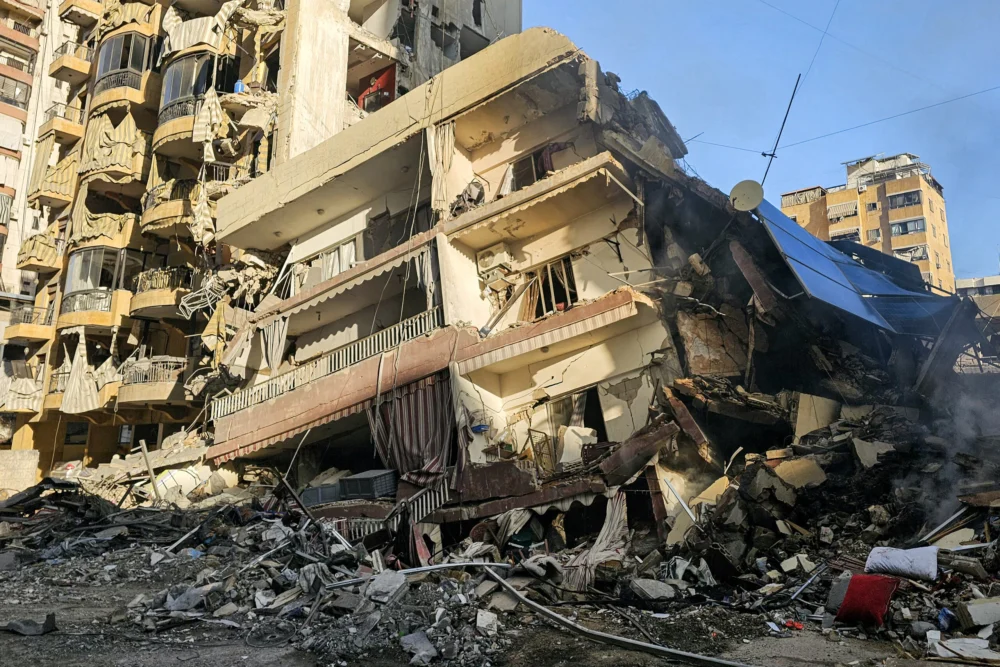
Ten days into the escalating conflict following targeted strikes by the United States and Israel, Iran has officially named Mojtaba Khamenei, son of the recently assassinated Supreme Leader Ayatollah Ali Khamenei, as his successor, a move that dramatically reshapes the geopolitical landscape of the Middle East. The ongoing hostilities, marked by continued Iranian retaliatory attacks on U.S. military assets and infrastructure across the Gulf, have sent shockwaves through global energy markets, with oil prices experiencing a significant surge.
The assassination of Ayatollah Ali Khamenei on February 28th by U.S.-Israeli forces marked a pivotal and devastating moment, triggering a rapid and volatile response. The swift naming of Mojtaba Khamenei, a figure long speculated to be a potential contender for leadership, injects a new, albeit familiar, dynamic into Iran’s internal power structure amid an intensifying external conflict. This succession, occurring under the duress of war, signals a determination by the Iranian regime to maintain continuity and assert its authority in the face of unprecedented aggression.
The Escalation of US-Israel Attacks on Iran
Since the initial strikes that claimed the life of Ayatollah Khamenei, U.S. and Israeli forces have maintained a sustained offensive against targets within Iran. While specific details of the daily operations remain tightly guarded, reports indicate a strategic focus on disrupting Iran’s military capabilities, nuclear program infrastructure, and leadership command centers. The stated objective from Washington and Tel Aviv has been to neutralize perceived threats and prevent further Iranian destabilization in the region.
These attacks, now in their tenth day, have not been without significant consequence for Iran. Beyond the loss of its supreme leader, the strikes have reportedly inflicted damage on key military installations and economic infrastructure, raising concerns about the long-term stability of the Iranian state and its capacity to respond effectively. The international community has largely condemned the assassination and subsequent escalation, though responses have varied widely, reflecting deep-seated geopolitical divisions.
Mojtaba Khamenei Ascends Amidst Crisis
The appointment of Mojtaba Khamenei as the new Supreme Leader is a development of profound significance. He inherits a nation at war, facing immense external pressure and internal uncertainty. His ascension, while perhaps predictable to some observers of Iranian politics, places a direct familial successor at the helm during a period of extreme vulnerability.
Mojtaba Khamenei has been involved in the country’s religious and political spheres for years, though his public profile has been less prominent than his father’s. His rise is expected to consolidate power within certain factions of the Iranian establishment, potentially leading to a more hardline or continuity-focused approach to both domestic policy and foreign relations. The international community will be closely watching his initial pronouncements and policy decisions for indications of his leadership style and strategic direction.
Iranian Retaliation Across the Gulf
In response to the sustained U.S.-Israeli attacks, Iran has engaged in a campaign of retaliatory strikes targeting U.S. military assets and allied infrastructure across several Gulf nations. Reports confirm ongoing attacks in Kuwait, Qatar, Saudi Arabia, and the United Arab Emirates, demonstrating Iran’s capacity to project power and inflict damage beyond its immediate borders.
These retaliatory actions, while not on the scale of the initial U.S.-Israeli strikes, serve as a potent signal of Iran’s resolve and its willingness to retaliate against perceived aggressors and their regional partners. The targeting of U.S. military bases and economic installations underscores the broader implications of the conflict, which threatens to engulf the entire region in a wider conflagration. The increased security presence and heightened alert levels in these Gulf states reflect the palpable tension and the immediate threat posed by these ongoing hostilities.
Global Economic Repercussions: Oil Prices Skyrocket
The intensification of the Iran war has had a dramatic and immediate impact on global energy markets. The price of Brent crude, the international benchmark for oil, has experienced a significant surge, exceeding the $100 per barrel mark and reaching a high of $119.50 before a slight pullback to $112.98 on Monday. This sustained elevation above the $100 threshold is a clear indicator of market panic and concern over potential supply disruptions.
The Persian Gulf region is a critical artery for global oil production and transit. Any significant disruption to the flow of oil from this region, whether through direct attacks on infrastructure, shipping lanes, or through geopolitical instability, can have severe consequences for global energy security and economic stability. The current price spike reflects a market anticipating further escalation and potential supply shortages, with significant implications for inflation, transportation costs, and industrial production worldwide.
Developments on Day 10 of the Iran War
As the conflict enters its second week, a clear picture of the evolving situation emerges across various theaters:
In Iran:
The primary focus remains on the internal consolidation of power following the assassination of Ayatollah Khamenei and the subsequent naming of Mojtaba Khamenei as his successor. Reports suggest heightened security measures across the country, with authorities attempting to project an image of control and stability. The extent of damage to Iran’s military and economic infrastructure from the U.S.-Israeli strikes is still being assessed, but it is understood to be substantial. Public sentiment within Iran is likely a mix of grief, anger, and anxiety, with information flow tightly controlled by the regime.
In Gulf Nations:
Kuwait, Qatar, Saudi Arabia, and the United Arab Emirates are grappling with the direct consequences of Iranian retaliatory attacks. U.S. military bases in these countries have been primary targets, leading to increased security protocols and a palpable sense of unease. The economic impact is also being felt, with concerns mounting about the security of critical energy export routes and the potential for further disruptions to trade and investment. Diplomatic efforts are reportedly underway to de-escalate tensions and prevent the conflict from spilling over further.
In Israel:
The Israeli government views the ongoing conflict as a direct response to what it perceives as existential threats emanating from Iran and its proxies. The successful assassination of Ayatollah Khamenei is seen as a significant strategic victory, aimed at disrupting Iran’s leadership and its regional ambitions. However, Israel is also on high alert for further retaliatory actions from Iran and its allies, particularly Hezbollah in Lebanon. The nation is bracing for potential missile attacks and other forms of aggression.
In the United States:
The U.S. military presence in the Gulf region is a key component of its strategic posture. The ongoing attacks on its assets underscore the risks associated with this involvement. Washington maintains that its actions are defensive and aimed at deterring Iranian aggression and protecting its allies. The U.S. is also engaged in extensive diplomatic efforts to rally international support and de-escalate the crisis, while simultaneously preparing for potential further military engagements.
In Lebanon and Cyprus:
Lebanon, home to the powerful Iran-backed Hezbollah militia, is a critical flashpoint. Hezbollah is expected to play a significant role in any further escalation of the conflict, potentially launching attacks against Israel from its northern border. Cyprus, due to its geographical proximity and historical ties, could also become a strategic consideration for either side, potentially serving as a staging ground or facing indirect consequences of the regional turmoil.
Broader Implications and Analysis
The current situation represents a significant escalation of a long-standing geopolitical rivalry, moving from proxy conflicts and covert operations to direct, high-profile strikes and assassinations. The succession of Mojtaba Khamenei amidst this crisis introduces an element of dynastic continuity into a volatile leadership transition, potentially signaling a determined effort by Iran to maintain its core ideological and strategic direction.
The economic fallout, particularly the surge in oil prices, has far-reaching implications for the global economy. It risks exacerbating existing inflationary pressures, impacting consumer spending, and potentially triggering economic slowdowns in energy-dependent nations. The stability of global energy markets is intrinsically linked to the security of the Persian Gulf, and the current conflict has cast a long shadow of uncertainty.
The international response to the crisis remains fractured. While many nations have condemned the violence and called for de-escalation, the deep divisions among major global powers, particularly the United States, Russia, and China, complicate unified diplomatic efforts. The potential for a wider regional war, drawing in multiple actors and escalating beyond the immediate combatants, remains a grave concern.
Public Impact and Reactions
Across the affected regions, the war has generated widespread anxiety and uncertainty. In Iran, the population faces the immediate consequences of war, including potential shortages, disruptions to daily life, and the emotional toll of loss and conflict. In the Gulf states, heightened security measures and the threat of further attacks have created a climate of apprehension. In Israel, the population is accustomed to living under the threat of conflict, but the current intensity and the assassination of Ayatollah Khamenei represent a significant shift in the strategic calculus.
Globally, the rising oil prices are a tangible impact felt by consumers in the form of higher fuel costs and increased prices for goods and services. Businesses are grappling with the uncertainty of energy supply and its impact on operational costs. The broader geopolitical instability also contributes to a general sense of unease on the international stage.
Next Steps and Potential Trajectories
The coming days and weeks will be critical in determining the trajectory of this conflict. Key factors to watch include:
- Mojtaba Khamenei’s initial policies: His leadership will set the tone for Iran’s response and its engagement with the international community.
- The scale of further Iranian retaliation: The nature and intensity of Iran’s continued response will dictate the level of further U.S.-Israeli military action.
- Diplomatic breakthroughs: The ability of international actors to broker a de-escalation will be paramount in preventing a wider conflagration.
- The stability of energy markets: Sustained high oil prices could force a more aggressive international response aimed at ensuring supply security.
The war in Iran, now in its tenth day, has irrevocably altered the geopolitical landscape of the Middle East. The assassination of its long-serving Supreme Leader and the swift succession of his son, coupled with sustained military actions and retaliatory strikes, have pushed the region to a precarious precipice. The global economic consequences, particularly the surge in oil prices, underscore the interconnectedness of regional stability and international prosperity. The world watches with bated breath as the conflict unfolds, with the potential for further escalation and far-reaching repercussions.