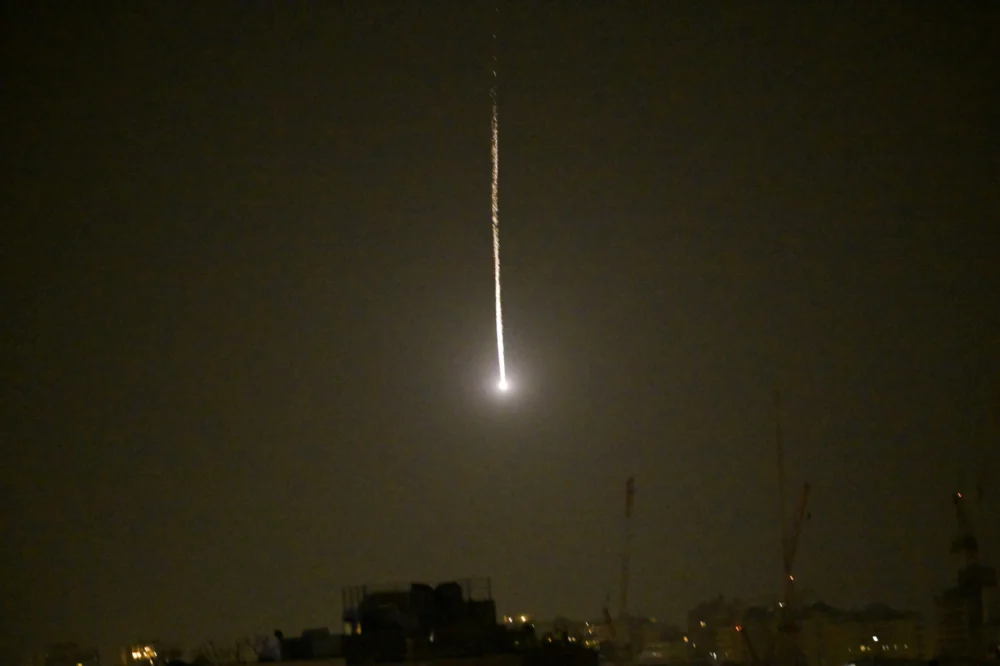
Thirteen days into the escalating conflict, United States and Israeli military operations targeting Iran continue, alongside a significant surge in Iranian retaliatory actions aimed at disrupting global energy markets, leading to a sharp increase in oil prices. The ongoing hostilities have prompted Iran to articulate specific conditions for de-escalation, while the international community grapples with the widening geopolitical and economic ramifications.
Deepening Global Consequences Amidst Escalating Iran War
The current phase of the Iran war, now in its second week, is characterized by a multi-pronged approach from both sides. The United States and Israel have intensified strikes, reportedly targeting strategic infrastructure and military assets within Iran. In response, Tehran has ramped up its offensive capabilities, demonstrating a clear intent to inflict economic pain and disrupt critical supply chains, particularly in the energy sector. This tit-for-tat strategy has reverberated globally, pushing oil prices to levels not seen in months and raising concerns about energy security worldwide.
Amir Saeid Iravani, Iran’s representative to the United Nations, provided a somber update on the human cost of the conflict, stating that at least 1,348 civilians have been killed as of Thursday. This grim tally underscores the severe impact of the hostilities on civilian populations and highlights the humanitarian crisis unfolding amidst the military engagements. The precise nature of these civilian casualties remains a subject of ongoing verification and international scrutiny.
Tehran’s Conditions for Peace: A Diplomatic Standoff
In a significant diplomatic development, Iranian President Masoud Pezeshkian has laid out three distinct conditions that Tehran deems necessary for ending the war. These demands include the unequivocal recognition of Iran’s legitimate rights, the payment of reparations for damages incurred during the conflict, and the establishment of robust international guarantees to prevent any future acts of aggression against the nation. These conditions signal Iran’s resolve and its expectations for a comprehensive resolution that addresses its perceived grievances.
The articulation of these terms by President Pezeshkian is a clear indication that while military actions are ongoing, diplomatic channels are also being utilized to signal potential pathways toward de-escalation. However, the willingness of the United States and Israel to engage with these demands remains uncertain, setting the stage for a complex geopolitical negotiation. The international community is closely observing these developments, hoping for a diplomatic breakthrough to avert further escalation and widespread instability.
Cyberattacks and Maritime Tensions: The Expanding Battlefield
Beyond the conventional military exchanges, the Iran war is increasingly playing out in the digital and maritime domains. A surge in cyberattacks has been reported, with sophisticated disruptions targeting critical infrastructure and financial systems on both sides of the conflict. These cyber operations add a new layer of complexity to the war, making it difficult to attribute responsibility and raising fears of widespread digital chaos.
Simultaneously, tensions have escalated in the Strait of Hormuz, a vital chokepoint for global oil transit. Reports indicate increased naval activity and potential incidents involving commercial shipping, further contributing to market anxieties. Any significant disruption in this strategic waterway could have immediate and severe consequences for the global economy, given its importance in transporting crude oil and liquefied natural gas from the Persian Gulf. The interplay of these various fronts – military, cyber, and maritime – paints a picture of a conflict with far-reaching and interconnected consequences.
Latest Developments in the Iran War
In Iran: Civilian Toll and Economic Pressures
The conflict’s impact within Iran is multifaceted. The reported civilian death toll of over 1,300 is a tragic indicator of the human cost. Beyond the immediate casualties, the Iranian economy is facing immense pressure due to the disruption of energy exports and the increased cost of imports. Sanctions, exacerbated by the ongoing hostilities, are tightening the economic noose, leading to concerns about domestic stability and the government’s ability to manage the crisis.

The Iranian government has publicly stated its commitment to defending its sovereignty and interests, framing the current actions as a necessary response to external aggression. However, the sustained military pressure and the economic fallout are likely to fuel internal debate and potentially challenge the leadership’s narrative. The focus remains on Iran’s capacity to sustain its retaliatory measures while mitigating the domestic consequences.
The Gulf Countries: Navigating Regional Instability
Nations within the Persian Gulf region are caught in a precarious position as the Iran war intensifies. The Strait of Hormuz, bordering several Gulf states, is a critical artery for their economies. Increased tensions and potential disruptions to shipping routes pose a direct threat to their oil exports and overall economic stability. Many of these countries are major oil producers, and a prolonged conflict that impacts supply chains could lead to significant revenue losses.
The region’s security architecture is also being tested. Some Gulf states have historical security ties with the United States, while others maintain complex relationships with Iran. The escalating conflict risks drawing these nations into the fray, either directly or indirectly, through economic repercussions or increased military posturing. The imperative for these countries is to maintain stability and avoid becoming collateral damage in the broader geopolitical struggle.
In the US: Strategic Objectives and Public Scrutiny
The United States’ involvement in the Iran war is driven by a complex set of strategic objectives, including ensuring regional stability, protecting allies, and maintaining freedom of navigation in critical waterways. The military operations are reportedly aimed at degrading Iran’s military capabilities and deterring further aggressive actions. However, the sustained engagement carries significant political and economic implications for the US.
Public opinion in the United States is likely to be divided, with concerns about the potential for prolonged military commitment and the associated costs in terms of both human lives and financial resources. Lawmakers will be closely scrutinizing the administration’s strategy, demanding clear objectives and exit strategies. The economic impact, particularly on energy prices, will also be a key point of public concern, potentially influencing domestic political discourse.
In Israel: Security Imperatives and Regional Dynamics
For Israel, the Iran war represents a direct confrontation with a long-standing adversary that it views as a primary security threat. Tehran’s alleged support for regional militant groups and its nuclear program have been major concerns for Jerusalem. The current military operations are likely aimed at curbing these perceived threats and reinforcing Israel’s security posture in a volatile region.
The conflict’s proximity and the potential for escalation create significant security challenges for Israel. The nation’s defense forces are on high alert, and contingency plans are undoubtedly in place to respond to any direct attacks or proxy provocations. The international diplomatic landscape surrounding the conflict will also be closely monitored by Israeli policymakers as they seek to manage regional dynamics and secure their long-term security interests.
In Lebanon and Iraq: Proxy Conflicts and Spillover Effects
The Iran war’s reach extends to neighboring countries like Lebanon and Iraq, where Iran wields considerable influence through various proxy groups and political alliances. In Lebanon, Hezbollah, a powerful militant group with strong ties to Iran, could become a significant factor if the conflict widens. Any escalation involving Hezbollah would have profound implications for regional stability and Israel’s security.
In Iraq, the presence of Iranian-backed militias and the ongoing struggle against residual extremist elements create a volatile environment. The US maintains a military presence in Iraq, and any increased tensions or direct engagements involving Iranian-backed forces could draw American troops into a more direct confrontation. The potential for spillover effects in these countries is a major concern, as instability in one area can quickly spread to others.
Oil and Energy: A Global Economic Flashpoint
The most immediate and palpable global consequence of the Iran war is its impact on oil and energy markets. Iran’s strategy of disrupting energy supplies has successfully triggered a surge in crude oil prices. This rise is not only due to the direct threat to supply but also the increased risk premium associated with the conflict in a strategically vital region.
The ripple effects are being felt worldwide. Higher fuel costs translate into increased transportation expenses, impacting supply chains for virtually all goods. This can lead to broader inflationary pressures, affecting consumers and businesses alike. Nations heavily reliant on oil imports are particularly vulnerable, facing increased energy bills and potential economic slowdowns. The current situation underscores the interconnectedness of global energy markets and the profound impact that geopolitical conflicts can have on the world economy.
The ongoing military actions and retaliatory measures, coupled with the diplomatic maneuvering surrounding Iran’s stated conditions for peace, suggest a complex and potentially prolonged period of instability. The international community faces the daunting task of managing the escalating conflict, mitigating its humanitarian and economic consequences, and seeking a diplomatic resolution that addresses the underlying grievances and ensures regional security. The coming days and weeks will be critical in determining the trajectory of this dangerous geopolitical confrontation.