A coalition of Iranian Americans has initiated a federal lawsuit against President Donald Trump, seeking judicial intervention to cease military hostilities against Iran. The plaintiffs contend that the ongoing conflict, which they allege lacks constitutional authorization, is inflicting severe harm on them and their families residing in Iran. The National Iranian American Council (NIAC), an advocacy organization, filed the complaint in a Washington, D.C. court, asserting that the war poses "imminent threats to the lives, limbs, health, property, and bare necessities" of both Iranian citizens and Iranian Americans.
The legal action underscores the profound personal toll of escalating tensions between the United States and Iran, extending beyond geopolitical rhetoric to impact individuals with deep familial ties across both nations. The lawsuit meticulously details how the protracted conflict, now reportedly spanning over six months, has directly affected several NIAC members, including U.S. citizens and a U.S. Army veteran. These individuals have witnessed or experienced the devastating consequences firsthand, through the suffering of their relatives in Iran.
Deepening Impact of Conflict and Sanctions
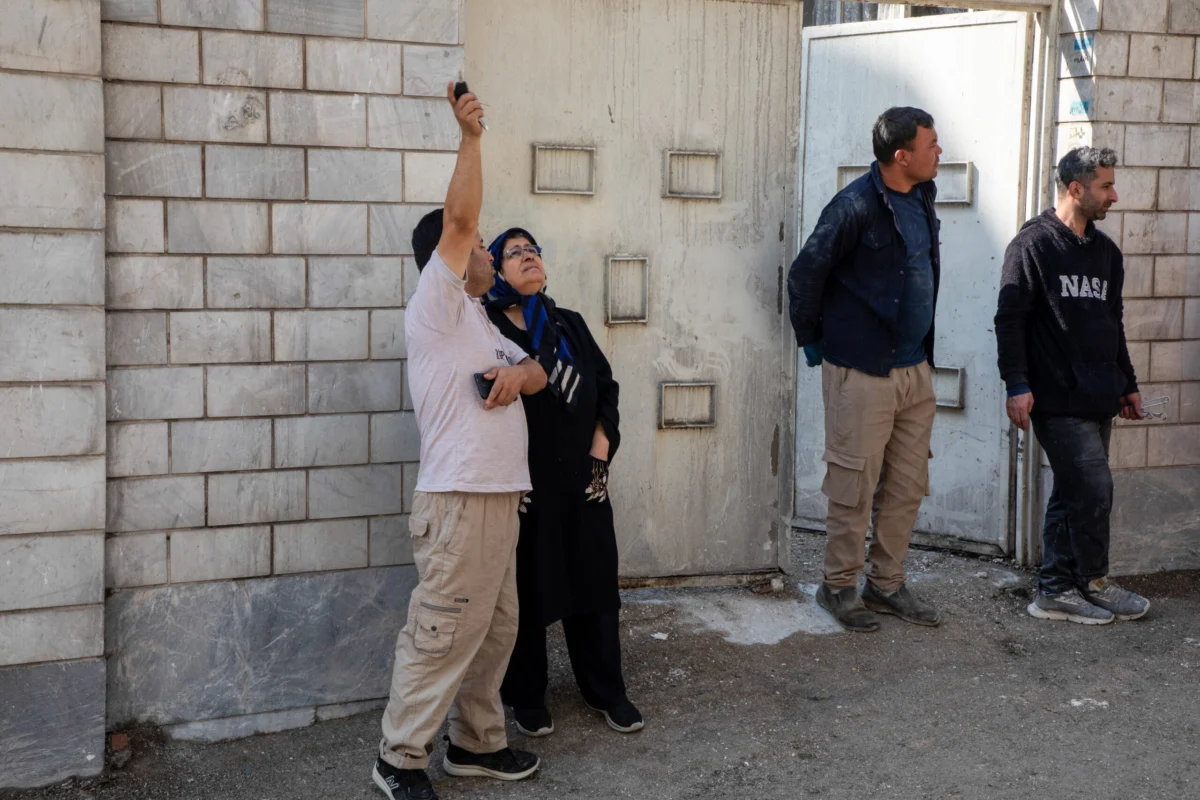
According to the lawsuit’s allegations, the relatives of some plaintiffs have been killed or wounded in air strikes. These attacks, the complaint states, have occurred in residential areas, tragically striking individuals while they were engaged in ordinary daily activities within their homes. Beyond direct casualties, the plaintiffs assert that the broader sanctions regime, intertwined with the military actions, has created a cascade of negative effects on their families and themselves.
These repercussions include significant economic hardship, stemming directly from the extensive U.S. sanctions imposed on Iran. Furthermore, the plaintiffs highlight the severe challenges in accessing adequate healthcare and the increasing difficulties in travel, all exacerbated by the expanding scope of the sanctions. For those still residing in Iran, the lawsuit argues, the danger is amplified by the Trump administration’s continuation of military operations without what the plaintiffs deem to be proper legal oversight or explicit authorization from Congress.
Constitutional Questions and Congressional Authority
The core of the lawsuit hinges on the assertion that President Trump has overstepped his constitutional authority by engaging in prolonged military action without a formal declaration of war or explicit congressional approval. NIAC President Jamal Abdi articulated this concern in a public statement, emphasizing the fundamental democratic principle that such significant decisions should not rest solely with one individual. "No President should have the power to take this country into an indefinite war by himself," Abdi stated, posing a critical question: "This lawsuit asks a fundamental question: can one person decide, on his own, to keep an entire nation at war?"
The legal challenge directly confronts the executive branch’s war powers, seeking to establish a precedent that limits unilateral presidential authority in initiating and sustaining military conflicts. The plaintiffs are not merely seeking monetary damages; their primary objective is to compel a judicial order to halt the military actions, arguing that the current trajectory is unconstitutional and poses an unacceptable risk to human lives and well-being.
Background of Escalating Tensions
The lawsuit emerges against a backdrop of heightened tensions and a series of escalating incidents between the United States and Iran. For years, the relationship has been fraught with diplomatic friction, economic sanctions, and proxy conflicts. However, the intensity of rhetoric and the proximity of potential direct confrontation have significantly increased in recent years, particularly under the Trump administration.
The Trump administration has pursued a policy of "maximum pressure" against Iran, withdrawing from the Joint Comprehensive Plan of Action (JCPOA) nuclear deal and reimposing stringent sanctions. This approach has been met with resistance from Iran, which has responded with measures such as enriching uranium beyond the limits set by the JCPOA and engaging in actions that have been interpreted by the U.S. as destabilizing.
Allegations of War Crimes and Civilian Casualties
The lawsuit further draws attention to previous findings by international bodies regarding the conduct of military operations in Iran. It references a September report from a United Nations fact-finding mission, which indicated that the United States may have committed "war crimes" in Iran. This report specifically cited air strikes that allegedly resulted in the deaths of hundreds of civilians.
While the specifics of the UN mission’s findings and the scope of its mandate are subject to international legal interpretation, the lawsuit incorporates these allegations to bolster its claims of harm and the need for accountability. The plaintiffs contend that the ongoing conflict has already led to the deaths of thousands of civilians, including hundreds of children, and that many more remain at risk due to the continuation of hostilities without adequate legal justification.
The Lawsuit’s Specific Claims
The complaint filed by NIAC outlines several key legal arguments. Firstly, it asserts that President Trump has violated the U.S. Constitution by engaging in war without a congressional declaration, thereby infringing upon the separation of powers. Article I, Section 8 of the Constitution grants Congress the sole power to declare war.
Secondly, the lawsuit argues that the administration’s actions have violated the plaintiffs’ due process rights, as they are being subjected to the harms of war and sanctions without adequate legal recourse or representation. The plaintiffs’ claims of imminent danger to their lives, health, and property are central to this argument.
Thirdly, the lawsuit contends that the prolonged and potentially indefinite nature of the conflict, driven by executive action alone, sets a dangerous precedent for future foreign policy decisions. The plaintiffs are seeking injunctive relief, aiming to prevent further military engagement and to force a re-evaluation of the legal basis for the ongoing hostilities.
Broader Implications and Public Response
The lawsuit initiated by the Iranian American community is likely to have significant implications, both domestically and internationally. It brings to the forefront the human cost of international conflict and the role of citizens in holding their government accountable for its foreign policy decisions. The legal challenge could also reignite debates within the United States about the extent of presidential war powers and the necessity of congressional oversight in matters of military engagement.
Public reaction to the lawsuit is expected to be varied. Supporters may view it as a courageous stand for justice and a defense of constitutional principles. Critics, however, might argue that such legal challenges can undermine national security or interfere with the executive branch’s ability to conduct foreign policy effectively. The outcome of the lawsuit could set an important legal precedent regarding the balance of power between the presidency and Congress in initiating and sustaining military operations.
Presidential Rhetoric and International Diplomacy
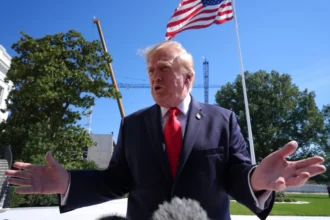
The timing of the lawsuit is particularly noteworthy, coming shortly after President Trump’s remarks at the United Nations General Assembly. During his address, the President stated he was "considering" whether to "annihilate" Iran if Tehran did not return to negotiations aimed at ending the conflict. This stark rhetoric underscored the volatile nature of the U.S.-Iran relationship and the high stakes involved in the ongoing confrontation.
The lawsuit, in a sense, acts as a counterpoint to this aggressive posturing, emphasizing the legal and human consequences of such pronouncements and the potential for devastating outcomes. It highlights the disconnect between presidential declarations and the constitutional framework governing the use of military force, urging a more restrained and legally sound approach.
Next Steps and Legal Avenues
The lawsuit now enters the judicial process, where the court will consider the arguments presented by both the plaintiffs and the government. The Trump administration is expected to contest the lawsuit, likely arguing that the President has the inherent authority to protect U.S. national security interests and that the judiciary should not interfere with executive foreign policy decisions.
The plaintiffs, through NIAC, will aim to demonstrate that the current military actions are not only unconstitutional but also causing demonstrable harm to their families and community. The case could proceed through various stages, including motions to dismiss, discovery, and potentially a trial, depending on how the court rules on preliminary matters. The ultimate outcome could have far-reaching consequences for the balance of power in U.S. foreign policy and the protection of civil liberties in times of international conflict. The legal battle initiated by this group of Iranian Americans represents a significant attempt to assert democratic checks and balances in the face of escalating international tensions and the exercise of executive power.