A surge of high-level diplomatic visits to Tehran, including those from Qatar, Oman, and Pakistan, signals a potential ramp-up in efforts to de-escalate tensions and revive stalled negotiations between Iran and the United States, amidst a prolonged and economically crippling conflict. These diplomatic overtures come as mediators work to persuade both sides to return to the negotiating table, even as hardline rhetoric persists on both fronts. The visits underscore a renewed international focus on finding a pathway toward peace and reopening vital global trade routes.
Qatar’s Prime Minister Leads Diplomatic Push
Qatari Prime Prime Minister Sheikh Mohammed bin Abdulrahman bin Jassim Al Thani arrived in Tehran on Thursday for critical discussions aimed at de-escalating the ongoing conflict and breathing new life into the defunct negotiations between Iran and the United States. His presence in the Iranian capital is part of a broader diplomatic initiative involving several regional and international players seeking to bridge the divide between the two adversaries. The Qatari leadership has consistently played a pivotal role as a discreet intermediary in U.S.-Iran relations.
Sheikh Mohammed, who also serves as Qatar’s foreign minister, is scheduled to engage with a "number of Iranian officials" to explore avenues for ending hostilities and fostering an environment conducive to dialogue. A key focus of these discussions is expected to be the precarious situation in the Strait of Hormuz, a vital waterway for global energy supplies. Qatar advocates for the strait’s return to its pre-conflict status, a demand that highlights the severe economic consequences of the current impasse.
Qatar’s long-standing role as a behind-the-scenes negotiator has been instrumental in past de-escalation efforts. The nation played a crucial part in facilitating a memorandum of understanding in June that temporarily paused hostilities, though that agreement has since lapsed, underscoring the fragility of diplomatic progress. The current flurry of activity suggests a concerted effort to build upon previous, albeit temporary, successes.
Regional Mediators Converge on Tehran
The Qatari delegation’s visit follows a series of high-level engagements with Iranian leadership. Earlier in the week, Pakistan’s Army Chief, Field Marshal Asim Munir, met with prominent Iranian figures, including President Masoud Pezeshkian and Parliament Speaker Mohammad Bagher Ghalibaf. The meetings also included General Mohsen Rezaei, the newly appointed secretary of Iran’s Supreme National Security Council. These interactions signal a coordinated regional approach to addressing the escalating conflict and its destabilizing effects.
On Tuesday, Oman’s Foreign Minister, Badr Albusaidi, concluded his talks in Tehran with his Iranian counterpart, Abbas Araghchi. The discussions centered on the Strait of Hormuz, which has emerged as the conflict’s most significant flashpoint. Iran and Oman have been engaged in ongoing negotiations regarding the shared waterway, a testament to the pressing need for solutions to ensure maritime security and the unimpeded flow of commerce.

A notable development from the Oman-Iran talks was the announcement by Iranian Deputy Foreign Minister Kazem Gharibabadi regarding an agreement on a new temporary shipping route within the Strait of Hormuz. This arrangement would allow vessels to enter through Iranian waters, granting Tehran partial control over exit routes. However, Iran has made it clear that the full reopening of the strait is contingent upon the United States lifting sanctions and unfreezing Iranian assets, a condition that remains a major sticking point in broader U.S.-Iran relations.
The War’s Current Standoff and Economic Fallout
Officially, the United States and Iran remain in a state of conflict, with both sides having declared the other’s defeat. However, this prolonged engagement has exacted a significant economic and political toll on both nations. Reports indicate that the U.S. may be experiencing shortages of critical interceptor missiles and equipment in the Middle East, prompting the Trump administration to intensify its strategy of economic pressure.
This intensified economic warfare includes a new wave of sanctions targeting Iranian entities and threatening secondary sanctions against countries continuing to conduct business with Tehran. The Trump administration’s approach appears to prioritize crippling Iran’s economy as a means to compel concessions, a strategy that has drawn sharp criticism from Tehran and raised concerns among international trading partners.
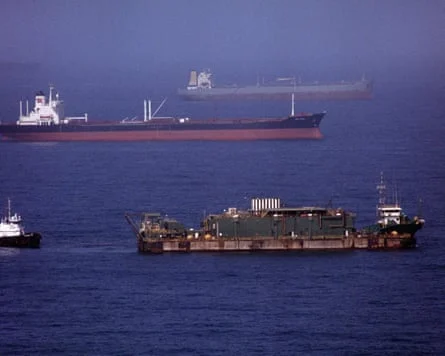
The closure of the Strait of Hormuz remains a central obstacle to de-escalation. Iran insists on maintaining control over the waterway, a strategic move that has severely disrupted global shipping. Washington, conversely, demands a return to the pre-war arrangement of free passage for all vessels. While President Trump has asserted that all naval mines have been cleared from the strait, experts caution that residual threats may persist, posing an ongoing risk to maritime traffic. Compounding the issue, the U.S. naval blockade on Iranian ports near the strait continues to impede Iranian oil exports, further tightening the economic noose.
Signs of Diplomatic Thaw Amidst Hardline Stances
Despite the outward displays of defiance, there are emerging indicators that diplomacy may be gaining traction. The breakthrough in talks between Iran and Oman concerning the Strait of Hormuz has been interpreted by some analysts as a sign of Tehran’s willingness to engage in negotiations. Furthermore, Reuters reported that the U.S. is preparing to redeploy diplomatic staff to their Middle East stations as early as next week.
This redeployment follows the withdrawal of U.S. personnel and their families from various Middle Eastern locations, including Jordan, Bahrain, Kuwait, Saudi Arabia, Lebanon, and Iraq, in the wake of U.S. and Israeli strikes on Iran in late February, which prompted retaliatory actions by Tehran against neighboring countries. The temporary closure of U.S. embassies in Saudi Arabia and Kuwait due to hostile actions underscores the volatile regional security environment.
The planned restoration of full diplomatic operations in Jordan, Israel, and Oman, coupled with scaled-back missions in the UAE, Saudi Arabia, Qatar, Lebanon, Iraq, Kuwait, and Bahrain, suggests a degree of confidence within the U.S. administration regarding the war’s trajectory. While not officially confirmed, analysts suggest this decision may reflect Washington’s assessment that the conflict is unlikely to escalate militarily, even in the absence of direct, face-to-face talks.

Divergent Rhetoric on Peace Talks
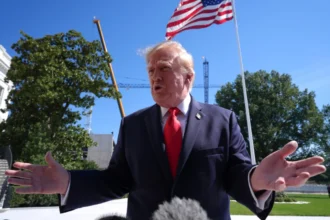
However, official statements from both the U.S. and Iran paint a starkly different picture from the renewed diplomatic outreach. U.S. President Donald Trump, in a recent interview, expressed no urgency to resume talks with Iran, asserting that economic and military actions against Tehran would prove effective. This stance aligns with the administration’s recent pivot towards enhanced economic pressure, as evidenced by the broad sanctions imposed on Iranian firms and their trade partners.
The latest sanctions target over 60 individuals and organizations across critical sectors, including digital assets, technology, gold, aviation, and shipping. These measures extend beyond previously sanctioned oil and financial sectors and encompass entities in numerous countries, including China, Hong Kong, the UK, Ukraine, Syria, France, Malaysia, and Singapore.
Iran has vehemently condemned these new sanctions, with Foreign Minister Araghchi describing them as an "act of state and economic terrorism" in a letter to the United Nations, urging member states to resist their implementation. Hardline elements within Iran’s military and security establishment have also continued to issue defiant statements. For instance, during Pakistan’s Army Chief Munir’s visit, Supreme National Security Council secretary Rezaei reportedly conveyed Iran’s deep-seated distrust of America.
In contrast, Iranian President Masoud Pezeshkian has adopted a more conciliatory tone. He has advocated for negotiations from a position of strength, stating, "It is better that we bring the war to an end now as we are in a position of power and dignity." However, the President’s influence is constrained by Supreme Leader Mojtaba Khamenei, and hardliners, particularly within the military, have criticized his government for perceived concessions in agreeing to the June memorandum of understanding, a charge the president has refuted.
The Broader Implications of Diplomatic Maneuvers
The current diplomatic surge, while lacking direct U.S. confirmation, is being viewed by some analysts as a strategic move by Washington. The theory posits that increased economic pressure on Iran is intended to compel Tehran to enter into negotiations. Ali Vaez of the International Crisis Group suggests that Washington aims to orchestrate a "financial apocalypse" in Iran, combining military blockades with sanctions on its already strained economy.
Vaez noted that while the Islamic Republic has weathered such challenges before, the current combination of pressures and Iran’s acute existing difficulties presents a novel scenario. The critical question, he posits, is whether this intensified economic brinksmanship is a zero-sum campaign aimed at regime collapse or a calculated leverage tactic designed to facilitate an agreement. The outcome of these multifaceted diplomatic and economic pressures will significantly shape the future of regional stability and global energy markets.