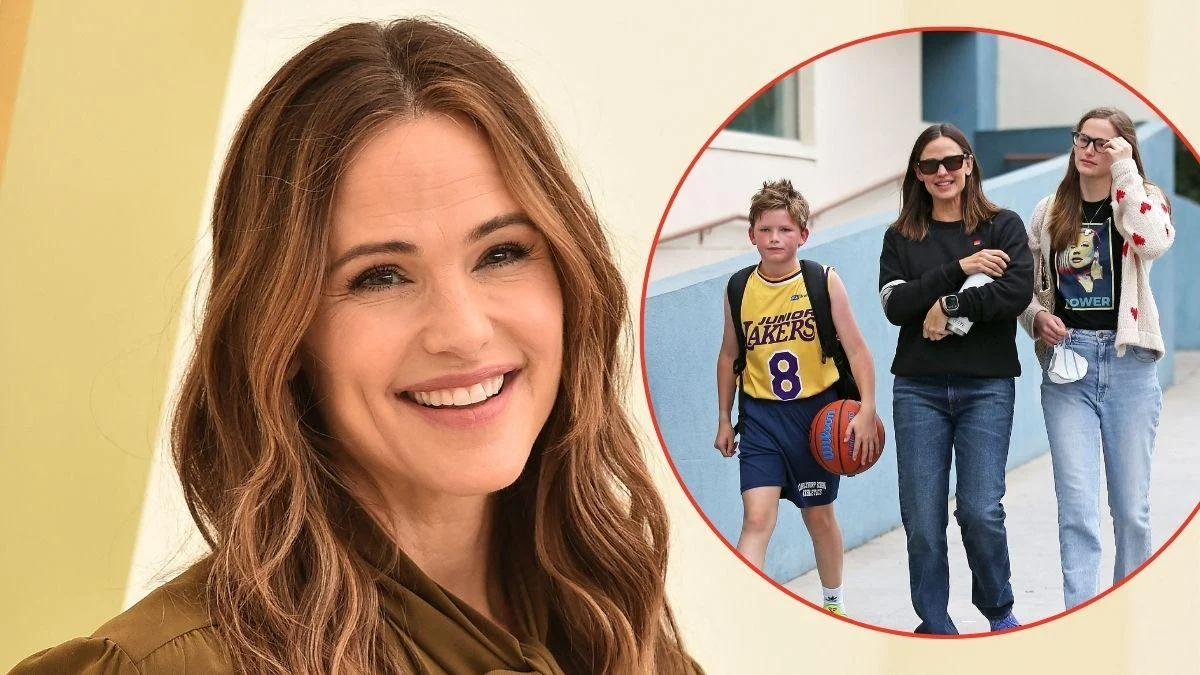
Jennifer Garner, a prominent figure in Hollywood for over three decades, recently voiced profound concerns regarding the intense paparazzi frenzy that has shadowed her and her family, describing the relentless pursuit as "ludicrous" and a genuine "danger" to those around them. The actress, known for her roles in films like 13 Going on 30 and Alias, detailed the severe impact of constant media scrutiny on her children during a candid appearance on Evan Ross Katz’s "Shut Up Evan" podcast, emphasizing that "the kids were paying the price" for her public life. Her remarks reignite a long-standing debate within the entertainment industry about the boundaries of celebrity privacy and the ethical implications of photojournalism, particularly when minors are involved.
Decades in the Spotlight: A Constant Battle for Privacy
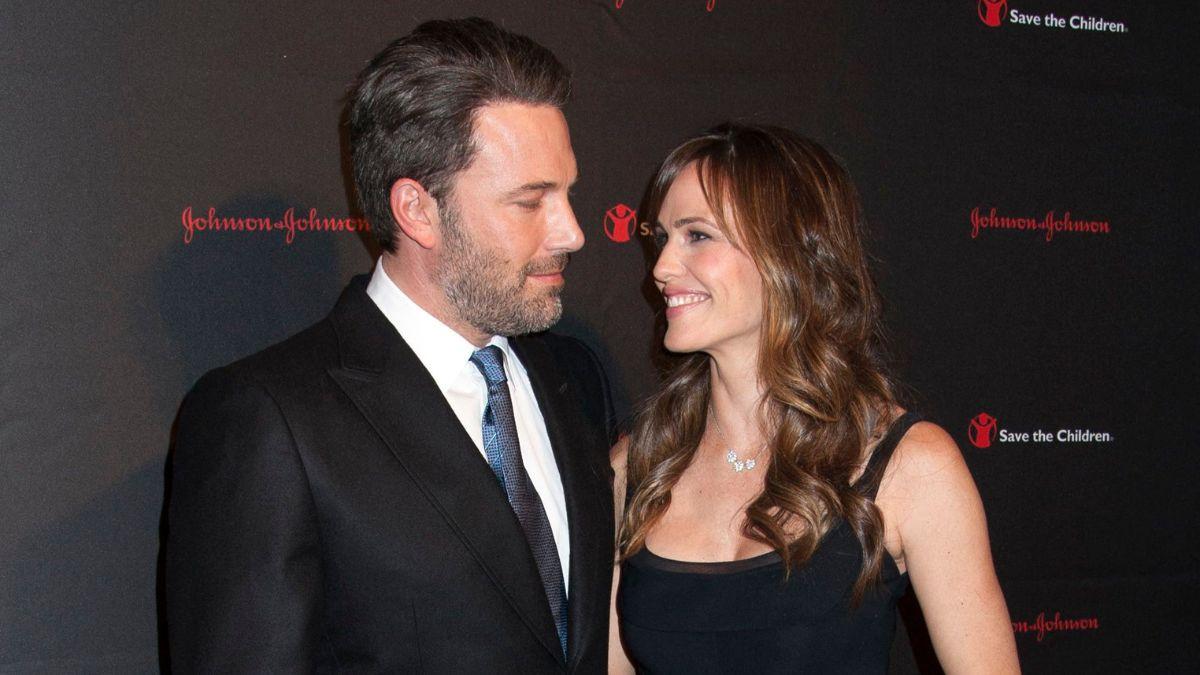
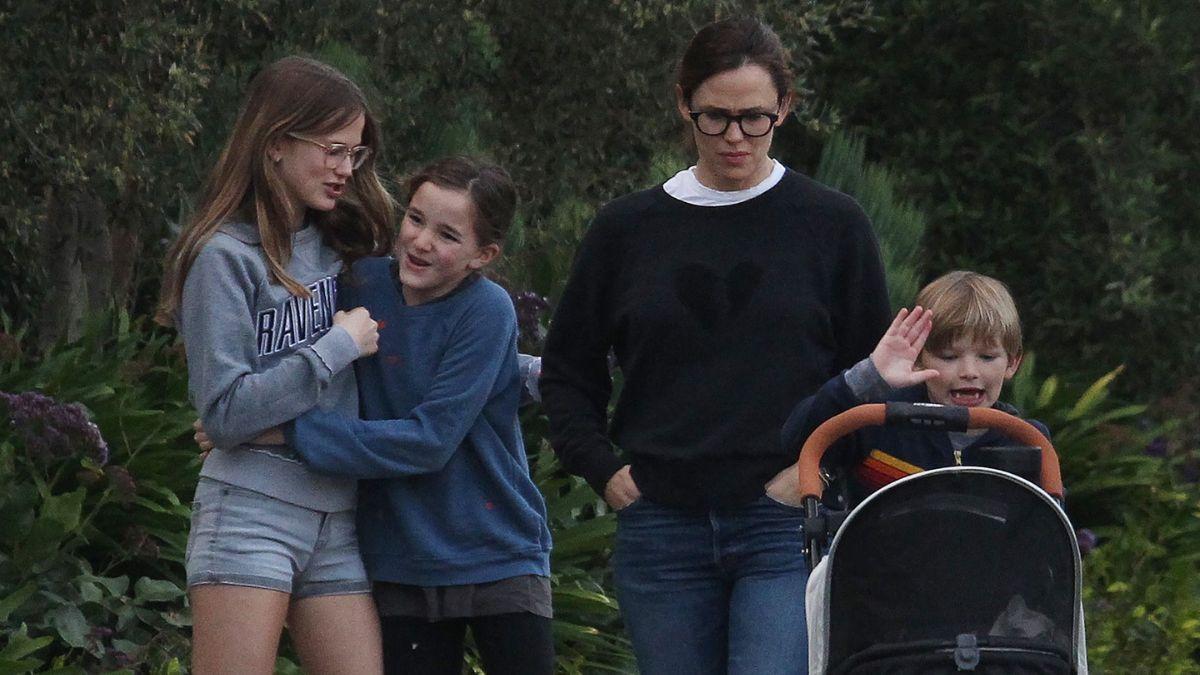
Garner’s career trajectory, from her breakout role in Alias to her current status as a beloved screen presence, has consistently placed her in the public eye. While she expresses gratitude for the opportunities Hollywood has afforded her, she highlights the enduring challenge of navigating an invasive media landscape. Her marriage to and eventual divorce from actor Ben Affleck amplified this scrutiny, making their family a prime target for photographers. The period following their separation, in particular, saw an escalation in paparazzi activity around Garner and their three children: Violet, 20, Seraphina, 17, and Samuel, 14. This heightened attention placed an unprecedented strain on their daily lives, turning mundane activities into perilous encounters.

The issue of celebrity children being subjected to relentless media attention is not new, but Garner’s recounting serves as a stark reminder of its potentially harmful consequences. Unlike adults who choose a public profession, children of celebrities are unwilling participants in this dynamic, often bearing the brunt of aggressive photographic tactics. Legal frameworks, such as California’s anti-paparazzi laws passed in 2013, aimed to curb the harassment of celebrity children by making it illegal to photograph or record a minor in a harassing manner. However, Garner’s recent statements suggest that the underlying problem of excessive pursuit persists, albeit perhaps in different forms.
The ‘Danger’ to Children: Beyond Annoyance
Garner painted a vivid picture of the alarming situations her family faced due to the paparazzi’s invasive methods. She recalled instances where her efforts to take a sick child to the pediatrician were obstructed by a wall of photographers, creating a stressful and frightening environment. "It felt like ‘Poor little me, my poor little kids who have everything in the world,’ but it was a danger to everyone around us," Garner stated, acknowledging her family’s privilege while underscoring the universal right to safety and privacy. This sentiment moves beyond mere inconvenience, framing the paparazzi’s actions as a direct threat to personal security and well-being.
The actress further elaborated on the physical risks posed to her children. She described harrowing scenarios where photographers, in their zeal to capture images, would disregard the safety of minors. "Kids were getting knocked over coming out of preschool by photographers who were so hungry to get to me or to Ben, trying to get to our kids," she revealed. Such incidents underscore the potential for serious injury and the profound psychological distress inflicted upon young, vulnerable individuals who are simply trying to live normal lives. This aggressive behavior crosses a line from newsgathering into harassment, transforming childhood experiences into a constant state of vigilance and fear.

Disparities in Scrutiny: A Gendered Perspective
Garner also shed light on what she perceived as a gendered disparity in the paparazzi’s focus. She observed that despite living in a neighborhood with other equally, if not more, famous individuals, she often received the brunt of the attention when with her children. "They followed me because I had the kids. They wouldn’t follow Ben. They wouldn’t follow Matt Damon," she asserted, referencing her ex-husband and his close friend, actor Matt Damon. This observation suggests a troubling trend where female celebrities, particularly mothers, are disproportionately targeted by the paparazzi when performing parental duties, perhaps due to a perceived higher market value for images depicting celebrity family life.
This disparity raises questions about the underlying motivations of the paparazzi industry and the societal expectations placed on celebrity mothers. The relentless pursuit of images of women with their children contributes to a narrative that often commodifies and scrutinizes female public figures through the lens of motherhood. While male celebrities also experience media attention, Garner’s account implies a different, often more aggressive, form of harassment directed at women perceived as primary caregivers.
Reckless Pursuit: Breaking Traffic Laws and Boundaries
The actress recounted how photographers routinely flouted traffic laws and societal norms in their pursuit of her, escalating the sense of danger. "If I went through a yellow light, 15 cars would go through the red behind me. They would drive up onto people’s lawns, even on a hillside," she explained. This blatant disregard for traffic regulations and private property not only endangered Garner and her family but also put other motorists and pedestrians at risk. Such behavior highlights the extreme lengths to which some photographers will go to secure a shot, often prioritizing a salable image over public safety and legal compliance.
These incidents are not isolated occurrences but rather indicative of a broader pattern of aggressive tactics employed by a segment of the paparazzi industry. The competitive nature of celebrity photography often leads to high-risk maneuvers, transforming public roads and private spaces into dangerous zones. Garner’s detailed account serves as a powerful testament to the daily anxieties and threats that celebrities and their families endure, painting a picture far removed from the glamorous facade often associated with Hollywood life.
A Complicated Relationship: Stockholm Syndrome in the Spotlight
In a surprising revelation, Garner admitted to developing a "very interesting relationship" with one particular photographer who has been assigned to her for over two decades, describing it as having "an odd respect for each other." This complex dynamic, which she likened to "Stockholm Syndrome," underscores the psychological toll of prolonged surveillance. She recalled an incident where she felt threatened by another individual and instinctively sought refuge with this familiar paparazzo, trusting him to ensure her safety. "I ran to him because I knew him and trusted him, and I knew that he and I would be OK," she shared.
Despite this strange rapport, Garner affirmed that the fundamental issue of invasion remains. She acknowledged calling the police "a million times" to request basic privacy, such as "a walk around the block with my kids and my dog." This paradoxical relationship encapsulates the deep-seated tension between the need for personal space and the inescapable presence of the media in a celebrity’s life. It highlights the human element within this often adversarial relationship, even as it underscores the inherent dysfunction of a system that forces such interactions.
Broader Implications and Ongoing Advocacy
Jennifer Garner’s powerful testimony extends beyond her personal experiences, contributing to a larger discourse about celebrity privacy, media ethics, and child welfare. Her advocacy for greater protections for celebrity children echoes similar calls from other public figures, including Halle Berry and Kristen Bell, who have actively campaigned for stricter anti-paparazzi laws. The continuous public discussion surrounding these issues reflects a growing societal awareness of the human cost of unbridled media intrusion.
The entertainment industry and legal systems continue to grapple with finding a balance between the public’s right to information and an individual’s right to privacy, especially for minors. Garner’s candid remarks serve as a potent reminder that while stardom offers immense opportunities, it often comes at the steep price of personal freedom and safety, particularly for the most vulnerable members of a celebrity’s family. Her ongoing willingness to speak out ensures that the critical conversation about safeguarding children from aggressive media practices remains at the forefront, pushing for greater accountability and more humane standards in celebrity reporting.