Kelly Clarkson has concluded her highly successful daytime talk show, The Kelly Clarkson Show, after a seven-season run, delivering a poignant musical farewell that simultaneously underscored the profound shifts occurring across the shrinking daytime TV landscape. Her departure marks a significant moment for the genre, highlighting an ongoing trend where rising production costs, declining linear viewership, and evolving audience habits are reshaping traditional broadcast programming.
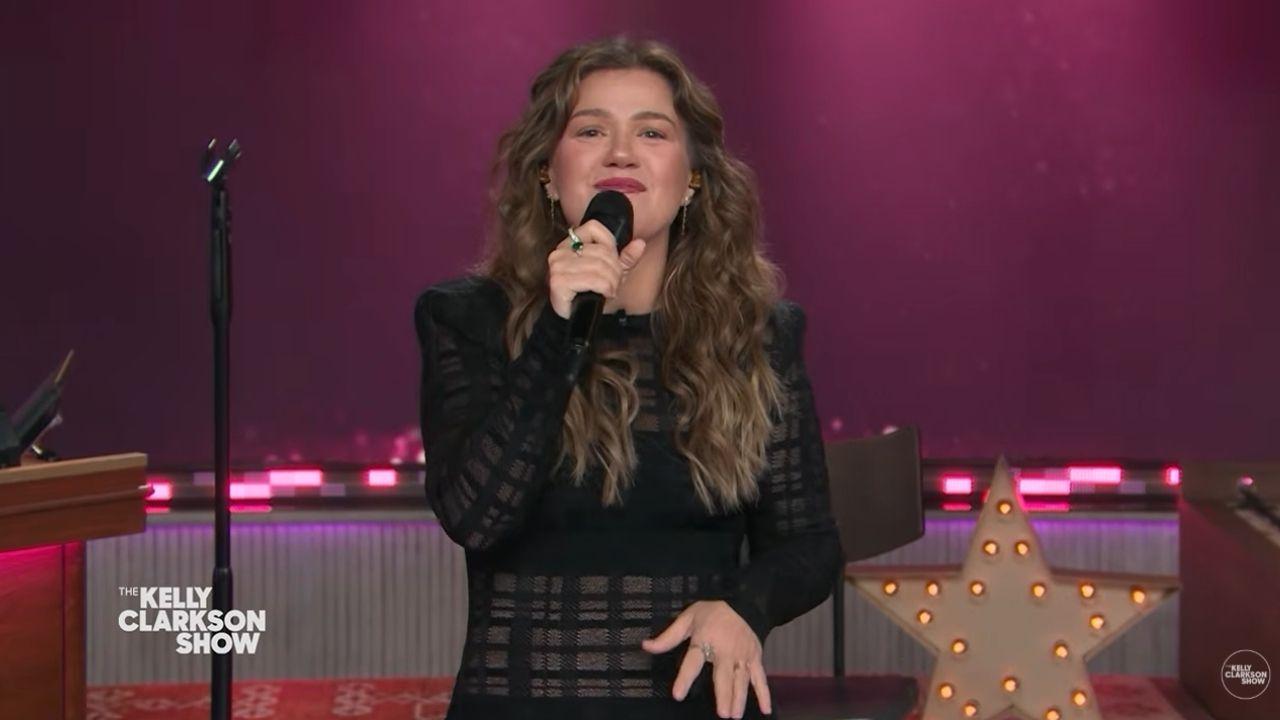
Clarkson, a beloved figure who rose to fame on American Idol, ended her daytime tenure true to form: with a song. For the final "Kellyoke" segment, a fan-favorite staple of her show, she performed "Golden" from KPop Demon Hunters alongside her band, My Band Y’all. This particular cover had been the most requested during the show’s run, offering a fitting and heartfelt tribute to her audience. The episode, titled Kelly Clarkson by Request, also featured performances of her own chart-topping hits, including "Since U Been Gone," "Sober," and "Stronger (What Doesn’t Kill You)," chosen directly by her dedicated fanbase.

The Economic Pressures on Daytime Television
Clarkson’s decision to step away, announced by her and NBCUniversal in February, reflects both personal considerations and the mounting industry pressures faced by syndicated daytime programming. Experts point to a challenging economic environment as a primary driver for the genre’s contraction. Lauren Cobello, a best-selling author and CEO of Leverage with Media PR, articulated the core issue: "It starts with the decline of TV viewership, which then comes down to where advertisers want to put their money."
This fundamental shift in audience behavior directly impacts the financial viability of shows. Cobello explained, "Declining ratings mean networks can no longer charge premium rates for daytime commercial slots." When advertising revenue dips, networks are compelled to scrutinize the substantial production costs associated with daily talk shows, which often involve large crews, elaborate sets, and significant talent fees. The financial strain has led to noticeable changes in how productions operate. Cobello, who was a regular on shows like The Rachael Ray Show and Today for a decade, observed this firsthand: "While on set, I saw the budgets decreasing over time." She recounted a dramatic shift from receiving full meals, flights, and hotel accommodations to talent being responsible for their own travel and even food by the end of her tenure. This anecdotal evidence paints a clear picture of an industry striving to cut costs in the face of dwindling profitability.

A Broader Retreat from Traditional Broadcast
The challenges facing The Kelly Clarkson Show are not isolated incidents but symptoms of a wider retreat from traditional broadcast models. For decades, daytime television was a lucrative and influential space, dominated by powerhouse hosts like Oprah Winfrey, Phil Donahue, and later Ellen DeGeneres and Rachael Ray. These shows served as cultural touchstones, providing a mix of entertainment, information, and celebrity interviews for a largely stay-at-home audience.
However, the media landscape has undergone a radical transformation. The proliferation of cable channels initially fragmented audiences, and the subsequent rise of streaming services like Netflix, Hulu, and Disney+ further accelerated this trend. Viewers now have an unprecedented array of on-demand content at their fingertips, leading to a significant decrease in linear TV consumption, especially among younger demographics. This shift has made it increasingly difficult for syndicated shows, which rely on consistent daily viewership across various local stations, to maintain the ratings necessary to justify their substantial operational costs.

Why Hosts Are Re-evaluating Their Daytime Commitments
Beyond the financial calculus, the demanding nature of hosting a daily talk show plays a significant role in hosts’ decisions to step back. Kelly Clarkson herself told Today that her exit was "hard" but linked to changing family dynamics and a desire to cherish life’s precious moments. This sentiment resonates with Cobello’s observations about the intense workload placed on talk show hosts. She noted that some popular personalities were "doing three shows per day for three months at a time," leading to burnout.
Furthermore, hosts often feel a lack of creative autonomy within the traditional network structure. Cobello pointed out that their "voices are often controlled by what the stations say they can and cannot say," limiting their ability to fully express themselves or pursue topics without network oversight. This contrasts sharply with emerging digital platforms where content creators often enjoy greater freedom and direct control over their work.
The Future of Celebrity-Led Content: Beyond the Broadcast Stage
As the traditional daytime TV landscape continues to contract, many prominent personalities are exploring alternative avenues for connecting with their audiences. The most notable trend is the migration towards podcasting. Cobello highlighted this shift, stating, "Many daytime hosts and TV personalities are opting for podcast deals once they leave the broadcast TV stage."
The appeal of podcasts is multifaceted. They offer "more creative control and own their own content," allowing hosts to develop shows that align more closely with their personal brands and interests without the strictures of network censorship or format requirements. Crucially, podcasts also present "more income opportunity" through direct sponsorships, advertising, and subscription models, often bypassing the complex revenue-sharing agreements of traditional television. This direct-to-consumer approach empowers hosts to build sustainable businesses around their content and audience relationships.
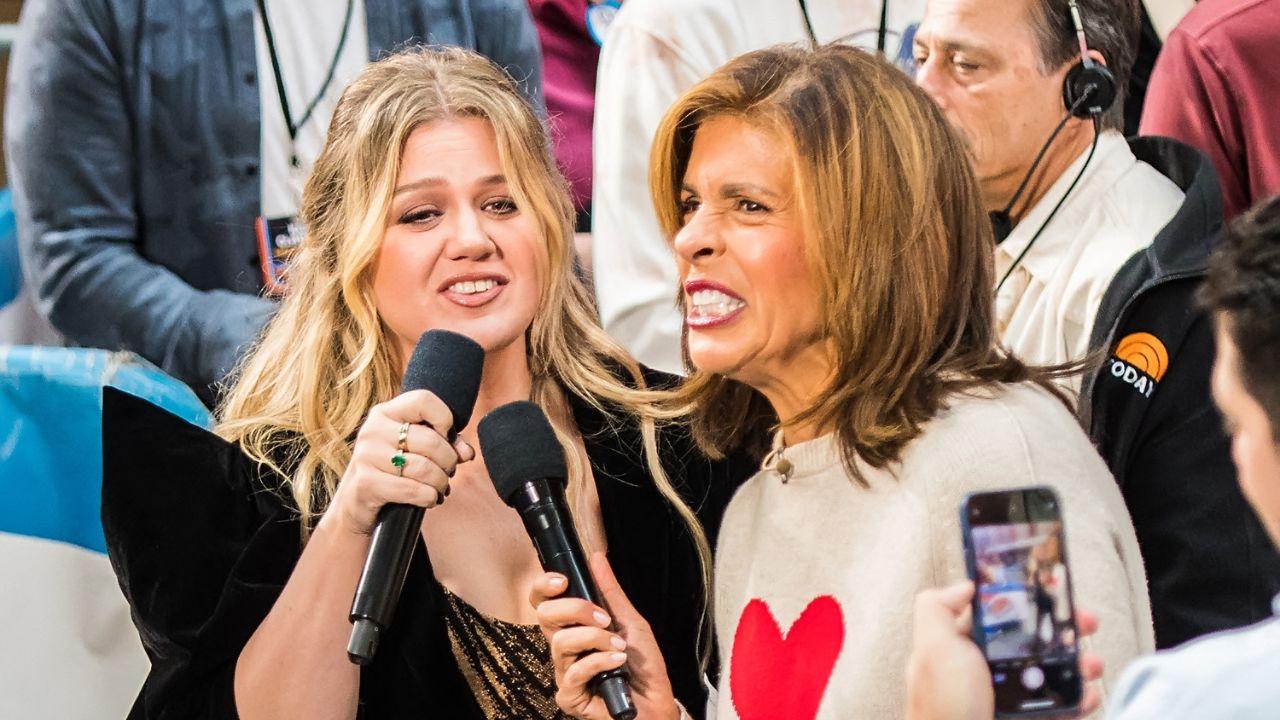
While Kelly Clarkson expressed gratitude for her time, telling the audience, "I loved being in your homes each day. This has been an incredible opportunity," her departure is a bellwether for the industry. Daytime audiences have not entirely vanished, and television still retains a certain "credibility for certain stations," as Cobello noted. However, the model is undeniably evolving. The future of celebrity-led content appears increasingly digital, with platforms offering flexibility, autonomy, and direct engagement that traditional broadcast struggles to match. Clarkson’s final performance, therefore, marks not just the end of a chapter for her show, but a clear signpost for the ongoing transformation of an entire television genre.