Environmental advocacy groups have filed a lawsuit against the Environmental Protection Agency (EPA) challenging the Trump administration’s decision to retract a pivotal 2009 climate change declaration, known as the "endangerment finding." This finding, established under the Obama administration, legally affirmed that greenhouse gas emissions pose a significant risk to public health and environmental safety, serving as the bedrock for numerous regulations aimed at mitigating climate change. The Trump administration’s reversal of this declaration, which President Trump had previously dismissed as a "hoax," was hailed by the EPA as the "single largest deregulatory action in US history." The lawsuit contends that this move jeopardizes the health and well-being of American citizens by dismantling critical environmental protections.
The Significance of the Endangerment Finding
The "endangerment finding" was a landmark declaration issued during President Barack Obama’s tenure, which formally recognized that carbon dioxide and other greenhouse gases present a threat to public health and welfare. This scientific and legal consensus provided the EPA with the authority to implement robust policies to curb greenhouse gas emissions across various sectors. As a result, power plants were mandated to meet federal emission standards or face potential closure, while oil and gas companies were incentivized to invest in technologies to detect and reduce methane leaks. Furthermore, the finding spurred advancements in fuel efficiency and emission standards for automobiles, leading to the development of more fuel-efficient and lower-emitting vehicles.
The Ramifications of Rescinding the Endangerment Finding
The Trump administration’s decision to repeal the endangerment finding has been met with widespread criticism from environmentalists and public health advocates. Experts warn that this action will lead to increased pollution, higher healthcare costs, and a rise in preventable deaths. Those living in proximity to fossil fuel facilities are expected to be among the most immediately affected, facing heightened exposure to air and water pollutants. The revocation removes a crucial legal basis for the EPA to regulate greenhouse gas emissions, potentially allowing older, less efficient industrial facilities to continue operating and expanding without implementing modern pollution control technologies. This could result in increased emissions of soot, smog-forming gases, and toxic chemicals into surrounding communities.
The consequences extend beyond local pollution. Increased greenhouse gas emissions from burning fossil fuels and deforestation are expected to amplify the risks associated with natural disasters. Elevated global temperatures exacerbate heatwaves, intensify storms, increase the frequency and severity of floods and droughts, and contribute to rising sea levels. These changes transform existing natural hazards into more frequent and destructive calamities, impacting communities worldwide. Critics argue that the beneficiaries of these deregulatory actions are primarily a select group of executives and shareholders within the fossil fuel industry, who stand to gain significant profits while the global environment suffers.
A History of Environmental Policy in the United States
While the Trump administration’s actions have drawn significant attention, the United States has a long and complex history of environmental policy that has often prioritized economic development over ecological preservation. Even under presidents lauded for conservation efforts, policies have sometimes inadvertently harmed the environment.
Early Conservation and Infrastructure Development:
During the presidency of Theodore Roosevelt (1901-1909), the Reclamation (Newlands) Act of 1902 was enacted. While aimed at developing arid lands, it often treated rivers and land primarily as resources for large-scale infrastructure projects, with less emphasis on ecosystem protection.
Post-War Expansion and the Automobile Age:
The post-World War II era saw a surge in industrial and suburban expansion. President Harry Truman (1945-1953) championed this growth, commissioning the construction of interstate highways. This trend continued under President Dwight Eisenhower (1953-1961), where the interstate highway system expanded significantly, solidifying the private automobile as a central element of American development and contributing to increased emissions and sprawl.
The Nixon Era: Environmental Milestones and Contradictions:
President Richard Nixon (1969-1974) is credited with signing several landmark environmental laws, including the Clean Air Act and the establishment of the EPA itself. However, his administration also supported significant expansion of fossil fuel production. Furthermore, the US military’s use of the highly toxic herbicide Agent Orange during the Vietnam War under his presidency had devastating long-term environmental and health consequences.
Reagan Administration: Deregulation and Resource Extraction:
The Ronald Reagan administration (1981-1989) saw a marked shift towards deregulation and prioritizing industry interests. Appointees within the EPA and the Department of the Interior actively pushed for increased oil, gas, coal, and timber extraction on public lands. This period witnessed a rollback of environmental policies, budget cuts for EPA enforcement of crucial environmental laws, relaxed regulations on toxic emissions and pesticides, and the opening of previously protected wilderness and wildlife habitats to resource extraction activities.
The Bush Years and International Climate Negotiations:
Under President George W. Bush (2001-2009), the United States notably refused to ratify the 1997 Kyoto Protocol, an international agreement aimed at reducing greenhouse gas emissions. The administration formally withdrew US support for the protocol, appointed officials who questioned climate science, and favored voluntary, industry-led approaches over binding emissions reduction targets.
The Obama Administration: Climate Regulations and the Fracking Boom:
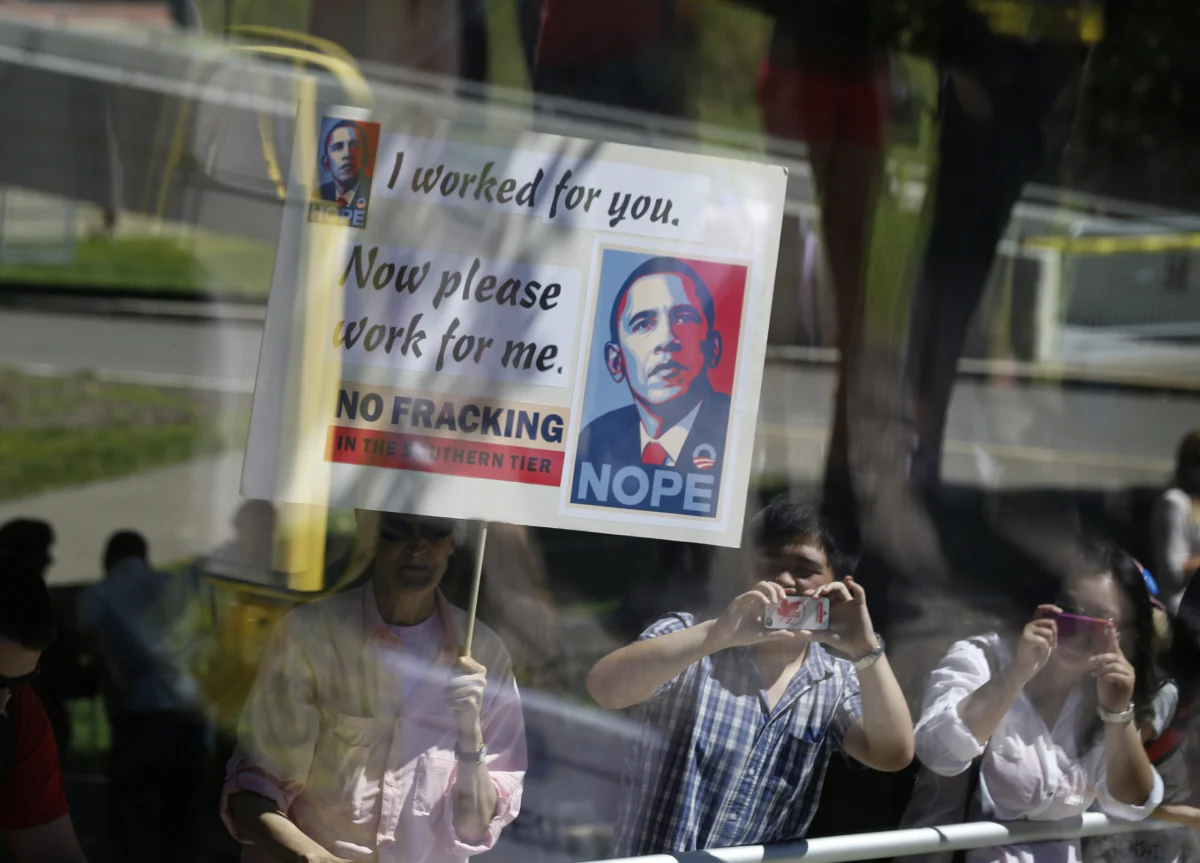
President Barack Obama (2009-2017) implemented several significant climate regulations, including the endangerment finding. However, his administration also presided over a substantial increase in oil and gas production driven by the hydraulic fracturing, or "fracking," boom. This process, which involves injecting high-pressure water, sand, and chemicals into rock formations to release oil and gas, has been linked to methane leaks, groundwater contamination, significant water usage, and localized air pollution. The expansion of fracking contributed to the US becoming the world’s largest oil and gas producer, potentially locking in long-term fossil fuel infrastructure.
The Biden Administration: Fossil Fuel Projects and Export Growth:
More recently, President Joe Biden (2021-present) has approved significant fossil fuel projects, such as the Willow project in Alaska. This project, approved in 2023, is projected to extract hundreds of millions of barrels of crude oil over its 30-year lifespan and is estimated to release substantial amounts of greenhouse gases. Additionally, the Biden administration has supported the growth of liquefied natural gas (LNG) exports by approving new export terminals and long-term licenses, enabling companies to secure multi-decade contracts to ship U.S. gas to international markets.
Is Environmental Policy a Partisan Issue?
The history of U.S. environmental policy reveals that the challenge of addressing climate change and environmental degradation is not strictly a partisan matter. While the Republican Party has increasingly adopted a stance that denies or downplays climate science, and the Democratic Party generally supports environmental protection, the underlying issue is more complex. Experts suggest that the pervasive influence of neoliberalism and a bipartisan consensus prioritizing economic growth have often led to the weakening of environmental regulations across administrations.
The United States once led the world in conservation efforts, notably with the establishment of its extensive national park system in the 19th century. However, the powerful influence of corporate interests, particularly within the fossil fuel industry, and a political system perceived as beholden to the business class have contributed to the nation’s slow progress on global warming.
Washington’s Global Environmental Footprint
Historically, the United States has been a leading contributor to global warming. U.S. environmental policy has often evolved as a reaction to the problems generated by industrialization and urbanization, with varying degrees of effectiveness and responsiveness to corporate influence. While some policies have been progressive, others have been limited or inadequate, particularly when corporate interests have been heavily involved.
The creation of the EPA by Republican President Richard Nixon in 1970 marked a period of bipartisan support for environmental protection. However, this consensus began to erode with the rise of pro-business politics in the 1980s, exemplified by President Reagan’s administration. Today, the Republican Party stands out globally for its widespread denial of established climate science, while the Democratic Party, to a degree, continues to advocate for environmental protection and climate-friendly policies.
The Global Repercussions of U.S. Policy
U.S. policy decisions concerning the environment have a significant ripple effect on the rest of the world. Due to its cultural influence and its role in global institutions like the International Monetary Fund, U.S. standards often shape policy elsewhere. Currently, the U.S. is actively promoting fossil fuel exports, even exerting pressure on allies who seek to forge new environmental agreements.
This pressure, coupled with rising global energy prices, appears to have influenced some European nations to reconsider their climate goals. The impact on international climate negotiations is also evident. Recent United Nations Climate Change Conferences have seen a decline in global climate ambition, with draft proposals failing to outline clear pathways for transitioning away from fossil fuels. The lack of explicit mention of "fossil fuels" in key proposals has drawn criticism from participating nations, highlighting the challenges in achieving global consensus on climate action. As the world grapples with the escalating climate crisis, the direction of U.S. environmental policy remains a critical factor in the collective effort to preserve a healthy planet for future generations.