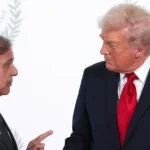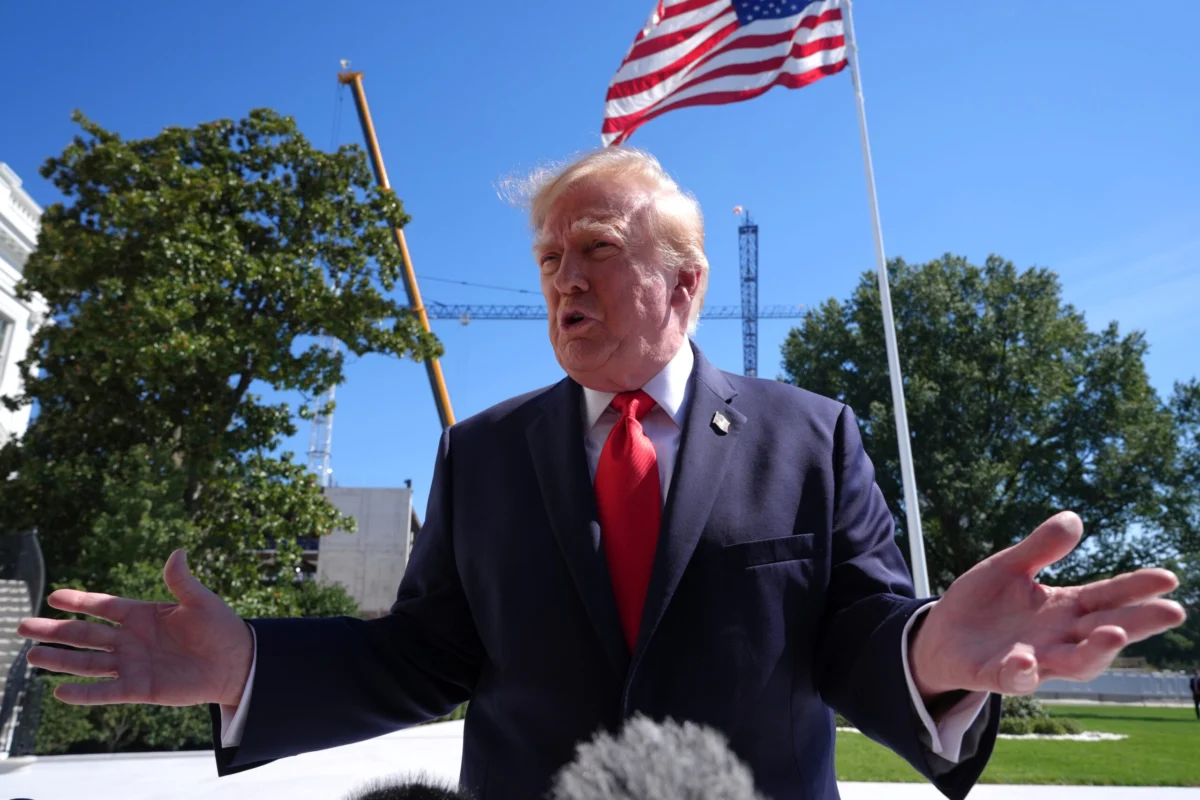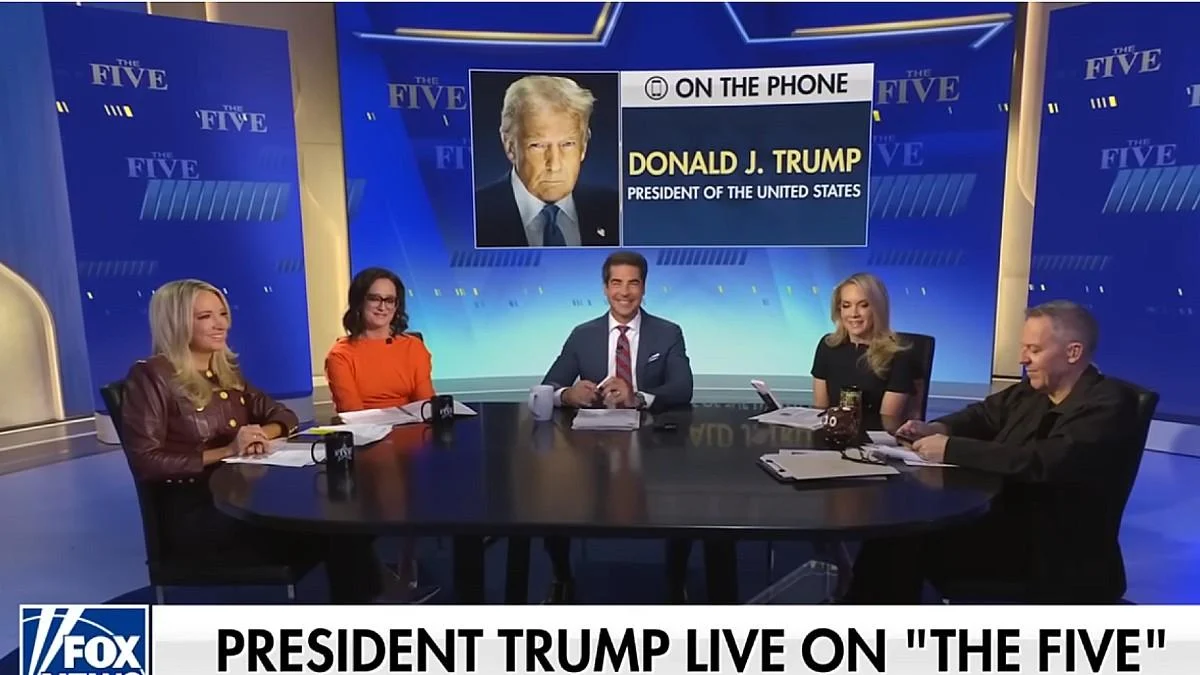
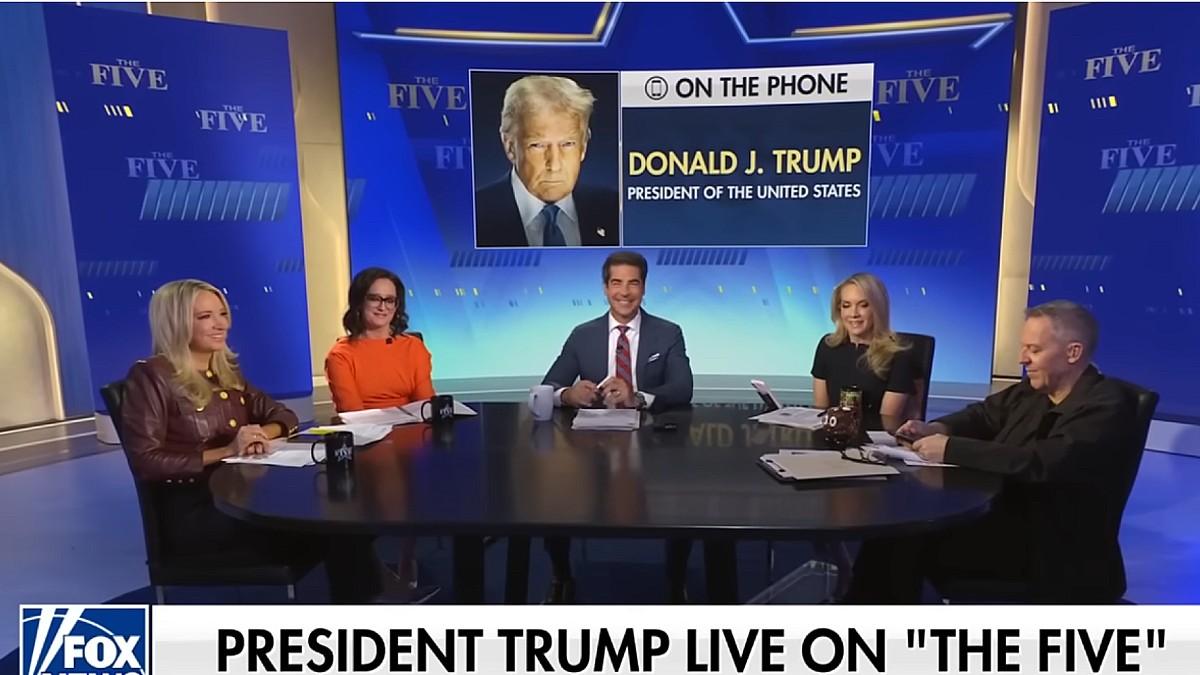
Former President Donald Trump, currently a leading figure in the political landscape, diverted from critical geopolitical discussions during a recent Fox News interview, making what many perceived as awkwardly flirtatious comments about host Dana Perino’s appearance. The exchange, which saw Trump joke about the "end of my political career" for complimenting a woman, occurred as Perino pressed him on the dire humanitarian situation, including famine, in Iran, prompting immediate public and media scrutiny.
Context of the Exchange
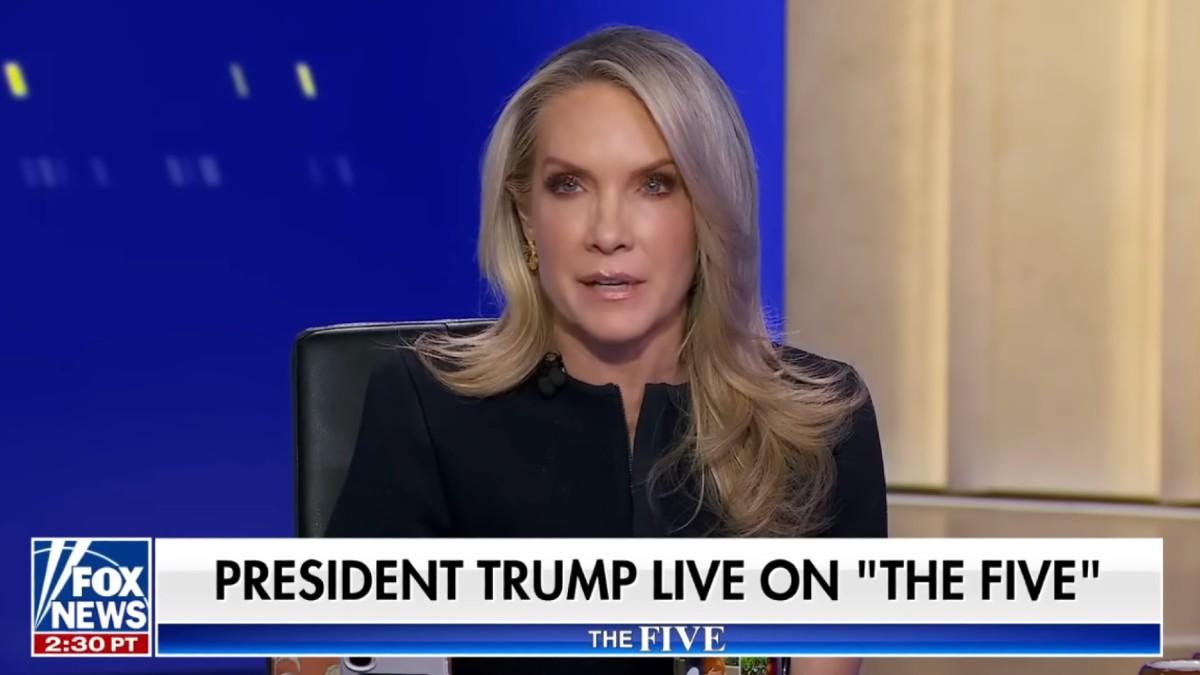
The incident took place during a call-in interview with Fox News’ The Five on Thursday, March 26, when Perino, a co-host of the popular program, posed serious questions regarding the well-being of the Iranian populace. She articulated concerns about the lack of information emerging from Iran, attributing it to internet shutdowns, and specifically inquired about the availability of basic necessities like drinking water and food for its citizens. This line of questioning aimed to elicit insight into a developing international crisis from the former commander-in-chief.
A Serious Inquiry Diverted
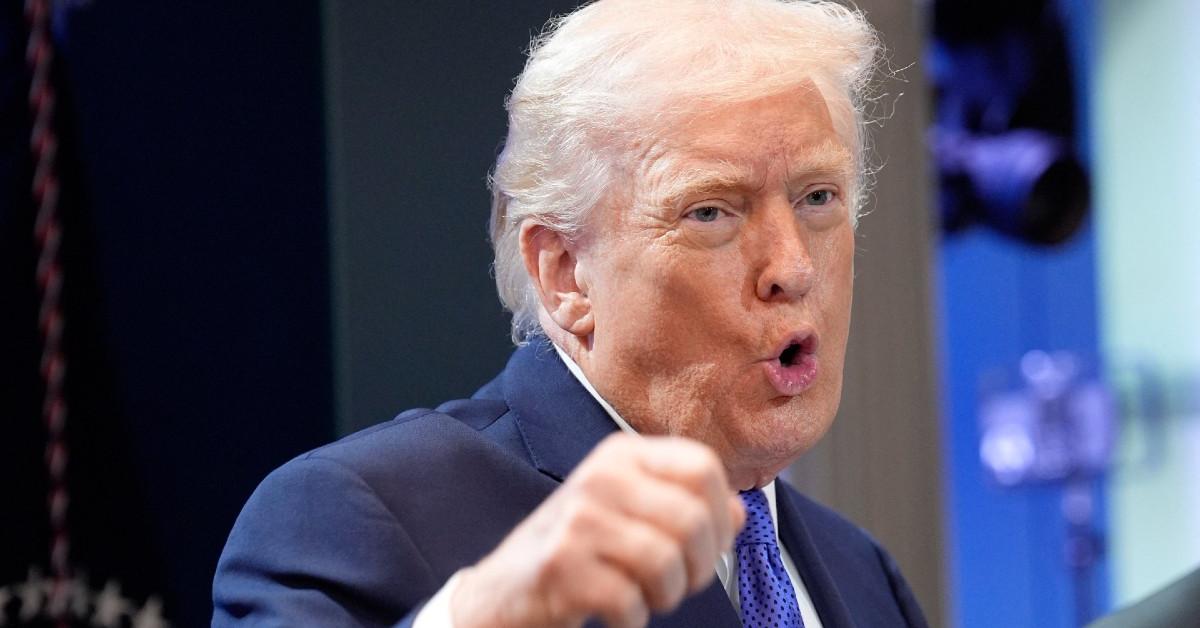
Instead of addressing Perino’s direct questions about the Iranian humanitarian situation, Trump steered the conversation in a personal direction. He began by reminiscing about a past lunch meeting with Perino years ago at the base of Trump Tower, a property he famously owns. Perino responded briefly, acknowledging the distant memory. Trump then proceeded to praise her appearance, noting, "You haven’t changed. You have not changed. I’m not allowed to say this… It’s the end of my political career. But you may be even better looking." He further emphasized his perceived transgression, stating, "So I don’t know what you’re doing… But I will not say that because it will end my political career. You’re not allowed to say a woman is beautiful anymore. You know that Jesse [Watters]? You have to be careful."
A Pattern of "Politically Incorrect" Remarks
This recent interaction with Dana Perino is consistent with a recurring pattern in Donald Trump’s public rhetoric, where he frequently uses the adjective "beautiful" to describe women, often prefacing or following the compliment with a self-aware, jocular remark about its "politically incorrect" nature or the potential professional repercussions. This rhetorical device has become a signature element of his public persona, often eliciting mixed reactions from his supporters and critics alike.
Echoes of Past Compliments
Throughout his political career, Trump has deployed this specific turn of phrase in various high-profile settings. During a Women’s History Month event at the White House, for instance, he informed the audience, "I’m not allowed to use the word ‘beautiful,’ but I’m using it anyway. Usually, it’s the end of your political career." Similarly, during a Cabinet meeting in March, he turned to then-Attorney General Pam Bondi, commenting, "Look at Pam. I would never say she was beautiful because that would be the end of my political career."

His propensity for such remarks extends beyond his immediate circle. At an October 2025 summit, Trump referred to Italian Prime Minister Giorgia Meloni as a "beautiful young woman," adding, "Now, if you use the word beautiful in the United States about a woman, that’s the end of your political career, but I’ll take my chances." A similar instance occurred in July 2025 during a peace signing ceremony, where he called an Angolan reporter "beautiful" both inside and out, acknowledging his press secretary’s advice against such "politically incorrect" comments. He has also complimented women in crowds and on his staff, such as Press Secretary Karoline Leavitt, at various rallies, consistently reiterating the "not allowed" caveat. These repeated instances underscore a deliberate, if often controversial, communication strategy.
Public and Critical Reception
The latest comments directed at Dana Perino quickly drew significant attention and criticism across social media platforms. One user on X (formerly Twitter) articulated a widely shared sentiment, posting, "Dana Perino asks President Trump, ‘Do you have any insight into how the Iranian people are doing? Do they have drinking water? Food?’ He responds with shameless flirting and talks about how good-looking she is. Remember the Epstein Files, nothing has changed." This reaction highlights the public’s frustration with the perceived disregard for serious issues and a reminder of past controversies.
Broader Implications for Political Discourse
Critics argue that Trump’s consistent use of such language, particularly when diverting from substantive policy discussions, trivializes important issues and reinforces problematic gender dynamics in professional settings. This approach is often seen as a calculated move to appeal to a segment of his base that appreciates his defiance of perceived "political correctness," while simultaneously alienating others who view it as disrespectful, misogynistic, or inappropriate for a figure of his political stature. The repeated invocation of the "end of my political career" joke suggests an awareness of the societal shift towards greater scrutiny of public figures’ comments on appearance, yet he chooses to engage with it in a way that often provokes rather than conforms.
A History of Controversial Rhetoric
Donald Trump’s public life has been punctuated by numerous controversies regarding his interactions with and comments about women, contributing to a complex and often polarizing public image. His remarks to Dana Perino are viewed by many as part of a long-standing pattern that has drawn significant criticism and legal challenges.
The Lingering Shadow of Past Incidents
One of the most infamous examples is the "Access Hollywood" tape, published by The Washington Post on October 7, 2016, just one month before the presidential election. In the video, Trump, then a presidential candidate, was recorded in 2005 having a lewd conversation with television host Billy Bush while on a bus en route to film an episode of Access Hollywood. In the footage, Trump described his unsuccessful attempt to seduce a married woman and spoke about his approach to women, stating, "I don’t even wait. And when you’re a star, they let you do it. You can do anything… Grab ’em by the p****. You can do anything." Despite the widespread outrage and calls for him to withdraw from the race, Trump went on to win the presidency later that year.
More recently, a judge confirmed that Trump sexually assaulted writer E. Jean Carroll, a ruling that has further intensified scrutiny of his conduct towards women. Additionally, his name has appeared in connection with the Jeffrey Epstein files, linking him, albeit indirectly, to a network associated with horrific crimes. These incidents, alongside a history of various accusations of misconduct, form a backdrop against which his seemingly innocuous, yet often criticized, comments about women’s appearances are frequently interpreted by the public and media. The persistence of such rhetoric, despite its documented impact on his public standing, indicates a consistent element of his communication style that has, paradoxically, coexisted with significant political success.
Navigating Political Fallout
The consistent nature of Donald Trump’s "politically incorrect" comments, particularly those regarding women’s appearances, has become a defining characteristic of his public persona. While these remarks often generate controversy and draw sharp criticism from opponents and media outlets, they also resonate with a segment of his political base that values his defiance of conventional political discourse and his willingness to speak his mind, regardless of the perceived impropriety. This dynamic suggests that what some view as a gaffe, others see as authenticity.
The immediate consequences of such comments, including the online backlash following the Dana Perino exchange, rarely appear to derail his political momentum in the long term. Despite the "Access Hollywood" tape and multiple accusations of misconduct, he has secured the presidency once and remains a dominant force in American politics, leading many to question the actual "end of my political career" he so often jokes about. His approach continues to challenge established norms of political conduct and public interaction, prompting ongoing debate about the standards expected of public figures and the evolving landscape of media scrutiny in the United States.