Conservative media personality Megyn Kelly publicly critiqued CNN anchor Kaitlan Collins, labeling her as "nasty" and asserting she is "never nice to the president," following former President Donald Trump’s recent speech where he launched sharp attacks against Collins and trans influencer Dylan Mulvaney. Kelly’s commentary, delivered on her talk show, defended Trump’s provocative remarks as a "clever" strategy to challenge what she perceives as liberal media hypocrisy, particularly regarding issues of gender identity and political criticism.
The Ongoing Friction Between Trump and Media
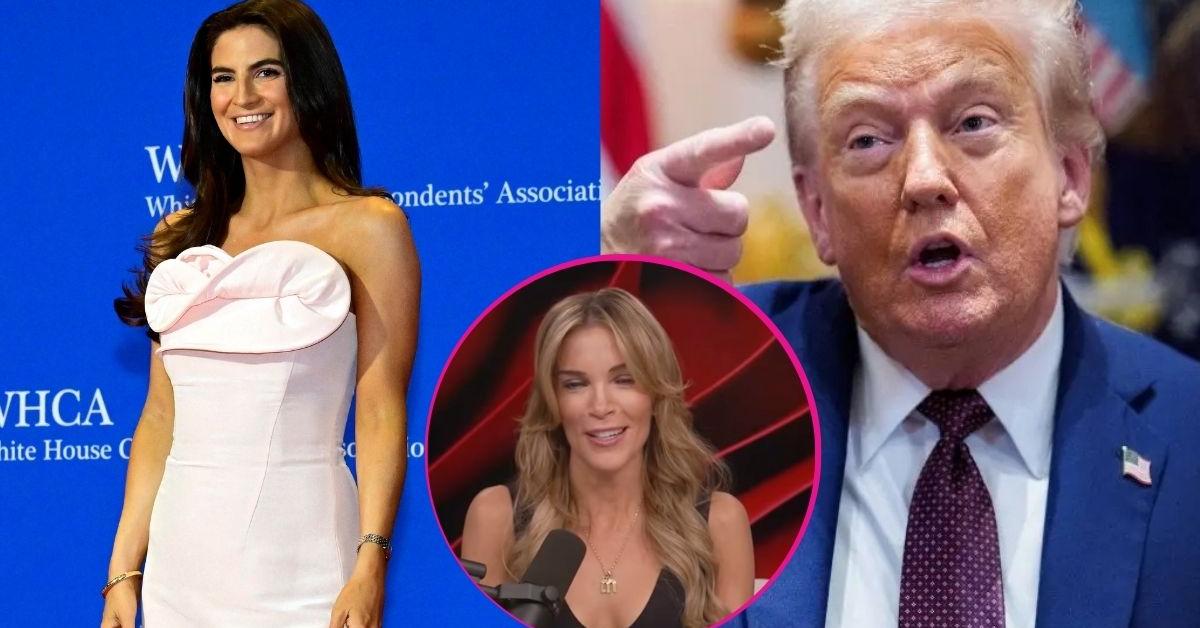
The incident underscores the deeply entrenched animosity between Donald Trump and segments of the mainstream media, a dynamic that has characterized his political career. Since his entry into national politics, Trump has frequently labeled news organizations he deems critical as "fake news" and has cultivated a combative relationship with journalists. This approach has often been reciprocated by media outlets, leading to a cycle of mutual distrust and heightened rhetoric. CNN, in particular, has been a frequent target of Trump’s criticism, often portrayed by him as a bastion of liberal bias.
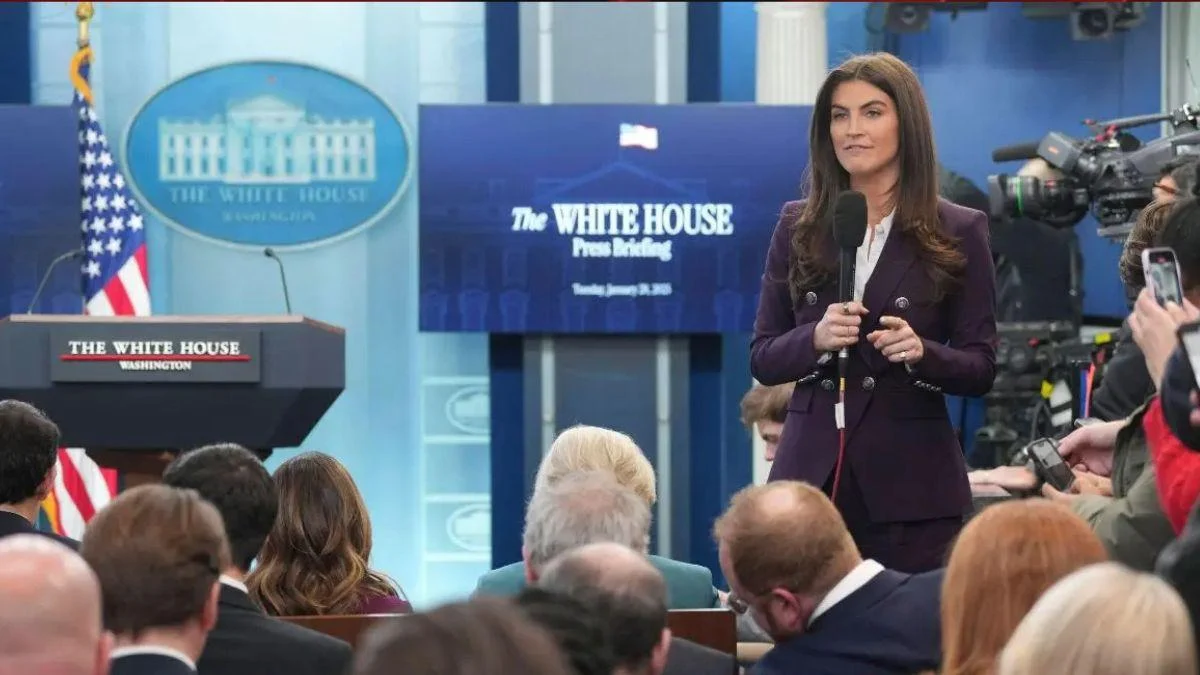
Kaitlan Collins has been a prominent figure in this contentious landscape. As a former CNN White House correspondent and now a prime-time anchor, she has had numerous high-profile, often confrontational, exchanges with Trump. Her interviewing style, characterized by direct and persistent questioning, has frequently drawn ire from the former president and his supporters. This historical context is crucial for understanding the intensity of Trump’s recent remarks and Kelly’s subsequent defense. Megyn Kelly herself has a complex history with Donald Trump, having famously clashed with him during the 2016 Republican primary debates, leading to a period of intense public feud. However, in recent years, Kelly has positioned herself more firmly within the conservative media sphere, often aligning with perspectives critical of mainstream outlets and liberal viewpoints. Her current commentary reflects this shift, offering a strong defense of Trump’s tactics against what she describes as a hostile press.
Trump’s White House Correspondents’ Dinner Remarks

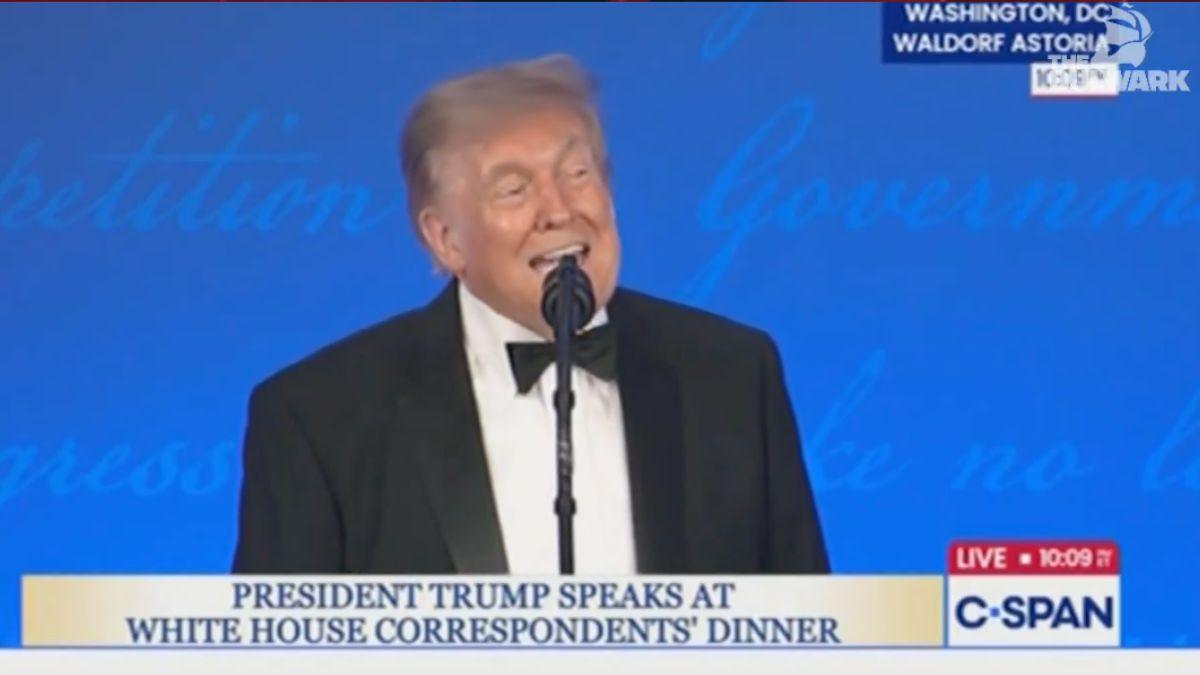
The catalyst for Kelly’s remarks was a speech delivered by Donald Trump on July 24, where he used the platform to mock and criticize several figures, including Kaitlan Collins. During his address, Trump took aim at Collins’ professional achievements, specifically referring to an award she had received as "fake" and implying she was undeserving of recognition. While also calling her "young" and "attractive," he sarcastically questioned why she "never smiles," urging her to do so. This blend of backhanded compliments and direct insults is a signature element of Trump’s rhetorical style, often designed to provoke and diminish his targets.
A particularly incendiary part of Trump’s speech involved a comparison between Collins and Dylan Mulvaney, a transgender influencer known for documenting her transition on social media. Trump alluded to the widely publicized controversy surrounding Mulvaney’s partnership with Bud Light, which led to significant conservative backlash and a widely reported boycott. He claimed, "I thought Kaitlan had really made it big with a major new sponsorship, but then I informed her that it wasn’t her on the Bud Light can, it was Dylan Mulvaney." Trump went on to assert that Mulvaney "cost Bud Light $35 billion in market cap," describing the commercial as "the worst commercial ever made." This comparison was clearly intended to be derogatory towards Collins and to further inflame conservative grievances surrounding gender identity and corporate engagement with the LGBTQ community. Beyond Collins and Mulvaney, Trump also incorporated his characteristic insults, noting that liberals were "upset because he referred to certain people as ‘fat,’" a common refrain in his public addresses.
Megyn Kelly’s Defense and the Culture Wars

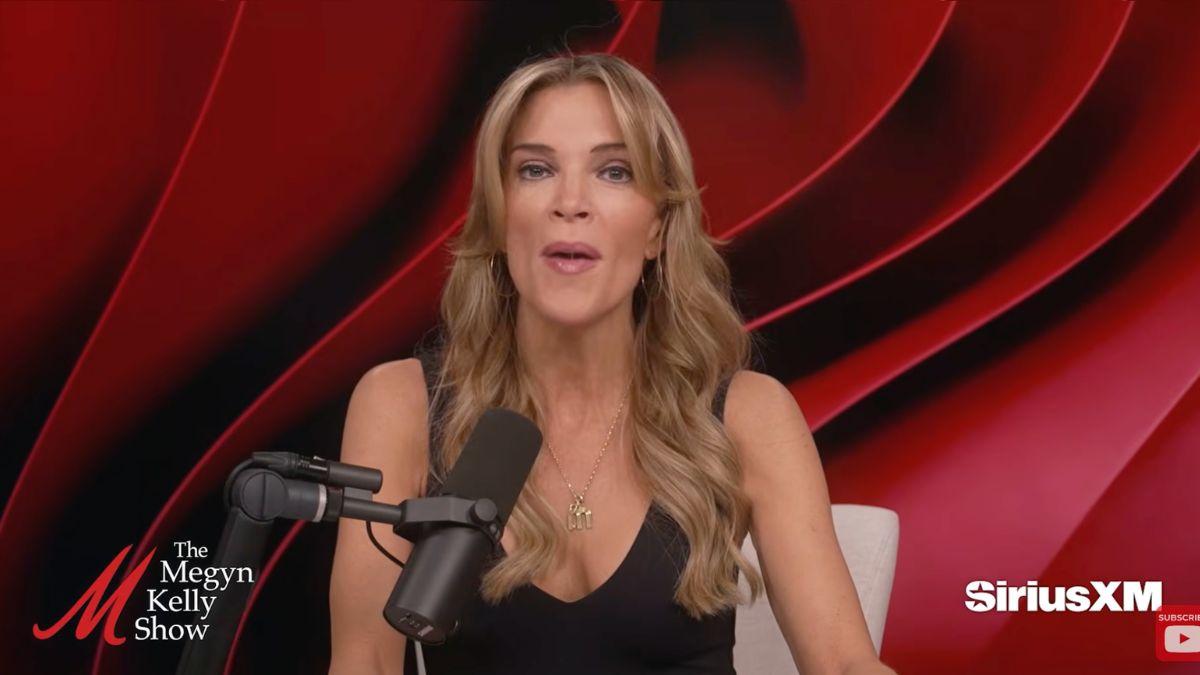
Megyn Kelly, on "The Megyn Kelly Show," provided an impassioned defense of Trump’s remarks, framing them as a justifiable response to perceived media bias. She argued that Trump’s aggressive stance stems from his awareness that "they all hate him," referring to liberal media figures like Kaitlan Collins. Kelly stated unequivocally that Collins is "never nice to the president and she’s always nasty," alleging that the CNN anchor is "always making negative commentary about him." This perspective positions Trump’s attacks not as unprovoked aggression, but as a reaction to persistent hostility.
Kelly further elaborated on what she described as the "cleverness" of Trump’s joke involving Dylan Mulvaney. She contended that the comparison was strategically designed to place "the left in such a difficult position," forcing them to "rip on a trans person — which they definitely don’t want to do." Kelly interpreted the backlash against Trump’s joke as evidence of its effectiveness in exposing what she sees as a contradiction within liberal discourse. She specifically highlighted the "insulting" nature of comparing Collins to Mulvaney, explaining, "Why is it insulting? Because Dylan Mulvaney’s a man. They just won’t close that circle." This comment directly challenges the gender identity of Mulvaney and criticizes what Kelly perceives as a reluctance among liberals to acknowledge biological sex when it conflicts with their political narratives. Kelly also dismissed criticism of Trump’s body-shaming comments, stating, "It’s kind of what Trump does," thereby normalizing his controversial rhetoric as a known aspect of his public persona. Her analysis suggests that Trump’s remarks are not merely insults but calculated moves in a broader culture war, designed to expose perceived inconsistencies and provoke reactions from his political adversaries.
Impact on Public Discourse
The exchange between Trump, Collins, and Kelly’s subsequent commentary significantly impacts public discourse by reinforcing existing political and cultural divides. Such high-profile spats contribute to the ongoing polarization of media consumption, where audiences often seek out news and analysis that confirms their pre-existing beliefs. Kelly’s platform, popular among conservative audiences, serves to validate their grievances against mainstream media and liberal cultural trends. Her critique of Kaitlan Collins as "nasty" and perpetually negative towards Trump plays directly into narratives of "liberal bias" and unfair media treatment of conservative figures.
Moreover, the inclusion of Dylan Mulvaney and the Bud Light controversy highlights the enduring potency of cultural flashpoints in political rhetoric. Trump’s remarks, amplified by Kelly, tap into conservative anxieties about gender identity, corporate responsibility, and perceived "wokeness." This fuels a cycle where political figures use cultural debates to rally their base, while media commentators like Kelly dissect these moments to reinforce partisan positions. The incident also reignites debates about journalistic ethics and the role of objectivity in news reporting. While many journalists argue for their right to hold powerful figures accountable, conservative critics often interpret persistent questioning as overt hostility or political activism. This fundamental disagreement continues to shape how politicians and the public interact with and perceive news coverage, especially concerning contentious political figures like Donald Trump.
Reactions and Consequences
The immediate fallout from Trump’s speech and Kelly’s defense has been largely predictable, solidifying existing partisan lines rather than shifting opinions. Kaitlan Collins herself responded to Trump’s shade with a cryptic social media post, which many interpreted as a subtle pushback without directly engaging in the back-and-forth. This approach is often adopted by journalists seeking to maintain a degree of professional distance while acknowledging public attacks. The broader media landscape saw commentators from across the political spectrum either condemning Trump’s remarks as inappropriate and misogynistic or defending them as legitimate political theater and deserved criticism of a biased press.
The incident further underscores the challenge facing news organizations in an era of extreme political polarization. Journalists like Collins often find themselves caught between the imperative to report critically on powerful figures and the risk of becoming the story themselves, subject to personal attacks and characterizations that can undermine their professional standing. For conservative commentators like Megyn Kelly, these moments offer opportunities to reinforce their brand as outspoken critics of perceived liberal establishments, connecting with audiences who feel similarly alienated by mainstream narratives. The "Bud Light boycott" reference by Trump, and its reiteration by Kelly, ensures that the cultural and economic implications of corporate stances on social issues remain a prominent talking point, indicating a continuing strategy by conservative figures to pressure companies on such matters. Ultimately, this cycle of provocation, defense, and public reaction ensures that the contentious relationship between Donald Trump, the media, and the broader culture wars remains a central feature of the political environment.
This ongoing dynamic between political figures and the media, characterized by sharp personal attacks and partisan commentary, shows no signs of abating. As the next election cycle approaches, such confrontations are likely to intensify, further shaping public perceptions and reinforcing the deeply divided nature of contemporary American political discourse. The ability of figures like Donald Trump to leverage media attention, even negative, to his advantage, and the willingness of commentators like Megyn Kelly to interpret these actions within a broader ideological framework, highlights the complex and often confrontational landscape of modern political communication.