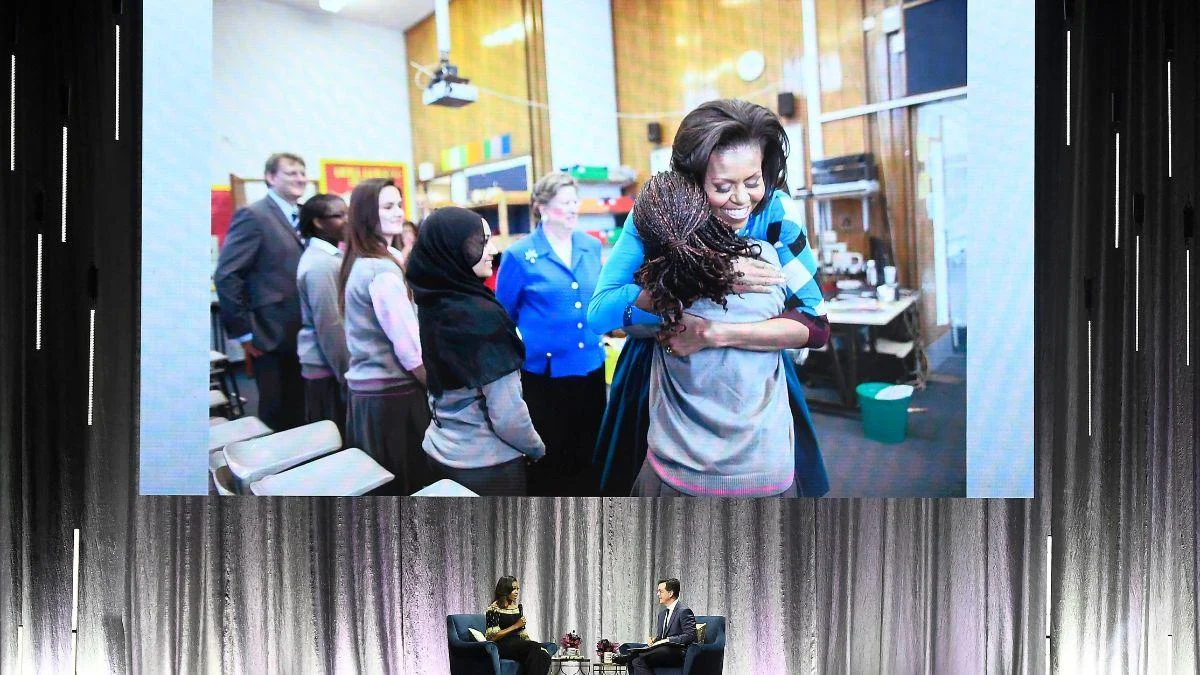
Melania Trump’s recently released documentary, Melania, has faced significant headwinds since its January 30 theatrical debut, with its box office performance notably underperforming expectations and public discourse dominated by unfavorable comparisons to Michelle Obama’s critically acclaimed 2020 film, Becoming. The project, chronicling the final 20 days before Donald Trump’s anticipated return to the White House, has struggled to find its footing amidst a highly polarized media landscape.
The Landscape of First Lady Documentaries
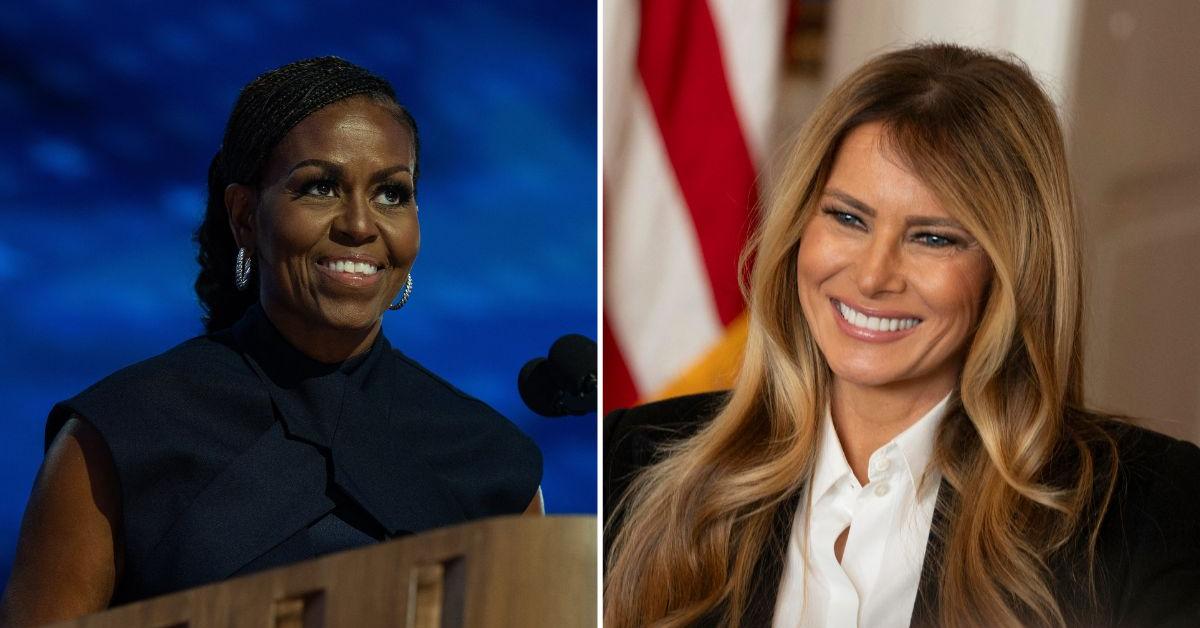
Biographical films and documentaries about First Ladies have long served as a platform for these influential figures to shape their narratives, reflect on their time in public service, and connect with a broader audience beyond the political sphere. Such projects often delve into personal journeys, challenges, and contributions, offering a more intimate perspective than typical news coverage. Historically, these films have varied widely in scope and success, but in recent years, they have become significant cultural touchstones, particularly in the streaming era.
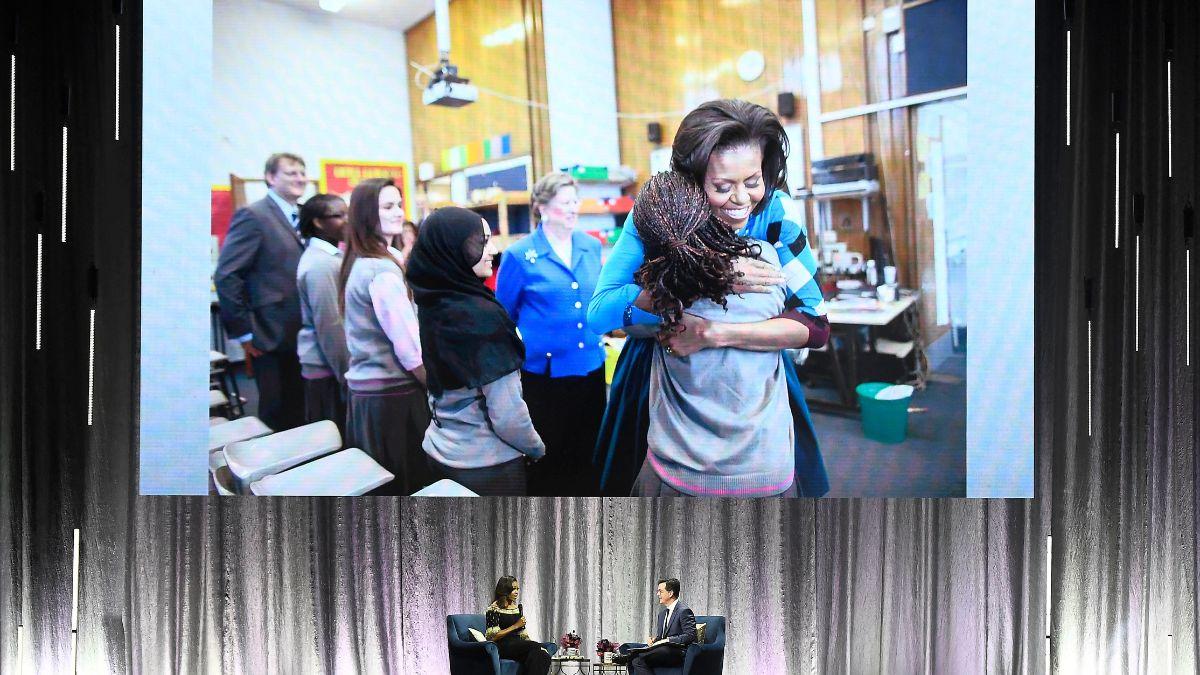
Michelle Obama’s Becoming, which premiered on Netflix in 2020, set a high bar for this genre. Based on her best-selling memoir, the documentary captured her post-White House book tour, exploring themes of identity, community, and the power of storytelling. It garnered widespread critical acclaim for its authenticity and emotional resonance, resonating deeply with audiences and quickly becoming one of Netflix’s most-watched films. Its success established a clear benchmark for First Lady documentaries, both in terms of artistic merit and commercial reach.
"Melania" Documentary’s Box Office Performance Falls Short
Melania launched into theaters with a significant budget of $40 million, financed by Amazon MGM Studios, signaling a substantial investment in the former First Lady’s story. However, its initial box office returns have painted a challenging picture. In its opening weekend, the documentary managed to secure only $7 million, placing third in overall box office rankings. This modest start was followed by an identical $7 million haul in its second weekend, bringing its global cumulative total to $14 million.
These figures fall considerably short of the ambitious financial targets set by the studio, especially when weighed against its hefty production cost. An insider close to the film’s production indicated that while the numbers were not catastrophic, they were undeniably "lower than many expected." The narrative arc of the film, focusing on the highly speculative period leading up to a potential second Trump presidency, was intended to tap into a specific political fervor, but it appears to have had limited appeal beyond a dedicated base.
Echoes of "Becoming": A Critical Comparison

From the moment Melania was announced, and particularly following its release, a torrent of comparisons to Becoming began to surface across traditional and social media platforms. Critics and viewers alike were quick to highlight striking similarities in conceptual approach, narrative style, and even promotional aesthetics. Both documentaries aim to provide an intimate look into the life of a former First Lady, exploring their personal journey and public role. However, the perceived execution and reception have diverged sharply.
Online, the sentiment was often critical, with many accusing Melania of lacking originality. One widely circulated social media comment encapsulated this frustration, stating, "Once again she just copied Michelle Obama’s documentary BECOMING! The lady can’t be original if she tried." This viewpoint suggested that the film was not merely treading similar ground but was actively attempting to replicate the successful formula of its predecessor without establishing its own unique voice or compelling narrative. The stark contrast in public perception between the two women amplified these comparisons, making it difficult for Melania to be judged on its own merits.
Social Media Fuels the Debate
The digital sphere became a primary battleground for the documentary’s reception. As Melania premiered, Becoming experienced a renewed surge in popularity on Netflix, climbing to the No. 6 spot on the streaming giant’s charts just ahead of its rival’s release. This coincidental timing fueled a viral campaign where numerous social media users actively encouraged their followers to stream Becoming as an alternative to purchasing tickets for Melania, effectively boycotting the new film and further highlighting the perceived creative debt.
Adding another layer of controversy, an incident occurred on Netflix where Becoming was briefly and erroneously categorized under "children’s content." While Netflix officially attributed this to an internal system error, the timing immediately sparked speculation among some online commentators regarding potential political interference, with whispers of influence from Donald Trump’s camp. One user sarcastically remarked, "I’ll give him this – he gives delusional a whole new meaning," reflecting a broader skepticism about the objectivity surrounding the Trump family’s media endeavors. This incident, regardless of its true cause, only intensified the online debate and drew more attention to Becoming at Melania‘s expense.
Political Undertones and Presidential Defense
The political backdrop against which Melania was released is inseparable from its reception. The documentary’s focus on Donald Trump’s "anticipated return to the White House" inherently positions it within a highly charged political narrative, likely appealing primarily to his base rather than a broader, more diverse audience. This contrasts with Becoming, which, while political in its subject matter, often transcended partisan lines due to its focus on universal themes of empowerment and personal growth.
Amidst the swirling criticism and underwhelming box office figures, Donald Trump himself stepped forward to vociferously defend his wife’s cinematic venture. He lauded Melania as a "top model" and a "top movie star," attempting to frame the documentary as a major success and a testament to her enduring appeal. To bolster support and visibility, he even hosted a special screening of the documentary at the Trump-Kennedy Center, leveraging his own platforms and connections to promote the film. However, these efforts appear to have had limited impact on the broader public or critical consensus, underscoring the challenges of promoting a politically charged cultural product in an already saturated market.
Navigating Public Perception and Future Prospects
The struggle of Melania in the shadow of Becoming raises significant questions about the strategies involved in crafting and releasing biographical content from high-profile political figures. For Amazon MGM Studios, the $40 million investment and subsequent underperformance represent a considerable financial miscalculation, prompting internal reevaluation of projects tied to specific, polarizing political personalities. The reputational impact for Melania Trump herself is also notable, as the film was ostensibly meant to further define her public image and legacy, but has instead become another flashpoint for criticism regarding originality and perceived authenticity.
The experience of Melania highlights the inherent difficulties in producing a documentary about a contemporary political figure, especially one as divisive as Melania Trump, without it being immediately filtered through a partisan lens. The comparison to Michelle Obama’s Becoming wasn’t just about superficial similarities; it underscored a fundamental difference in how the public perceives the narratives and public personas of these two First Ladies. As the film concludes its theatrical run and potentially moves to streaming platforms, its long-term legacy will undoubtedly be intertwined with the ongoing debate about its artistic merit, commercial viability, and the inescapable shadow of its acclaimed predecessor. The outcome of this cinematic endeavor offers a compelling case study in the intersection of politics, celebrity, and the unforgiving landscape of modern media.