Under the constant threat of incoming missiles, Israel’s public sphere has been significantly curtailed, with schools shuttered, cultural events canceled, and public gatherings restricted, creating an atmosphere where dissent struggles to find a voice amidst the pervasive fear and exhaustion. The ongoing conflict, described by some as a "United States-Israeli war on Iran," has imposed a de facto lockdown on open expression, forcing citizens to prioritize immediate safety over political engagement. This widespread disruption to daily life is not only a physical challenge but also a profound psychological one, impacting the very fabric of Israeli society.
The operational reality on the ground dictates a cautious and subdued public existence. Police orders have shuttered schools and banned large assemblies, measures ostensibly designed for civilian protection but which also effectively stifle any significant public opposition to the war. While small-scale demonstrations, like those organized by the Israeli-Arab activist group Zazim, do surface in urban centers, they operate under stringent supervision. Activists report being warned by authorities to disperse at the sound of air raid sirens or when crowds exceed what commanders deem safe, effectively limiting the scope and impact of any protest.
Raluca Ganea, co-founder and executive director of Zazim, articulated the profound impact of this enforced quietude. "Kids aren’t going to school, while employers are insisting their parents go to work," Ganea stated, highlighting the conflicting demands placed upon citizens. She described a populace overwhelmed by the relentless cycle of missile alerts and daily survival, leaving little mental or emotional bandwidth for political discourse. "Everyone is too overwhelmed by the daily grind to voice any dissatisfaction," she added, painting a picture of a society under immense pressure.
The constant threat of missile attacks has created a state of perpetual anxiety. "We’re enduring multiple missile attacks daily, which means people aren’t sleeping," Ganea observed. She drew a stark analogy, stating, "It’s like a manual for tyrants. It’s how you suppress protest or opposition and it’s working so far." This sentiment underscores the unintended consequences of the conflict, where defensive measures inadvertently contribute to an environment hostile to free expression.
Zazim’s efforts to organize anti-war protests have been met with apathy, not due to a lack of conviction, but a profound exhaustion. "We’ve attempted a couple of protests, but people are just too tired to engage," Ganea explained. The unpredictability of missile strikes renders organized public assembly a precarious endeavor. "It’s not so much that people are telling you that you can’t so much as protesting becomes impossible when a missile attack could happen at any time," she elaborated. This practical impediment, more than overt prohibition, effectively silences dissent.
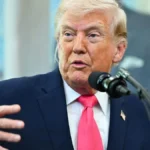
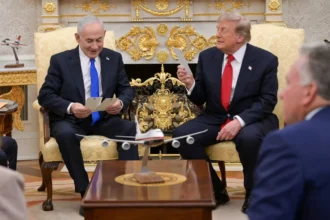
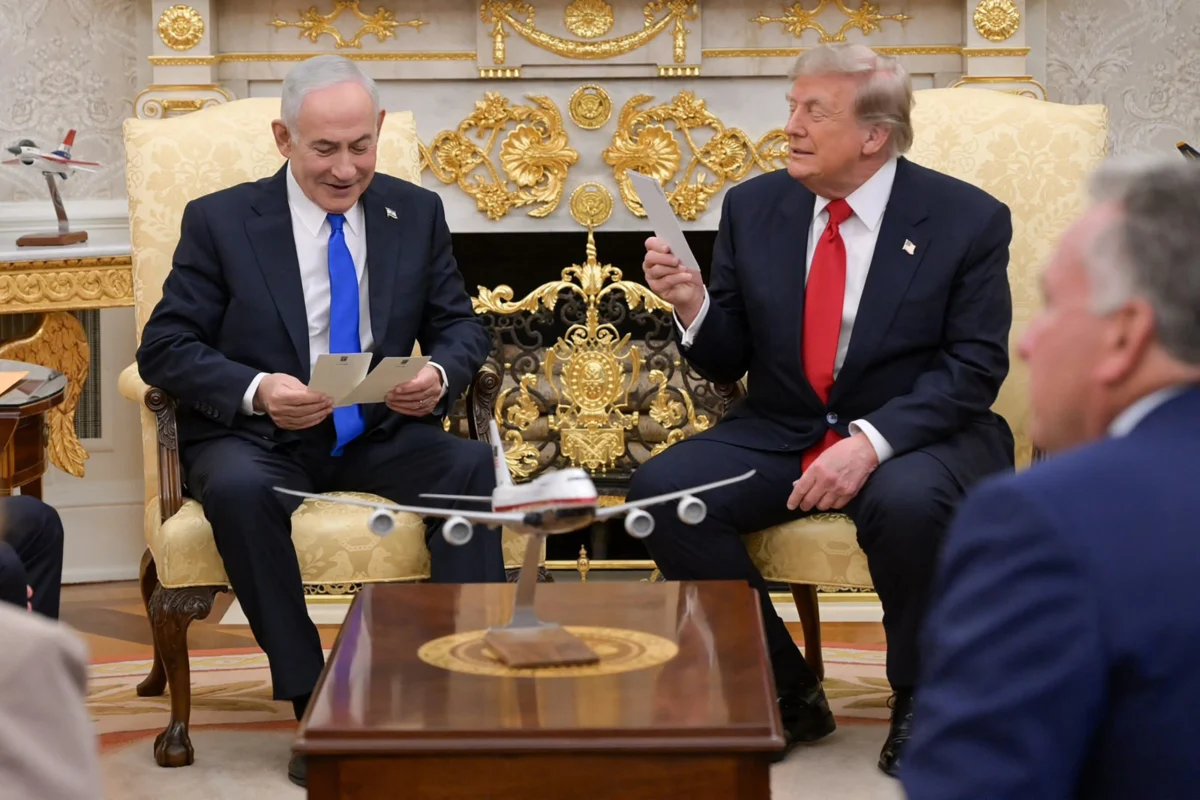
Despite the challenges to public expression, initial polls indicated strong support for the war effort in Israel. However, Ganea warned that this unity might be fragile, susceptible to erosion as public exhaustion deepens and resentment simmers over decisions made by distant leaders. The perceived lack of investment in the welfare of ordinary Israelis by figures like Prime Minister Benjamin Netanyahu and U.S. President Donald Trump could, she cautioned, lead to societal fractures mirroring those seen during the conflict in Gaza.
The feeling of helplessness is a palpable byproduct of the ongoing crisis. "It’s depressing," Ganea admitted. "The only response people have is to feel helpless when their fate is in the hands of people like Trump and Netanyahu, who really don’t care about them." This sentiment of being abandoned by leadership can be a potent catalyst for future discontent, even if it is currently suppressed by immediate threats.
Those who have dared to voice opposition publicly face ostracization and harassment. Nineteen-year-old Itamar Greenberg shared his personal experience of being spat at and verbally abused in the streets of his hometown near Tel Aviv. "It comes in waves," he described of the "traitor" and "terrorist" accusations leveled against him. Greenberg, while rejecting the label of terrorist, appears resigned to being branded a traitor if it means contributing to an end to the war.
Greenberg noted that his anti-war stance is viewed as crossing a significant line, particularly within his university environment. He contrasted this with potential understanding for opposition to actions in Gaza, particularly concerning the fate of hostages. However, opposing the war on Iran, which is widely framed as an existential threat, is considered beyond the pale by many. "For instance, because of the [danger to the Israeli] hostages, some people could understand opposition to the genocide on Gaza, but opposing the war on Iran, the great evil, is somehow too much," he explained.
Rising Censorship and Information Control
Beyond the immediate physical dangers, a more insidious form of control is taking root: rising censorship. Journalists and activists like Greenberg report a pervasive atmosphere of self-policing and a chilling effect on open discourse. This environment, they argue, leaves Israelis less informed about the war’s consequences than citizens in Iran, a group that Israeli media outlets often encourage their audiences to pity.
In a nation historically unified against perceived existential threats, criticism, dissent, or outright opposition is often viewed by the majority as unacceptable. This deeply ingrained societal norm has been reinforced by long-standing mechanisms of information control. The Israeli military censor’s office, established even before the state’s inception in 1948, has historically played a significant role in shaping media narratives.

The current conflict has seen a re-tightening of these restrictions. New wartime regulations, implemented in early March, limit what can be broadcast regarding Iranian missile barrages. These restrictions dictate what information can be shared about the trajectory, landing sites, and extent of damage caused by these attacks, leading to a situation where many incidents go largely unreported, according to Israeli journalists.
The magazine +972 meticulously documented instances of this censorship. In one case, journalists were permitted to report on debris impacting an educational facility but were forbidden from mentioning the Iranian missile strike that had successfully hit a nearby target. Furthermore, they were denied access to the impact site for investigation.
In another disturbing account reported by +972, reporters photographing damage to a residential building were approached by an individual believed to be affiliated with a security agency. This individual pressured police to prevent journalists from recording the actual target of the attack, located behind the damaged civilian structure. A police officer reportedly remarked that the journalists would not have noticed the true target without being directed to it, as the visible destruction was concentrated on the civilian building.
Meron Rapoport, an editor at +972’s sister publication, Local Call, told Al Jazeera that censorship, which had seen some relaxation in recent years, has been significantly tightened during the current war. "We don’t really know what is being or with what explosives," Rapoport stated, referring to the limited information available about strikes. He noted the IDF’s consistent announcements of strikes on "uninhabited areas," finding this peculiar given the dense urban environment of Tel Aviv.
The Reality of Missile Impacts
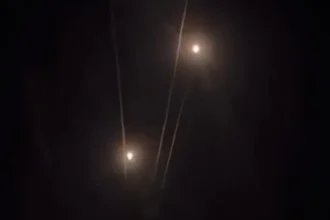
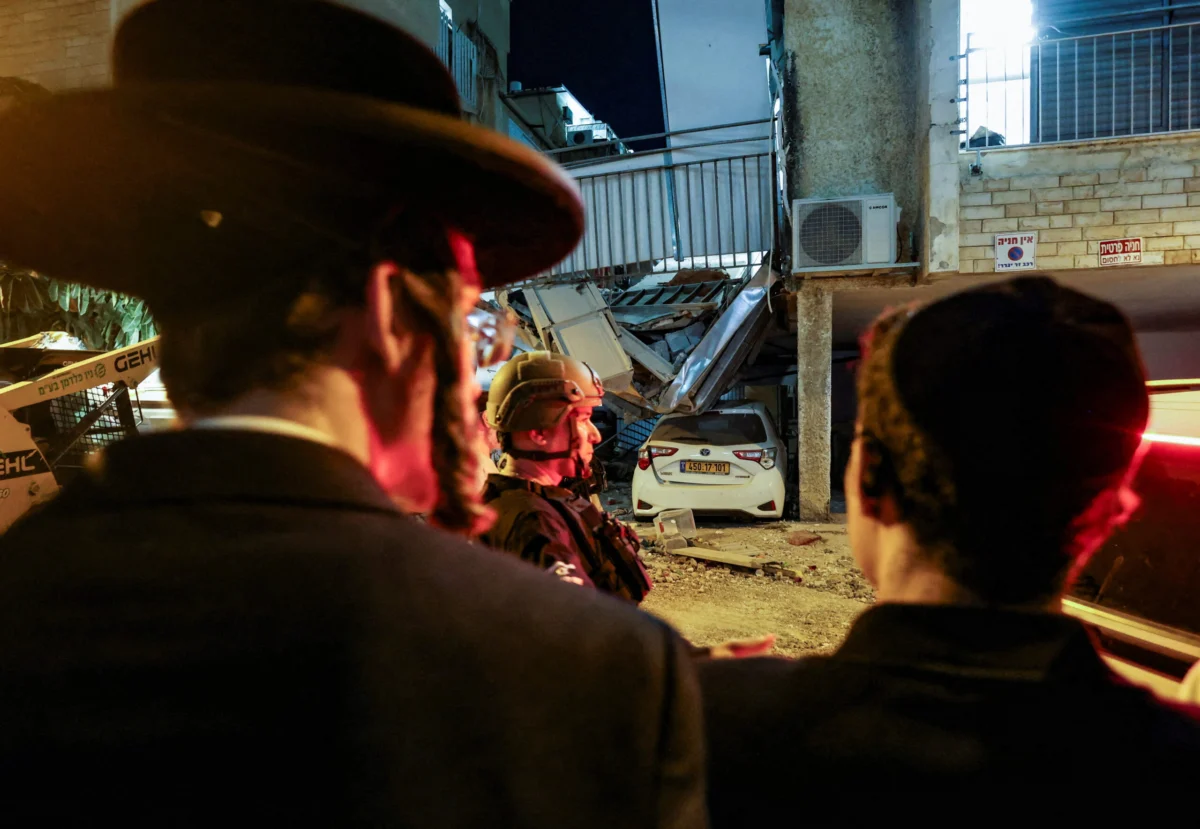
Despite official pronouncements, Iran has launched multiple missile attacks targeting Tel Aviv, resulting in tangible damage and casualties. These impacts stem directly from the missiles themselves or from falling debris following interception attempts. Recent incidents, such as a barrage on a Tuesday, triggered air raid sirens across the city, causing significant damage, including gaping holes in a multi-story apartment building.
Magen David Adom, Israel’s emergency medical service, confirmed that six individuals sustained minor injuries across four different locations during these attacks. This stands in contrast to official narratives that often downplay the direct impact on populated areas.
Rapoport highlighted the ironic disconnect between public perception and reality. "Israeli commentators are always saying how the Iranian public has no real idea how badly they’re being hit," he observed. "The irony is that they probably have a better idea of how hard Israel is being hit than most Israelis." This suggests that the information flow within Israel is heavily curated, leaving its own citizens with an incomplete picture of the conflict’s toll.
The Home Front Under Siege
The dual pressures of constant missile threats and a constricted public sphere are profoundly shaping life on Israel’s home front. The closure of schools, while a necessary safety measure, disrupts the routines of families and places additional burdens on parents. The insistence that parents report for work while children are out of school creates a difficult dichotomy, forcing individuals to navigate immediate personal needs alongside broader societal demands.
This environment of fear and uncertainty is fertile ground for societal divisions to deepen. While initial broad support for the war may have been present, the sustained psychological toll, coupled with perceived indifference from leadership, could erode that consensus over time. The experience of living under constant threat, with the knowledge that one’s safety is dictated by geopolitical forces and distant leaders, can foster a sense of disenfranchisement.
The historical context of Israeli society, with its ingrained norms of national unity in the face of existential threats, makes open dissent particularly challenging. The mechanisms of censorship, both official and self-imposed, further complicate the landscape. Citizens are left to piece together information from a heavily filtered media, often relying on word-of-mouth or indirect observations to understand the true extent of the conflict’s impact.
The experiences of individuals like Raluca Ganea and Itamar Greenberg offer a glimpse into the personal cost of this enforced silence. Their testimonies reveal a society grappling with fear, exhaustion, and a growing sense of powerlessness. As the conflict continues, the resilience of Israel’s home front will be tested not only by the external threat of missiles but also by the internal challenge of maintaining a vibrant public sphere and open dialogue amidst unprecedented pressure. The long-term consequences of this period of restricted expression and heightened anxiety remain to be seen, but the immediate impact is a nation holding its breath, waiting for the skies to clear and for the silence below to be broken by more than just the distant rumble of conflict.