An unprecedented humanitarian crisis is unfolding in Lebanon as Israel’s military escalates its evacuation orders, forcing over a million people from their homes in southern areas. The directive, which mandates that all residents south of the Zahrani River relocate north immediately, carries a stark warning: failure to comply may result in endangered lives due to ongoing Israeli military operations. This edict significantly expands the previously established evacuation zones, now encompassing vast swathes of territory deemed to house alleged Hezbollah positions.

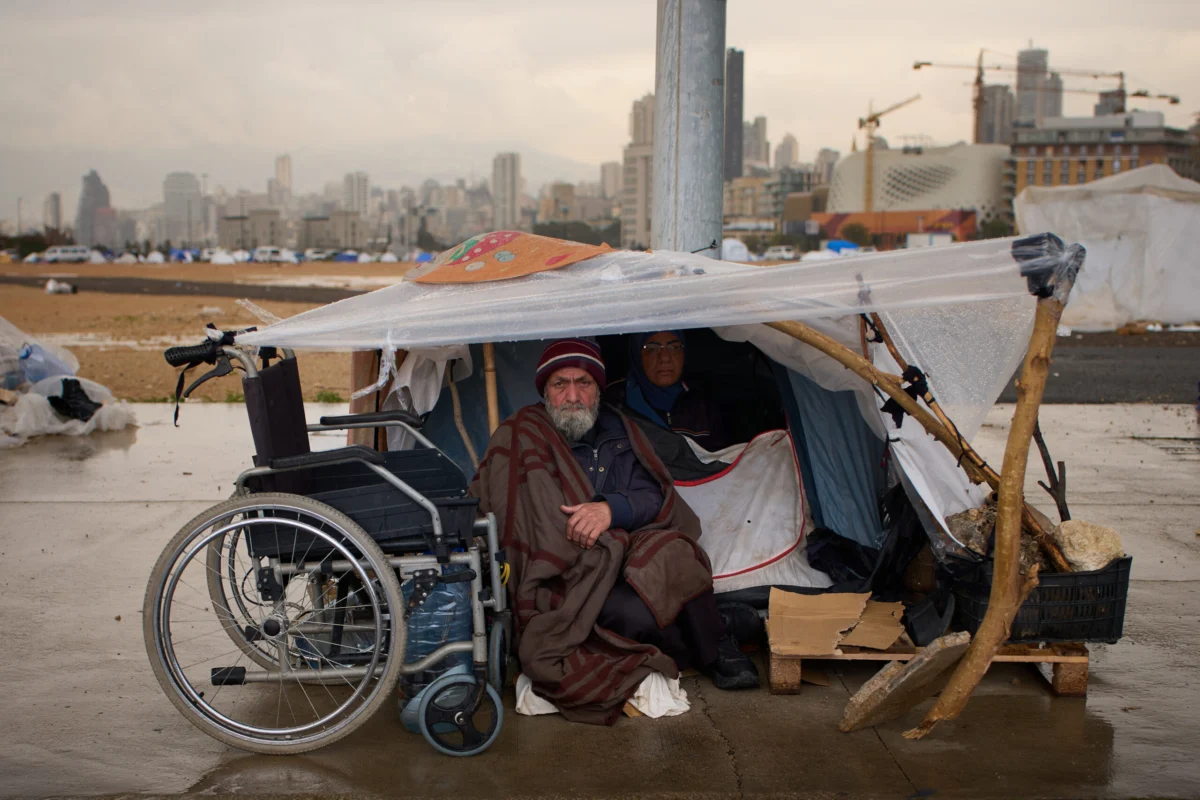
The scale of displacement is staggering, representing more than 18 percent of Lebanon’s total population. According to the International Organization for Migration, as of early March, a staggering 1,049,328 individuals have been registered as displaced. This surge has overwhelmed existing infrastructure, with 132,742 people crammed into overcrowded collective shelters. For many, the lack of adequate housing means sleeping on streets, in vehicles, or in any available public space, highlighting the dire humanitarian conditions.
Escalating Evacuation Orders and Military Presence
The Israeli military’s latest directive extends the forced evacuation zone from the Litani River northward, beyond the Zahrani River, a significant geographical expansion approximately 40 kilometers (25 miles) north of the Israeli border. This order, according to the Norwegian Refugee Council, covers an area exceeding 1,470 square kilometers (568 square miles), accounting for about 14 percent of Lebanon’s total landmass. Over 100 towns and villages are directly affected by these evacuation mandates, fundamentally altering the demographic and social landscape of southern Lebanon.

Concurrently, Israeli ground forces have intensified their presence along the border in southern Lebanon. Officials have articulated the objective as the establishment of a "buffer zone," a strategic move aimed at creating a security perimeter. This heightened military posture exacerbates the sense of insecurity and urgency for the civilian population caught in the crossfire.
A Mass Exodus and Regional Impact
The devastating impact of these evacuations is not confined within Lebanon’s borders. In a two-week period alone, more than 250,000 people have fled the country, a figure representing a 40 percent increase in departures since late February. Neighboring Syria has become a primary destination for those seeking refuge. By March 17, over 125,000 individuals, nearly half of whom are children, had crossed into Syria. While the majority of these refugees are Syrian nationals returning or seeking safety, approximately 7,000 Lebanese citizens have also been compelled to leave their homeland.

The logistical challenges for those attempting to flee have been further compounded by the destruction of key infrastructure. Israel has reportedly destroyed bridges across the Litani River, severing vital transportation links that connect southern Lebanon to the rest of the country. This action severely restricts escape routes and impedes the delivery of humanitarian aid to the affected regions.
Humanitarian Crisis and Overwhelmed Resources
The sheer volume of displaced individuals has placed an immense strain on Lebanon’s already fragile resources. Images emerging from the region depict families sheltering in makeshift tents along the coast and in temporary encampments, often exposed to the elements. The lack of adequate sanitation, clean water, and medical facilities in these informal settlements poses significant public health risks.

Aid organizations are struggling to meet the escalating needs. The overwhelming numbers of displaced persons have stretched the capacity of collective shelters beyond their limits, forcing a growing number of families to seek refuge in open spaces, cars, or abandoned buildings. The psychological toll on civilians, particularly children who have witnessed conflict and displacement, is profound and will have long-term consequences.
Background of Escalating Tensions
The current wave of evacuations is a direct consequence of intensified hostilities between Israel and Hezbollah along the Lebanon-Israel border. These exchanges of fire have been ongoing for months, escalating significantly in recent weeks. Israel has stated its actions are in response to rocket fire and attacks originating from Hezbollah positions, while Hezbollah asserts its operations are in solidarity with Palestinians in Gaza.

The Zahrani River, now a key demarcation for the evacuation orders, is situated significantly north of the Litani River, which has historically served as a de facto boundary in previous escalations. This expansion of the operational area signals a potentially broader and more prolonged conflict. The stated goal by Israeli officials to establish a "buffer zone" suggests a strategic intent to create a demilitarized area or a zone of reduced military activity along its northern border.
International Concern and Regional Instability
The escalating humanitarian crisis in Lebanon has drawn international concern, with various UN agencies and humanitarian organizations calling for unimpeded access for aid and protection of civilians. The scale of displacement threatens to destabilize the region further, placing a significant burden on neighboring countries, particularly Syria, which is already grappling with its own protracted conflict and economic challenges.

The destruction of infrastructure, such as the Litani River bridges, has broader implications for Lebanon’s economic recovery and the movement of goods and people. This, coupled with the mass displacement, exacerbates an already precarious economic situation in the country.
The Human Cost of Conflict
The stories of individuals caught in this crisis underscore the immense human cost. Families are torn apart, livelihoods are destroyed, and a generation of children faces disrupted education and the trauma of displacement. The images of families huddling for warmth around bonfires in temporary shelters or men sifting through the rubble of their homes paint a stark picture of the daily reality for hundreds of thousands.

The long-term implications for Lebanon are substantial. The mass displacement could lead to significant demographic shifts, strain social services for years to come, and hinder any prospects for economic recovery. The repeated cycles of conflict and displacement have eroded the resilience of communities in southern Lebanon, leaving them more vulnerable with each escalation.
Looking Ahead: Challenges and Uncertainties
The immediate future for the displaced populations in Lebanon remains uncertain. Without a cessation of hostilities and a viable long-term solution, the humanitarian crisis is likely to deepen. The international community faces the challenge of providing sustained aid and support to Lebanon while also engaging in diplomatic efforts to de-escalate tensions along the border.

The establishment of a buffer zone by Israel, if implemented, could have significant geopolitical ramifications, potentially altering the dynamics of the conflict and further complicating efforts to achieve a lasting peace. The full impact of these mass evacuations will be felt for years, shaping the social, economic, and political landscape of Lebanon and the broader region.