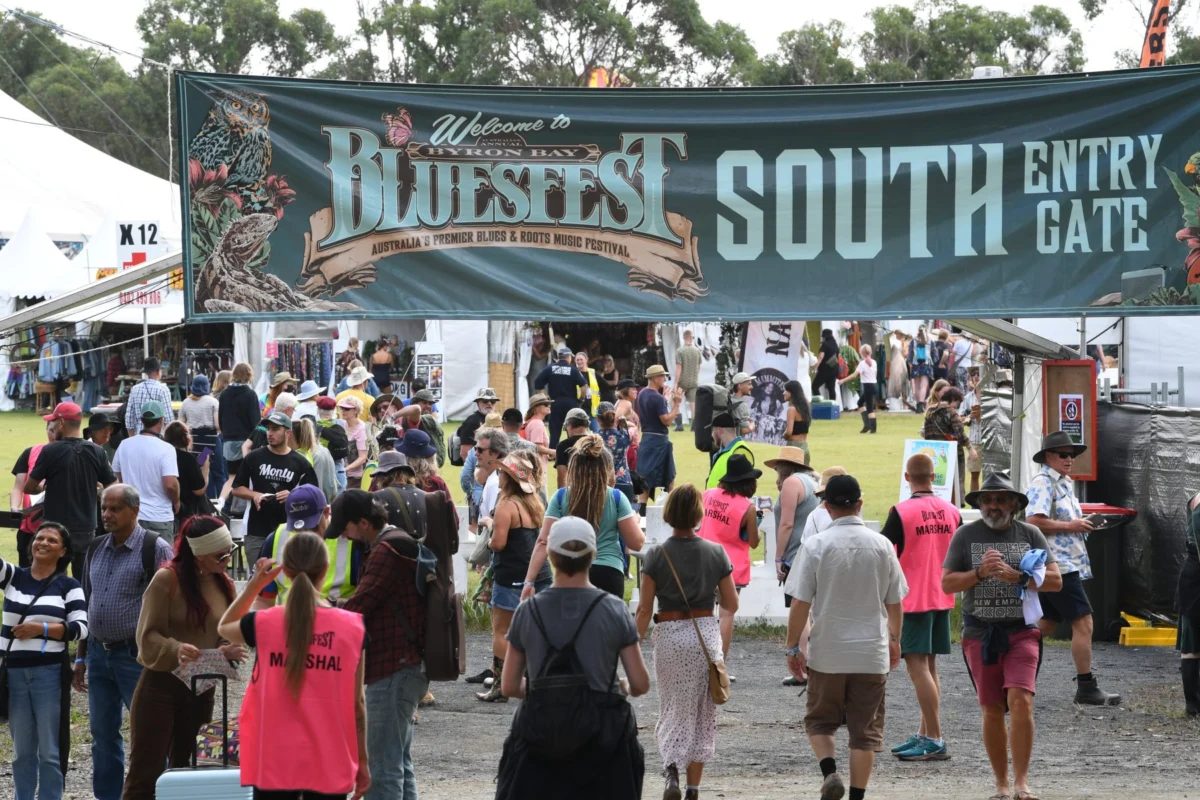
PayPal has announced a significant, one-time exception to its standard refund policies, offering a lifeline to thousands of ticket holders who purchased passes for the now-defunct Byron Bay Bluesfest 2026 using the online payment platform. The move comes as the beloved Australian music festival abruptly collapsed into liquidation on March 13, leaving an estimated 10,000 patrons out of pocket and facing the grim prospect of never recovering their expenses.
PayPal’s Intervention for Bluesfest Attendees
In a statement released on Monday, a PayPal spokesperson confirmed the company’s decision to temporarily relax its buyer protection eligibility window. This unprecedented step aims to provide a pathway for Bluesfest ticket purchasers to reclaim their funds, a situation that had appeared increasingly bleak following the festival’s sudden demise just weeks before its scheduled Easter weekend run.
The online payment giant, which served as a primary non-bank payment channel for Bluesfest, acknowledged the extraordinary circumstances surrounding the festival’s cancellation. "In light of Bluesfest’s sudden cancellation, and to support our customers, PayPal is making a one-time exception to its standard buyer protection eligibility window," the spokesperson stated.
This exceptional measure means PayPal will now consider claims for Bluesfest 2026 tickets purchased through its service, even if those claims fall outside the typical 180-day dispute period. This significantly broadens the scope of potential recourse for individuals who might have bought their tickets many months in advance.
For those who utilized PayPal’s "Pay in 4" buy now, pay later service, specific instructions have been provided. These customers are advised to contact PayPal directly through the "contact us" section on the company’s website to initiate their refund claims.
The Collapse of Byron Bay Bluesfest
The liquidation of Byron Bay Bluesfest marks the end of an era for one of Australia’s most enduring music festivals, which had a storied history spanning 36 years. The festival’s collapse has sent shockwaves through the music industry and left thousands of fans in a precarious financial position.
The financial implications for ticket holders are substantial. A single adult ticket for one day was priced at $257, with multi-day passes escalating to $554 for three days and $686 for four days. These figures do not include additional costs for camping and car parking, which further inflated the overall expense for attendees.
Adding to the despair, liquidator Worrells issued a stark warning in an email to creditors shortly after the cancellation. The firm indicated that refunds stemming from the liquidation process itself were highly unlikely, painting a bleak picture for those seeking financial recourse.
Navigating the Refund Maze
The complexity of the refund situation is further compounded by the festival’s ticketing infrastructure. Tickets were primarily sold through Moshtix, a ticketing platform that has disclaimed responsibility for issuing refunds. Moshtix stated that all payments were processed directly by Bluesfest via its own merchant facility, making the event organizer solely obligated to refund purchasers.
This demarcation of responsibility has left many ticket holders in a difficult position, caught between the defunct festival organizers and a ticketing agent unwilling to facilitate refunds.

PayPal and Stripe as Creditors
Further insights into the festival’s financial distress have emerged from documents filed with the Australian Securities and Investments Commission (ASIC). PayPal is listed as a creditor, with an outstanding debt of $1.73 million. Another prominent non-bank payment channel, Stripe, is also identified as a creditor, owed a substantial $3.92 million.
For individuals who purchased their Bluesfest tickets using a credit card, the option of pursuing a chargeback through their respective banks remains a potential avenue for recouping their losses. This process typically involves disputing the transaction with the credit card issuer, who can then investigate and potentially reverse the charge.
The 2026 Bluesfest Lineup and its Unfulfilled Promise
The planned 2026 edition of Byron Bay Bluesfest was slated to take place from April 2 to April 5 at the Byron Events Farm in Tyagarah. The festival had secured a diverse and highly anticipated lineup featuring a mix of international and Australian artists.
Headlining acts included Parkway Drive, Erykah Badu, Earth, Wind & Fire, Sublime, Counting Crows, The Black Crowes, The Wailers, The Pogues, and Split Enz. The cancellation means these performances will not take place as scheduled, leaving fans disappointed and the artists without a significant performance opportunity in Australia.
Broader Implications for the Festival Circuit
The collapse of Byron Bay Bluesfest raises significant questions about the financial viability and operational resilience of large-scale music festivals. The event’s 36-year run had established it as a cultural institution, making its sudden demise all the more jarring.
The incident underscores the inherent risks associated with the festival model, which often relies on significant upfront investment, complex logistical planning, and a delicate balance of ticket sales, artist fees, and operational costs. External factors, such as economic downturns, shifts in consumer behavior, or unforeseen global events, can have a devastating impact on these operations.
The intervention by PayPal, while commendable, highlights the reliance of consumers on third-party payment processors for financial security in the event of service failures. The significant amounts owed to payment providers like PayPal and Stripe also point to the financial leverage these companies hold within the event ticketing ecosystem.
The Future of Live Music Events
The fallout from Bluesfest’s liquidation may lead to increased scrutiny of financial transparency and risk management practices within the live music industry. Event organizers, ticketing platforms, and payment processors may face pressure to implement more robust consumer protection measures and clearer communication protocols in the event of cancellations or liquidations.
For attendees who purchased tickets through methods other than PayPal or credit card, or whose claims fall outside the extended PayPal window, the path to reimbursement remains uncertain. The legal and financial complexities of liquidation processes often mean that unsecured creditors, including individual ticket holders, are among the last to be considered for any recovered assets.
The unfulfilled promise of the 2026 Byron Bay Bluesfest serves as a stark reminder of the fragility of the live entertainment industry and the profound impact that business failures can have on dedicated fans and artists alike. The actions of PayPal offer a glimmer of hope for many, but the broader implications for the future of festival funding and consumer protection in Australia are likely to be debated for some time.