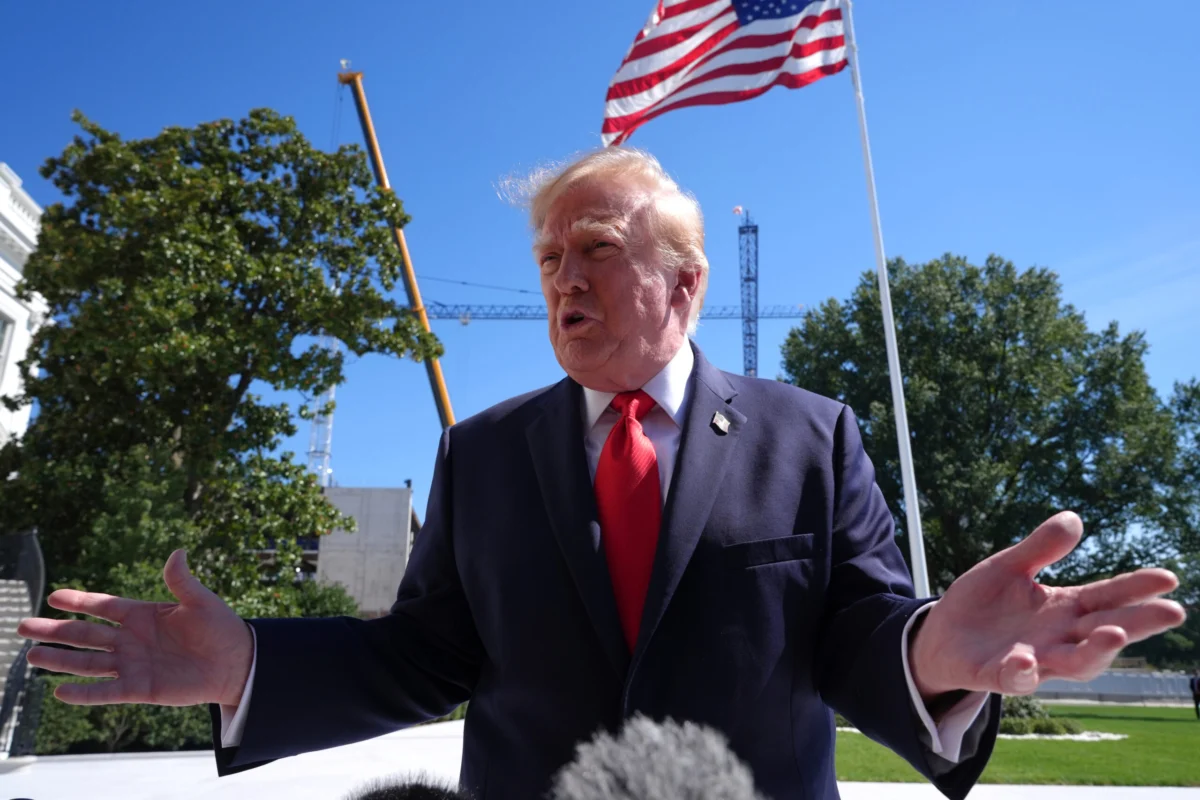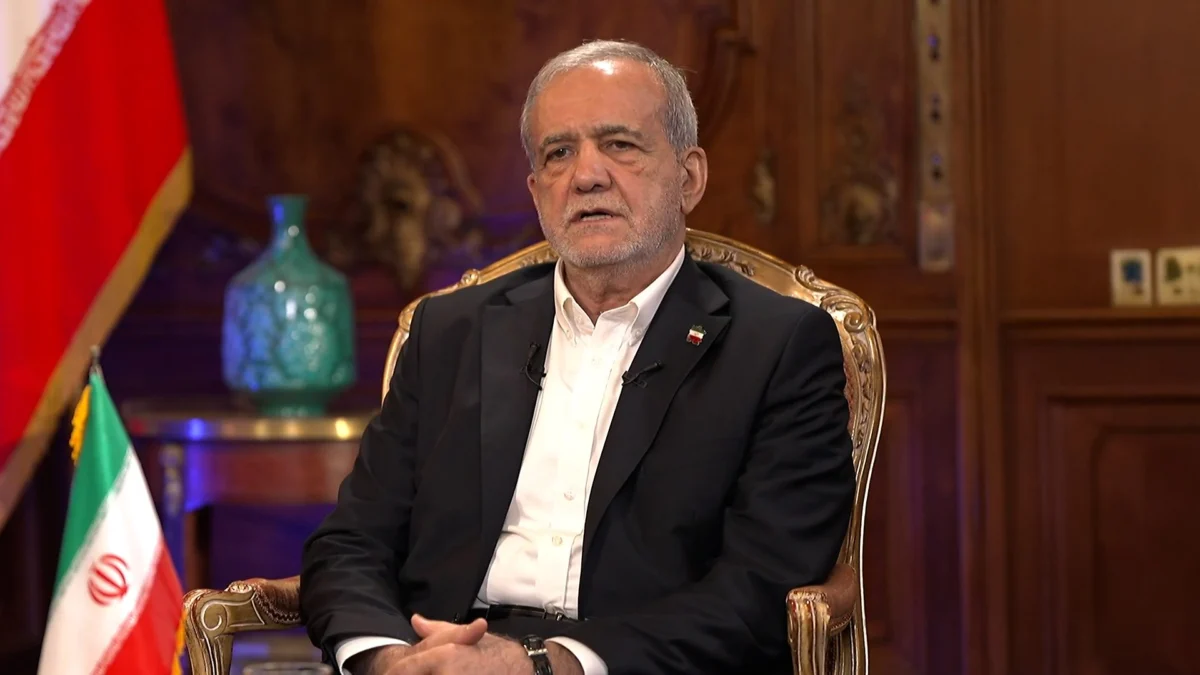
Iran’s President Masoud Pezeshkian has declared that Tehran has lost faith in negotiations with the United States, citing a pattern of preceding talks being followed by hostile actions and punitive sanctions. These stark pronouncements emerged just prior to former President Donald Trump reportedly rejecting a proposal from Iran concerning the reopening of the Strait of Hormuz within a seven-day timeframe. The sentiment expressed by President Pezeshkian underscores a significant deterioration in diplomatic trust between the two nations, potentially signaling a prolonged period of strained relations and increased regional volatility.
Escalating Tensions and Eroding Trust in US-Iran Diplomacy
The declaration by President Pezeshkian represents a significant escalation in the rhetorical battle between Tehran and Washington, reflecting deep-seated grievances that have festered for decades. For years, Iran has accused the United States of employing a strategy of "maximum pressure," a policy aimed at crippling the Iranian economy through extensive sanctions in an effort to force concessions on its nuclear program and regional activities. Tehran views these sanctions not merely as economic coercion but as acts of aggression that undermine any genuine attempt at dialogue.
The historical context of US-Iran relations is fraught with mistrust. The 1953 coup, orchestrated by the CIA and MI6 to overthrow Prime Minister Mohammad Mosaddegh, remains a potent symbol of perceived American interference in Iranian affairs. More recently, the unilateral withdrawal of the United States from the Joint Comprehensive Plan of Action (JCPOA) in 2018, commonly known as the Iran nuclear deal, by the Trump administration, served as a critical turning point. Iran had adhered to the terms of the agreement, only to see the US re-impose stringent sanctions, leading to widespread economic hardship and a significant reduction in Iran’s oil exports.
This pattern of negotiation followed by perceived betrayal has created a deep chasm of distrust. President Pezeshkian’s statement directly addresses this historical baggage, suggesting that past diplomatic engagements have proven to be unproductive and ultimately detrimental to Iran’s interests. The implication is that while Iran may be willing to engage in dialogue, the perceived unreliability of its negotiating partner, the United States, makes such efforts futile and potentially counterproductive.
The Strait of Hormuz: A Geopolitical Chokepoint
The timing of President Pezeshkian’s remarks, coinciding with reports of Donald Trump’s rejection of Iran’s proposal regarding the Strait of Hormuz, highlights the volatile nature of the region and the critical importance of this strategic waterway. The Strait of Hormuz, a narrow sea passage connecting the Persian Gulf to the Gulf of Oman, is one of the world’s most vital maritime chokepoints. Approximately 30% of the world’s seaborne oil trade passes through this narrow strait, making any disruption to its traffic a matter of global economic concern.
Iran has historically used the Strait of Hormuz as a leverage point in its diplomatic and military posturing. Threats to close or disrupt shipping traffic through the strait have been a recurring theme in regional tensions. The proposal to "reopen" it within seven days, as reported, suggests a complex negotiation or ultimatum that has apparently been met with outright dismissal.
The specifics of Iran’s proposal remain unclear, but its potential implications are significant. A willingness by Iran to guarantee the unimpeded flow of oil through the strait could be interpreted as a gesture towards de-escalation, provided it is accompanied by reciprocal concessions from the US. However, if the rejection by Trump indicates a hardening of the US stance, it suggests that such proposals are not being considered seriously, further fueling Iran’s sense of diplomatic alienation.
Implications of Eroded Diplomatic Trust
The breakdown of trust in talks with Washington has profound implications for both regional stability and global energy markets. For Iran, it means a continued reliance on its own capabilities and potentially a greater emphasis on regional alliances that do not involve the United States. This could lead to an acceleration of its nuclear program, a more assertive regional policy, and a deeper engagement with countries that are at odds with American foreign policy objectives.
For the United States and its allies, the lack of a viable diplomatic channel with Iran presents a significant challenge. Without trust and open communication, the risk of miscalculation and escalation in the Middle East increases dramatically. The potential for unintended conflict, particularly in a region already prone to proxy wars and political instability, becomes a heightened concern.
The economic ramifications are also substantial. Any disruption or perceived threat to the flow of oil through the Strait of Hormuz can send shockwaves through global energy markets, leading to price volatility and supply chain disruptions. This impacts not only major oil-consuming nations but also developing economies that are particularly vulnerable to fluctuations in energy prices.
The Political Fallout in Iran and the US
President Pezeshkian’s candid admission reflects a domestic political reality within Iran. The government faces immense pressure from its populace, who have endured significant economic hardship due to sanctions. Acknowledging the futility of talks with the US, from their perspective, can be seen as a way to rally domestic support and justify alternative strategies. It also allows the government to deflect blame for ongoing economic woes onto external actors.
In the United States, the stance on Iran has been a highly politicized issue, particularly during election cycles. The Trump administration’s "maximum pressure" campaign was a cornerstone of its foreign policy towards Iran, and any perceived softening of this approach could be met with criticism from political opponents. Conversely, a continued hardline stance may be seen as a demonstration of strength and resolve. The rejection of Iran’s proposal, if confirmed, would likely be framed by proponents as a refusal to be appeased by a regime deemed a threat to regional security.
Broader Geopolitical Landscape
The current state of US-Iran relations unfolds against a backdrop of shifting global alliances and a multipolar world order. While the United States has historically played a dominant role in Middle Eastern security, its influence is increasingly being challenged by other global powers. China and Russia, for instance, have been expanding their economic and diplomatic ties with Iran, offering alternative avenues for trade and cooperation.
Iran’s pivot towards these powers can be seen as a direct consequence of its estrangement from the West. This strategic realignment has the potential to reshape regional dynamics, creating new economic and security partnerships that could counter existing Western-led frameworks. The implications for international diplomacy are significant, as it signals a move away from a unipolar system towards a more complex and competitive geopolitical landscape.
The lack of trust in US-Iran talks also has implications for broader international arms control and non-proliferation efforts. Without a stable framework for dialogue and cooperation, achieving consensus on critical issues like nuclear weapons development and ballistic missile proliferation becomes increasingly difficult. This can lead to an arms race in the region, further exacerbating existing tensions and increasing the risk of conflict.
Public Sentiment and Regional Impact
The impact of these diplomatic failures is felt not only by governments but also by the populations of the Middle East. The constant threat of conflict, coupled with economic instability, creates an environment of uncertainty and fear. For the citizens of Iran, the lack of trust in international negotiations means continued economic hardship and limited opportunities for personal and economic advancement.
In neighboring countries, the heightened tensions between the US and Iran contribute to regional instability. This can manifest in increased proxy conflicts, humanitarian crises, and a diversion of resources away from development and towards security. The ripple effects of these diplomatic breakdowns are far-reaching, impacting trade, tourism, and overall regional prosperity.
The narrative of distrust, once established, can be difficult to overcome. It creates a self-perpetuating cycle where each perceived betrayal reinforces existing biases and makes future reconciliation even more challenging. For the global community, the continued inability of the US and Iran to engage in productive dialogue represents a significant missed opportunity for de-escalation and the promotion of a more peaceful and stable Middle East. The path forward remains uncertain, with the current trajectory suggesting a continued period of heightened tension and diplomatic stalemate.