
A former bandmate of the iconic musician Prince has offered new insights into the artist’s final months, alleging that the singer experienced significant memory loss and exhibited signs of panic in the period leading up to his tragic 2016 fentanyl overdose. BrownMark, who served as the bassist for Prince’s renowned band The Revolution from 1981 to 1986, recently spoke out about his observations, describing a worrying decline in Prince’s cognitive function and behavior.
BrownMark recalled sensing a profound shift in Prince’s demeanor. "I knew something was wrong," he stated in a recent interview. "Something was not right with his memory and his behavior." These revelations paint a poignant picture of a music legend privately battling severe health issues, a struggle that was largely hidden from the public eye.
A Complex Brotherhood and Reconciliation Efforts
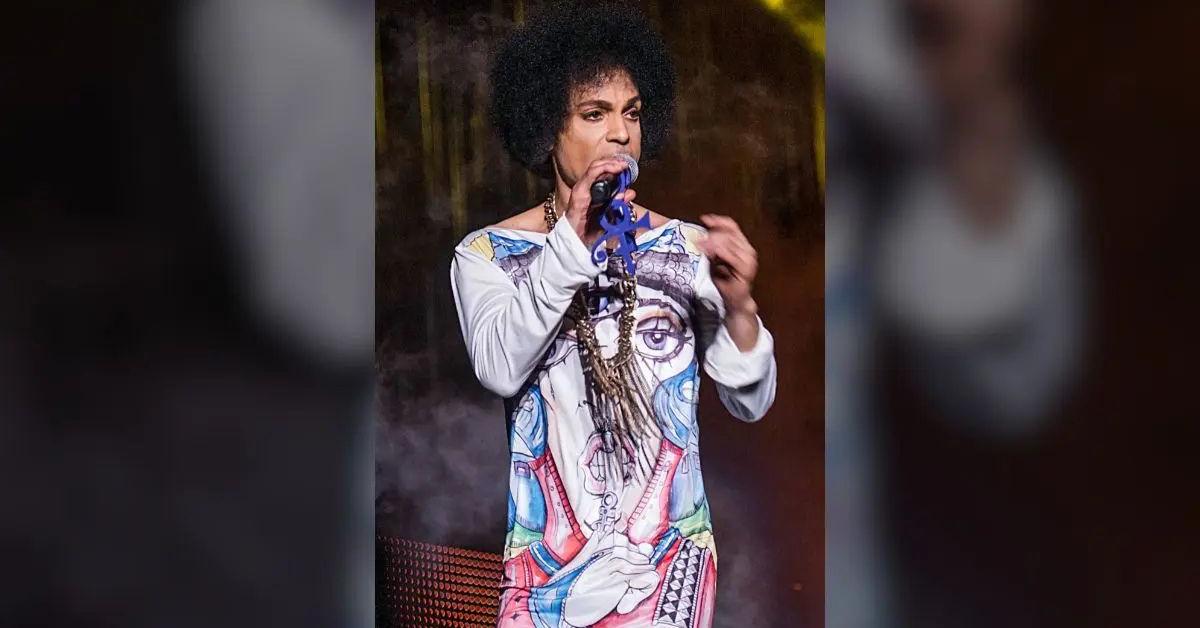
The relationship between Prince and BrownMark was characterized by a potent mix of camaraderie and intense professional rivalry. BrownMark described their dynamic as a "brotherhood that could turn volatile," acknowledging that both artists possessed strong, "alpha" personalities. This intensity, while fueling their creative synergy during the height of The Revolution’s success, also led to periods of estrangement between the two after BrownMark’s departure from the band in 1986.
Years later, a surprising intermediary emerged to bridge the gap between the two estranged musicians: Jim Lundstrom, a janitor at Prince’s fabled Paisley Park estate in Minnesota. Lundstrom reportedly observed Prince frequently speaking about his former bassist, suggesting a longing for reconciliation. "He says, ‘Mark, I have a feeling that [Prince is] going to get in touch with you because he won’t stop talking about you,’" BrownMark recounted, noting Lundstrom’s impression that Prince felt "regretful" and was "ready to make things right." This outreach signaled a potential healing of old wounds, promising a rekindling of their artistic and personal connection.
An Invitation to Paisley Park and Troubling Forgetfulness
Following Lundstrom’s intervention, BrownMark indeed received a call from the "Purple Rain" maestro. Prince extended an invitation, stating, "I want you to fly to Minneapolis. Putting some things together. I want to see if you want to be involved." Eager to reconnect and potentially collaborate, BrownMark promptly traveled from his California home to Minnesota, anticipating a creative reunion at the legendary Paisley Park studios.

However, upon his arrival, a disturbing pattern of forgetfulness began to emerge. BrownMark spent several days waiting in his hotel room, bewildered and unable to reach Prince. The promised collaboration seemed to have vanished from Prince’s memory. It was only by chance that BrownMark encountered drummer John Blackwell Jr. in the hotel lobby, to whom he confided his predicament. "I don’t know how to get a hold of [Prince]. I’ve been sitting here. I don’t know what’s going on," he recalled telling Blackwell.
Prince’s Alleged Memory Lapses and Visible Panic
When Blackwell relayed BrownMark’s presence to Prince, the reaction was reportedly one of genuine surprise and confusion. Prince allegedly responded, "What? What’s he doing there? Oh, you brought him here?" before a sudden realization dawned on him: "Oh, I forgot." This incident marked a clear sign of the memory issues BrownMark would later describe, indicating a significant lapse that seemed to genuinely disorient the famously meticulous artist.
Once BrownMark finally made it to Paisley Park and reunited with Prince, his concerns deepened. The initial encounter reinforced his earlier unease. "Something was not right with his memory and his behavior," BrownMark reiterated, emphasizing the noticeable changes in Prince’s once razor-sharp intellect and precise mannerisms. This wasn’t merely a fleeting moment of distraction; it was a persistent pattern that worried those close to him.

Relocation and the Deepening Crisis
Despite the initial signs of memory problems, Prince and BrownMark discussed plans for new music. Encouraged by the prospect of rekindling their creative partnership, BrownMark made the significant decision to relocate to Minnesota. Yet, the unsettling pattern repeated itself. Prince once again appeared to have forgotten the arrangements and BrownMark’s move.
This second instance of forgetfulness, particularly after such a significant life change for BrownMark, was even more alarming. BrownMark described witnessing visible distress in Prince’s expression. "You could see the panic in his face because you can see he just remembered what he had done: ‘Oh man, wait a minute. I moved him here,’" BrownMark revealed. "His memory was like really, really shot at that point." The panic was not just a fleeting emotion but a profound reaction to the realization of his own cognitive decline, a struggle that must have been terrifying for an artist who built his career on intricate detail and unparalleled creative control.
Opioid Use and Its Devastating Impact
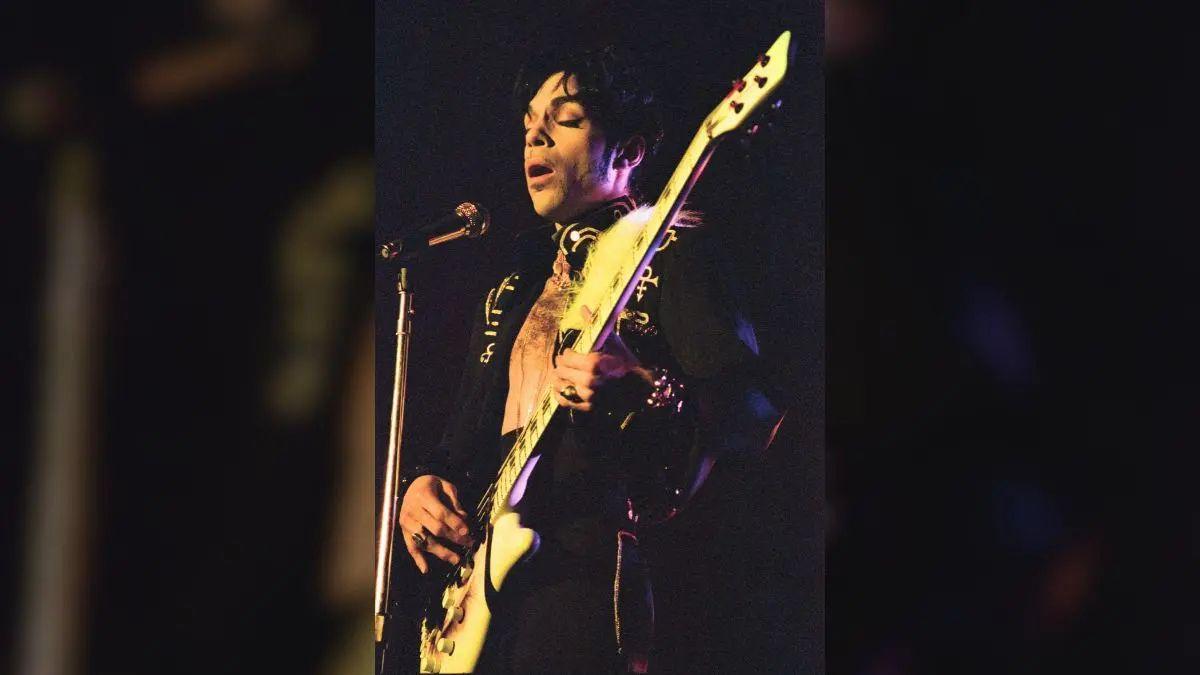
BrownMark firmly believes that Prince’s memory issues and erratic behavior were directly linked to his reliance on opioids. Prince was reportedly using these powerful painkillers extensively in the months leading up to his death, primarily to manage chronic pain, particularly from a hip injury. The "Little Red Corvette" singer had a reputation for intense, high-energy performances that took a toll on his body, but he was famously private about his personal health.
"Man, [pills] just clouds your memory. And I think that’s what was happening with him because he was heavily relying upon opioids for his pain, for his hip," BrownMark explained. He further elaborated on Prince’s fiercely independent nature and his reluctance to show vulnerability: "He ain’t gonna let nobody see him sweat. He [wasn’t] going to tell anybody." This ingrained secrecy likely exacerbated his struggles, preventing those closest to him from fully understanding the depth of his pain or the extent of his dependence.
The Tragic End: A Public Health Crisis Reflected in a Superstar’s Life
Prince died on April 21, 2016, at the age of 57, at his Paisley Park home. His death was ruled an accidental overdose of fentanyl, a powerful synthetic opioid, found in counterfeit pills disguised as Vicodin. The revelations from BrownMark underscore the profound impact of the opioid crisis, demonstrating how even global superstars, with seemingly unlimited resources, can fall victim to addiction and the dangers of illicit drug supplies.
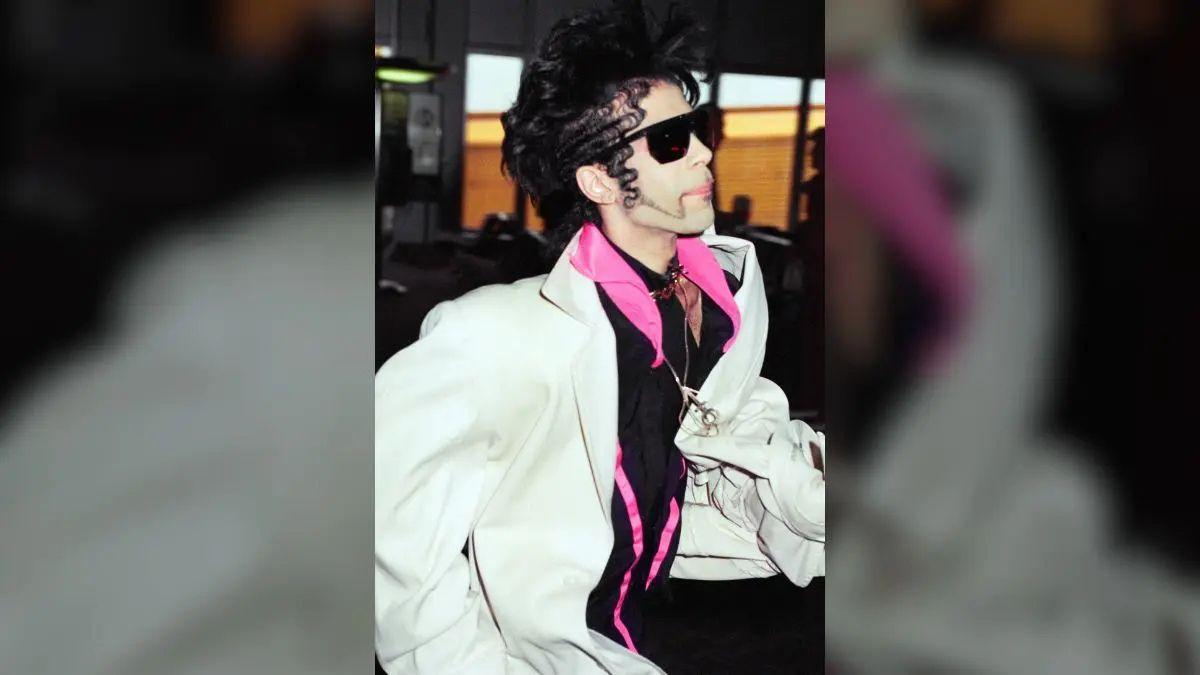
His death sent shockwaves across the music world and beyond, prompting widespread grief and a deeper conversation about the hidden struggles of celebrities. The investigation into his death highlighted the difficulties of tracing illegally manufactured drugs and the perilous nature of the black market for pain medication. Prince’s extreme privacy, while a hallmark of his enigmatic persona, ultimately meant that his battle with pain and dependence remained largely hidden until his tragic passing.
Broader Implications and Lasting Legacy
BrownMark’s testimony adds a crucial, humanizing layer to the understanding of Prince’s final period. It reveals a brilliant mind grappling with a devastating decline, struggling with fundamental cognitive functions that are vital for any individual, let alone a creative genius. The visible panic described by BrownMark offers a stark reminder of the personal terror associated with losing one’s memory and control, especially for someone whose entire life was predicated on sharp intellect and artistic precision.
These accounts from a trusted former colleague contribute to the ongoing narrative surrounding Prince’s final chapter, moving beyond the sensational headlines of his death to explore the quiet, agonizing battle he may have been fighting. His story continues to serve as a potent symbol of the broader public health crisis involving opioids, demonstrating that vulnerability to addiction and its consequences transcends fame, wealth, or artistic brilliance. The insights shared by BrownMark not only honor Prince’s complex humanity but also serve as a somber warning about the insidious nature of opioid dependence and the critical importance of addressing pain and addiction with transparency and comprehensive care.