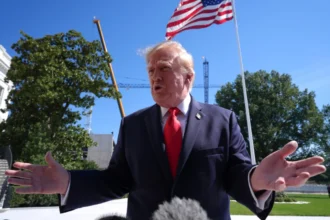
Russian President Vladimir Putin has issued a stark warning, vowing to retaliate with tit-for-tat seizures of European vessels if European states proceed with plans to confiscate Russian cargo. The threat comes amid a growing dispute over sanctioned Russian oil and a broader geopolitical standoff that is increasingly playing out on the world’s waterways. Putin’s forceful declaration signals a potential new phase of confrontation in the maritime domain, raising concerns about the safety of international shipping and the stability of global trade routes.
The Russian leader delivered his stern message while aboard a naval cruiser off the Pacific island of Sakhalin, a location chosen to coincide with ongoing Russian naval exercises. During the drills, Putin stated that Moscow would be prepared to carry out its own seizures of vessels, asserting that such actions would be taken "wherever we deem it necessary and appropriate," according to reports from the Russian state news agency TASS. This direct threat underscores Russia’s readiness to escalate its response to what it perceives as hostile actions by Western nations.
This exchange follows a series of actions by several European countries, which have recently intercepted ships suspected of being part of Russia’s so-called "shadow fleet." These vessels are believed to be transporting Russian oil in defiance of existing European sanctions. The EU’s recent sanctions package, passed last month, explicitly permits member states to seize such cargoes and subsequently sell the oil or other confiscated goods.
Putin directly addressed these new sanctions, characterizing them as attempts by certain nations to "restrict the movement of vessels belonging to our economic operators." He further decried the recent "idea of possibly seizing our ships and selling off property stolen from us," as reported by Russia’s RIA Novosti news agency. He unequivocally stated, "If these plans are put into practice, we will have to respond in kind," denouncing these potential measures as "piracy and robbery."
To underscore the seriousness of his warning, Putin revealed that "relevant instructions" have already been dispatched to Russia’s Ministry of Defence and the Pacific Fleet, the naval command responsible for Russia’s maritime interests in the vast Pacific Ocean. This directive suggests that Russia is not merely issuing verbal threats but is actively preparing for potential operational responses.
Escalating Sanctions and Maritime Confrontation
The backdrop to Putin’s warning is the complex web of international sanctions imposed on Russia following its full-scale invasion of Ukraine in February 2022. European nations and their allies have implemented a range of economic penalties aimed at curtailing Russia’s ability to finance its war effort. A key component of these sanctions has been the targeting of Russian energy exports, particularly oil, which constitutes a significant source of revenue for Moscow.
However, Russia has sought to circumvent these sanctions through various means, including the operation of a "shadow fleet." This fleet consists of aging tankers, often registered in countries with lax maritime regulations and insured by opaque schemes, which transport Russian oil to destinations willing to purchase it, often at discounted prices. The interception of these vessels by European authorities represents a direct challenge to Russia’s efforts to maintain its oil revenue streams.
The legality and implications of seizing sanctioned cargo are complex. International maritime law and sanctions regimes typically provide frameworks for the detention and forfeiture of illicit goods. However, the retaliatory seizure of vessels by Russia, if implemented, could have far-reaching consequences, potentially leading to a dangerous escalation of maritime disputes and impacting global supply chains.
Geopolitical Ripples in the Asia-Pacific
Putin’s pronouncements were made in the context of Russia’s ongoing naval exercises in the Western Pacific, a region increasingly viewed as a focal point of geopolitical competition. These exercises, involving a significant naval presence, are seen by some analysts as a deliberate signal to both regional powers and Western allies. The timing also precedes joint military drills between the United States and South Korea, which are designed to simulate a response to a potential invasion from North Korea.
The heightened tensions in the Asia-Pacific are further exacerbated by accusations from Kyiv and Seoul that Pyongyang and Moscow are deepening their military cooperation. This burgeoning alliance is a growing concern for many nations, particularly those in East Asia, due to the potential for destabilization.
Ukraine’s President Volodymyr Zelenskyy has been a vocal critic of this deepening Russia-North Korea relationship. On Tuesday, he accused Russia of deploying North Korean missiles in deadly air raids across Ukraine, highlighting the direct impact of this cooperation on the ongoing conflict. A day earlier, Zelenskyy had warned that Moscow was receiving a steady supply of ballistic projectiles and troops from its ally Pyongyang, a development he characterized as a significant threat not only to Ukraine but also to countries across East Asia.
NATO’s Expanding Footprint and Russian Concerns
In addition to addressing the maritime disputes, President Putin also voiced concerns about NATO’s expanding influence in the Asia-Pacific region. He accused the military alliance of "making inroads into the region, new military-political blocs are being formed, and new weapons systems that pose a threat to Russia are being deployed or are slated for deployment." This statement reflects Russia’s broader anxieties about perceived encirclement and the growing military presence of Western alliances near its borders and in strategically important areas.
Russia views the increasing military cooperation between Western nations and countries in the Asia-Pacific as a direct challenge to its security interests. The formation of new security partnerships and the deployment of advanced military hardware in close proximity to Russia are seen as provocative actions that necessitate a robust response. Putin’s comments suggest that Russia is closely monitoring these developments and is prepared to take measures to counter what it perceives as a growing threat.
Implications for Global Shipping and Trade
The escalating rhetoric and potential for retaliatory seizures of vessels carry significant implications for the global shipping industry and international trade. The world’s oceans are vital arteries for commerce, and any disruption to maritime traffic can have cascading effects on supply chains, commodity prices, and economic stability.
Shipowners and operators are likely to face increased risks and insurance costs as geopolitical tensions translate into a more volatile maritime environment. The potential for vessels to be detained or confiscated, regardless of their cargo or origin, creates uncertainty and could lead to rerouting of trade, increased transit times, and higher freight rates.
The actions of European states in seizing Russian oil shipments, while aimed at enforcing sanctions, also highlight the challenges of navigating complex international legal frameworks and the potential for countermeasures. Russia’s threat of reciprocal action could lead to a tit-for-tat escalation, where vessels flagged by European nations or carrying European interests become targets.
The Shadow Fleet: A Symbol of Sanctions Evasion
The concept of the "shadow fleet" itself is a testament to the ingenuity and adaptability of entities seeking to circumvent international sanctions. The existence of such a fleet, operating outside the purview of established regulatory bodies and insurance markets, poses significant risks. These vessels may not adhere to stringent safety standards, increasing the likelihood of accidents, oil spills, and environmental damage.
The interception of these ships by European authorities is an attempt to disrupt this illicit trade and reinforce the effectiveness of sanctions. However, Russia’s response suggests a determination to protect its economic interests, even at the risk of further international confrontation.
Broader Ramifications and Future Outlook
The ongoing maritime dispute is part of a larger pattern of geopolitical friction between Russia and Western nations. The war in Ukraine has intensified these tensions, leading to a broader realignment of global alliances and a more assertive stance on issues of national security and economic interests.
The direct threat of vessel seizures, if carried out, could have far-reaching consequences, potentially drawing in other nations and exacerbating existing regional conflicts. The Asia-Pacific region, already a theater of increasing strategic competition, could become a flashpoint for further maritime confrontations.
The international community will be closely watching how this situation unfolds. The ability of diplomatic channels to de-escalate tensions and find common ground will be crucial in preventing a wider conflict. However, the current trajectory suggests a period of continued uncertainty and potential for further escalation in the maritime domain. The effectiveness of sanctions, the enforcement of international law, and the commitment to maintaining open and secure sea lanes will all be tested in the coming months.