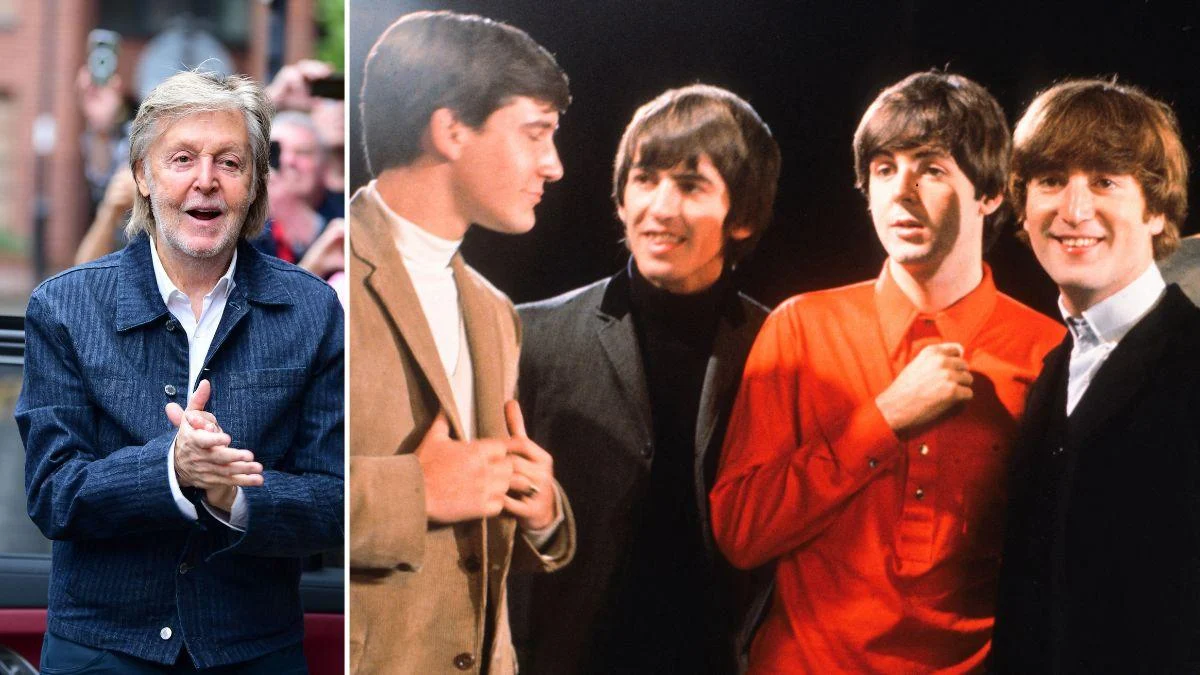
A new documentary is shedding light on the profound personal torment experienced by Paul McCartney following The Beatles’ acrimonious split, revealing the enduring agony he carried and his long-held belief that John Lennon was ultimately responsible for the band’s demise. The revelations emerge from the upcoming film, Man on the Run, which explores McCartney’s turbulent life in the immediate aftermath of the world’s most famous band dissolving, a period marked by intense legal battles, emotional upheaval, and a retreat from the global spotlight.
The Unraveling of a Global Phenomenon
The early 1970s represented a dramatic shift for Paul McCartney, who, alongside Lennon, George Harrison, and Ringo Starr, had redefined popular music and captivated millions. The Beatles’ breakup was not merely the end of a band; it was the fragmentation of a cultural institution, a phenomenon that had shaped a generation. While the public grappled with the news, McCartney privately contended with a chaotic period characterized by fierce disputes over management and the breakdown of deeply personal friendships. This was a time, McCartney recounts, when "every afternoon, I had to go into the Apple office to face the latest horrible development. It was turgid, honestly a bad, bad time."
The Bitter Klein Controversy
At the heart of the initial discord was the appointment of New York accountant Allen Klein to manage The Beatles’ business affairs. Lennon, Harrison, and Starr had backed Klein, believing he could salvage their financial situation. However, McCartney vehemently opposed Klein’s involvement, viewing him as a predatory figure who would exploit the band. This disagreement created an irreconcilable rift, pitting McCartney against his bandmates and poisoning the once-unbreakable camaraderie. The struggle over Klein underscored deeper issues of trust and artistic control that had been festering within the group for years.
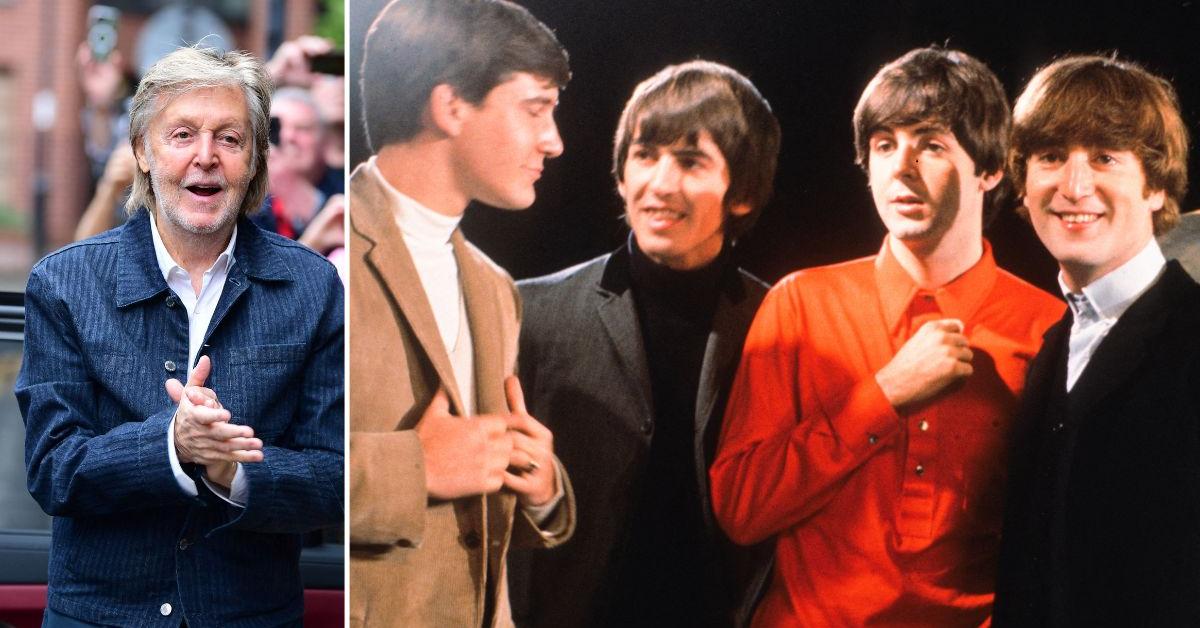
The decision by three-quarters of the band to move forward with Klein forced McCartney’s hand. He saw the integrity of Apple Corps, the band’s multimedia corporation, and their collective artistic legacy under threat. The pressure mounted, leading to a situation that felt increasingly untenable for the bassist and songwriter, pushing him toward an agonizing choice.
Legal Battles and Public Scrutiny
In December 1970, McCartney took the drastic step of filing a lawsuit against his former bandmates in London’s High Court. His aim was to legally dissolve The Beatles’ partnership, a move he felt was necessary to protect his own interests and, paradoxically, to free the band from the very entanglements that were tearing it apart. This legal action, though strategic, plunged him into a public relations nightmare, cementing a perception that he was the one who "broke up the band."
The legal proceedings were protracted and emotionally draining. The media, hungry for sensational headlines, painted a picture of a fractured group, with McCartney often cast as the villain. This public narrative contrasted sharply with his internal struggle and his perspective on the true origins of the split. The dissolution of the partnership was a long and arduous process, intertwining complex financial negotiations with the raw pain of severed personal bonds. The legal precedent set by this case would resonate throughout the music industry for years, highlighting the intricate challenges of managing creative enterprises.
The Burden of Blame and John Lennon’s Role
McCartney directly addresses the long-standing narrative surrounding The Beatles’ breakup in the documentary. For decades, he bore the weight of public opinion, often being blamed for initiating the separation. "John broke up The Beatles," McCartney states unequivocally in the film, "but I got the rap… that’s a bit of a weight to bear." This assertion challenges a deeply ingrained historical account, placing the impetus for the split squarely on John Lennon.

While the documentary primarily focuses on McCartney’s perspective, historical context reveals that Lennon had expressed a desire to leave the band as early as September 1969, following the recording of Abbey Road. Though he initially agreed to keep the decision quiet, his growing disengagement and focus on his solo projects with Yoko Ono were undeniable. McCartney’s lawsuit, therefore, was arguably a legal formality to finalize an already decided separation, rather than the initial act of division. This re-evaluation of the sequence of events underscores McCartney’s decades-long struggle with an unfair public image.
Seeking Solace: Scotland and Linda’s Steadfast Support
The emotional and professional fallout pushed McCartney to the brink. He and his wife, Linda, retreated from the intense scrutiny of London to a remote farmhouse in rural Scotland. This period was one of profound personal struggle, marked by heavy drinking as he grappled with the loss of the band that had defined his entire adult life and career. The transition from global superstardom to relative isolation was jarring, and McCartney sought solace in the quiet anonymity of the countryside.
Linda McCartney became his anchor during this tumultuous time. Her unwavering support was crucial in helping him navigate the psychological challenges and begin the arduous process of rebuilding his life and creative spirit. She encouraged him to continue making music and provided the stability he desperately needed. Linda, who tragically passed away in 1998 at age 56, was not only his confidante but also a nascent musical collaborator, integral to his next artistic chapter.
A New Beginning: The Formation of Wings
A pivotal moment in McCartney’s recovery came one evening while watching Johnny Cash perform on television with a group of country musicians. The simple, collaborative nature of the performance sparked an idea: to form a new band. Turning to Linda, he asked, "Do you want to form a band?" Her immediate "Sure" response ignited the genesis of Wings. This decision marked a conscious effort to move beyond the shadow of The Beatles.

McCartney deliberately chose to build Wings with relatively unknown musicians, including Linda on keyboards and backing vocals. This approach was a stark contrast to the common practice of forming "supergroups" with established stars, such as Eric Clapton, an option McCartney considered but ultimately rejected. "After the end of The Beatles," he explained, "I was faced with certain alternatives. One was to give up music entirely and do God knows what. Another was to start a super-band with very famous people… I didn’t like that either, so I thought, how did The Beatles start? It was a bunch of mates who didn’t know what they were doing." This philosophy allowed for an organic, less pressurized creative environment, reminiscent of The Beatles’ early days in Liverpool.
From Skepticism to Soaring Success with Wings
The initial years of Wings were met with skepticism and mixed critical reception. The public and critics alike found it difficult to separate Paul McCartney from his Beatles past, often comparing Wings unfavorably to his previous band’s unparalleled legacy. However, McCartney persevered, touring extensively and honing the group’s sound. The band’s fortunes dramatically shifted with the release of their 1973 album, Band on the Run.
Band on the Run became a monumental success, both critically and commercially, re-establishing McCartney as a formidable force in popular music. The album’s triumph instilled a renewed sense of confidence within the band, particularly for Linda. "The success of Band on the Run gave us confidence, especially Linda," McCartney recalled. "Instead of being made fun of because of her lack of expertise, she was getting respected." This period validated McCartney’s decision to forge a new path and proved that he could thrive creatively beyond The Beatles’ shadow.
A Definitive Narrative: The Documentary’s Scope
Director Morgan Neville’s documentary, Man on the Run, offers an intimate and comprehensive look at this often-misunderstood chapter of McCartney’s life. Neville structured the film to span the period from The Beatles’ breakup to John Lennon’s tragic death in 1980, emphasizing these two "seismic events" as pivotal moments that irrevocably reshaped McCartney’s existence. The documentary delves into the psychological toll of adjusting to life outside the world’s biggest band, detailing his personal struggles, including his period of heavy drinking.
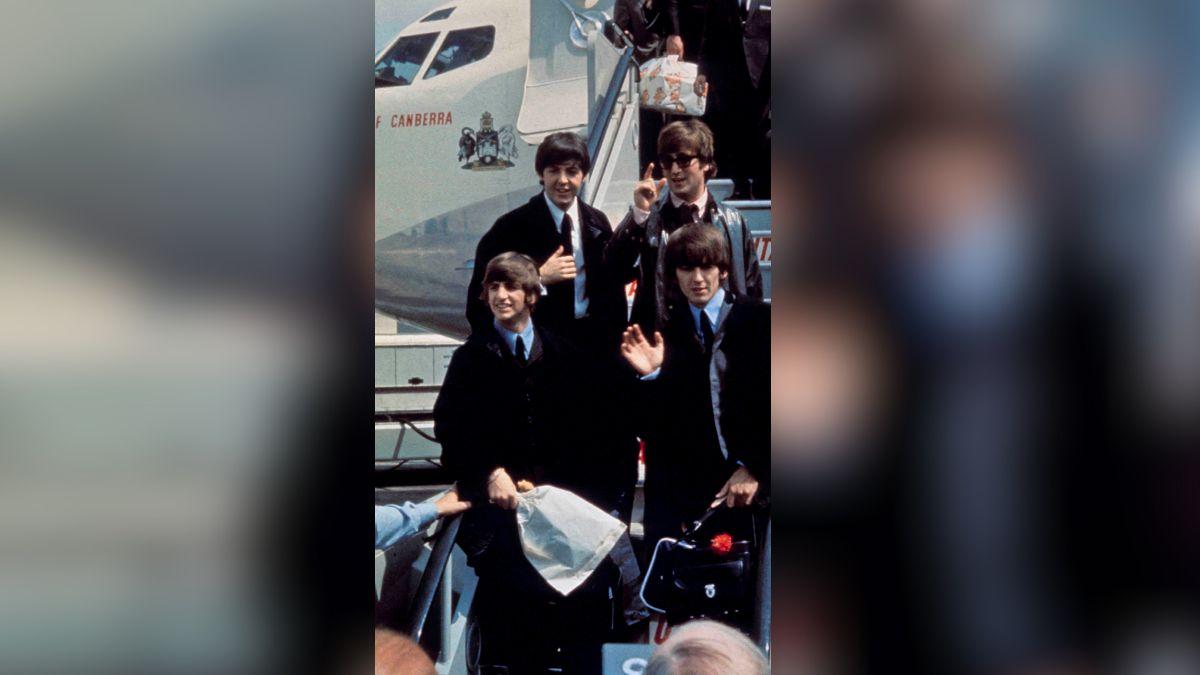
Neville highlights the importance of McCartney’s retreat to Scotland, describing it as his "fortress of solitude," a place where he could escape the relentless media glare and begin to heal. The film promises to be a crucial re-examination of McCartney’s post-Beatles career, showcasing his resilience and his determination to find new creative outlets despite immense pressure. It provides a humanizing perspective on a music legend who, despite his unparalleled success, faced profound personal challenges.
Reflecting on a Transformative Era
The insights from Man on the Run offer a fresh lens through which to view one of the most significant periods in rock and roll history. McCartney’s candid reflections on the agony of The Beatles’ breakup and his assertion regarding John Lennon’s primary role in the split provide a nuanced perspective on a complex narrative. This re-telling is not about assigning blame in a punitive sense, but rather about McCartney articulating his personal truth and the profound emotional impact of those events.
The documentary not only chronicles McCartney’s journey from despair to renewed artistic vigor with Wings but also underscores the enduring legacy of The Beatles and the individual paths taken by its members. It serves as a testament to McCartney’s artistic perseverance and his ability to reinvent himself, cementing his status as one of music’s most enduring and influential figures, even as he revisits the deeply personal scars left by the past. The film ultimately provides a vital context for understanding the creative and personal evolution of a true music icon.