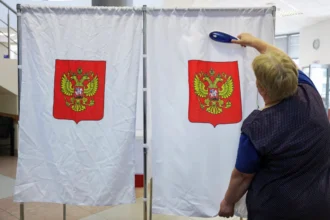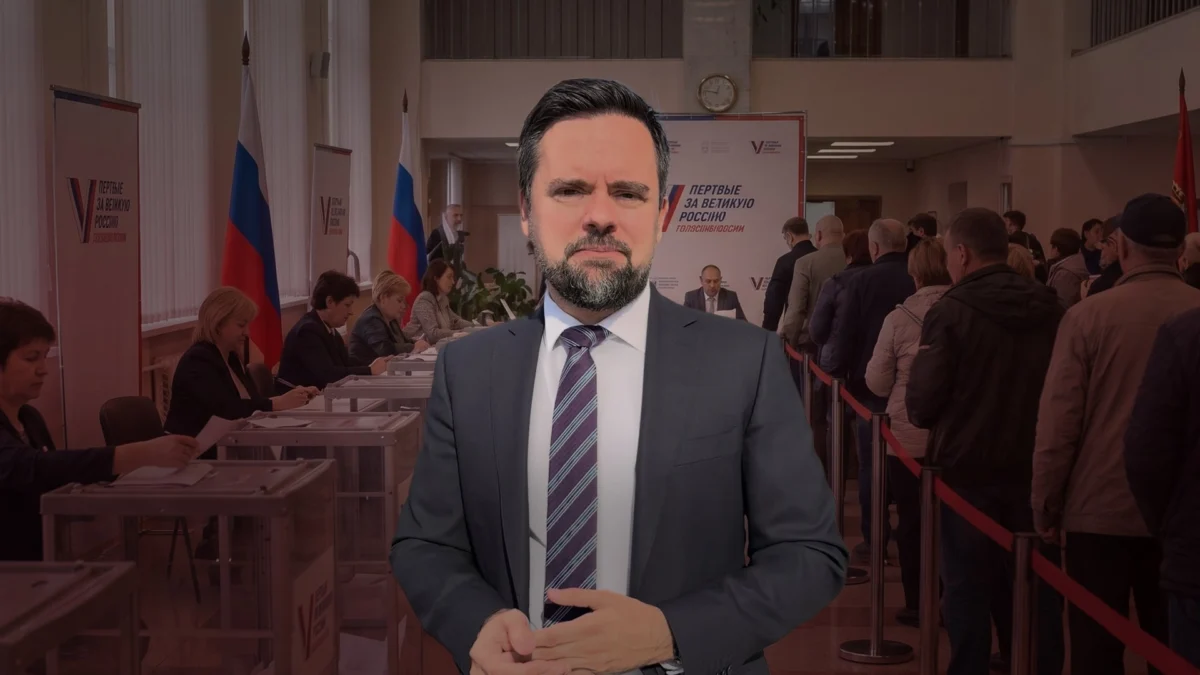
Russians are heading to the polls for the first time since the full-scale invasion of Ukraine began in February 2022, with the upcoming parliamentary elections presenting a familiar landscape dominated by the ruling United Russia party. For over two decades, United Russia has been the undisputed political force, enjoying the unwavering backing of President Vladimir Putin, a relationship that has cemented its control over the nation’s legislative and executive branches. The central question looming over this electoral cycle is whether any of the other registered political parties, operating within the tightly controlled Russian political system, can mount a credible challenge to United Russia’s entrenched dominance.
The Unshakeable Grip of United Russia
United Russia, often described as a "party of power," has served as the parliamentary bedrock for President Putin’s administration since its inception. Its platform typically champions stability, national pride, and support for the Kremlin’s foreign policy objectives. The party’s electoral successes have been consistent, largely attributed to a combination of state media support, administrative resources, and a carefully managed political environment that limits genuine opposition. Analysts point to the party’s ability to mobilize voters through state-sponsored organizations and its deep penetration into regional and local governance structures as key factors in its enduring strength.
A Landscape of Controlled Opposition
The Russian political spectrum, while featuring multiple registered parties, is characterized by a distinct lack of robust, independent opposition capable of fundamentally altering the balance of power. The Communist Party of the Russian Federation (CPRF), the Liberal Democratic Party of Russia (LDPR), and A Just Russia – For Truth are often cited as the main parliamentary contenders. However, these parties, while presenting distinct ideological stances, have historically operated within parameters that do not fundamentally threaten United Russia’s supremacy. Their participation in elections is seen by many observers as serving to legitimize the broader political process rather than offering a genuine alternative to the ruling party.
The CPRF, for instance, has traditionally appealed to voters nostalgic for the Soviet era, advocating for a stronger state role in the economy and social welfare programs. The LDPR, under its late charismatic leader Vladimir Zhirinovsky, offered a more nationalist and populist platform, often taking hardline stances on foreign policy. A Just Russia – For Truth, a more centrist party, has focused on social justice and economic equality. While these parties can and do voice dissent on specific issues, their legislative actions and public pronouncements rarely diverge significantly from the Kremlin’s overall agenda, especially on matters of national security and foreign policy.
The Shadow of the War in Ukraine
The ongoing conflict in Ukraine, now in its fourth year, casts a long and defining shadow over these elections. The war has amplified nationalist sentiments and solidified support for President Putin’s government among a significant portion of the electorate. United Russia has fully aligned itself with the Kremlin’s narrative regarding the "special military operation," framing it as a necessary defense of Russia’s interests and security. This alignment has further bolstered its support base, making it considerably more challenging for any party to campaign on an anti-war platform without facing severe repercussions.
The political discourse surrounding the war has been heavily influenced by state control over information, with independent media outlets facing increasing pressure and censorship. This makes it difficult for alternative viewpoints to gain traction or reach a broad audience. Consequently, any party attempting to challenge the prevailing pro-war consensus would face an uphill battle in communicating its message and mobilizing support, especially in the current climate of heightened national security concerns.
Pre-Election Dynamics and Voter Sentiment
While official polls often reflect strong support for United Russia, understanding true voter sentiment in Russia can be complex. Factors such as social pressure, fear of reprisal, and a general sense of political apathy among segments of the population can influence stated preferences. For many Russians, political participation is seen as a civic duty, but the perceived lack of meaningful choice can lead to disengagement.
The electoral system itself, which combines proportional representation with single-member constituencies, has also been a factor in maintaining United Russia’s dominance. Gerrymandering and the strategic allocation of resources can influence outcomes in individual districts, further solidifying the party’s hold on legislative seats. Moreover, the registration process for new parties and candidates is stringent, often creating barriers for nascent opposition movements seeking to enter the political arena.
The Role of the Communist Party
Historically, the Communist Party has been the most significant challenger to United Russia, often securing a substantial minority of seats in the Duma. However, its ability to translate electoral gains into substantive political influence has been limited. The party leadership has demonstrated a willingness to cooperate with the Kremlin on key issues, leading some to question the extent of its genuine opposition. In recent years, the CPRF has found itself in a delicate position, seeking to appeal to its traditional base while navigating the increasingly nationalistic and militaristic agenda promoted by the government.
The war in Ukraine has presented a particular challenge for the CPRF. While some within the party have expressed reservations or called for a peaceful resolution, the official stance has largely mirrored the government’s position. This has alienated some of its more liberal supporters who are critical of the war. The party’s ability to articulate a distinct and compelling vision for Russia’s future, separate from the Kremlin’s agenda, will be crucial for its long-term relevance.
Other Parties: Limited Impact
Parties like A Just Russia – For Truth and the Liberal Democratic Party, while present in parliament, have consistently played a supporting role rather than a leading one. Their electoral performance has typically been lower than that of the CPRF, and their policy positions often align closely with United Russia on major issues. The LDPR, in particular, has often been seen as a vehicle for populist sentiment and has frequently adopted a more radical nationalist stance than the ruling party, but without posing an existential threat.
In recent years, there have been attempts to form new political movements and parties, but these have largely struggled to gain traction due to the restrictive political environment and the dominance of established players. The barriers to entry for new political forces are substantial, requiring significant organizational capacity, financial resources, and the ability to navigate complex bureaucratic hurdles.
Public Perception and the Future of Opposition
The perception of genuine political competition in Russia is a critical factor influencing voter engagement. When voters believe that their choices are predetermined or that opposition voices are effectively silenced, participation can wane. The government’s narrative, amplified by state-controlled media, often portrays the current political system as stable and effective, discouraging calls for radical change.
The upcoming elections, therefore, are likely to reinforce the existing political order rather than usher in a significant shift. United Russia is expected to maintain its parliamentary majority, ensuring continuity in governance and policy. The performance of other parties will be scrutinized for any signs of erosion in United Russia’s support or a rise in the popularity of more independent voices, though the latter remains a distant prospect under current conditions.
The Electoral Process Amidst Geopolitical Tensions
The electoral process in Russia has long been a subject of scrutiny from international observers. Concerns about transparency, fairness, and the integrity of the vote are recurring themes. In the context of the ongoing war in Ukraine and heightened geopolitical tensions, the conduct of these elections will likely attract even greater international attention.
The results of this election will have implications not only for domestic Russian politics but also for Russia’s relationship with the international community. A strong mandate for United Russia and the continuation of current policies would signal a commitment to the existing course, while any unexpected shifts, however minor, could be interpreted as indicators of evolving political dynamics within the country. The challenge for any party seeking to offer a real alternative lies in navigating a system designed to favor incumbency and conformity, especially in a period of heightened national focus on security and external threats. The ability of any opposition to effectively mobilize voters and articulate a distinct vision remains the central, and perhaps insurmountable, hurdle.