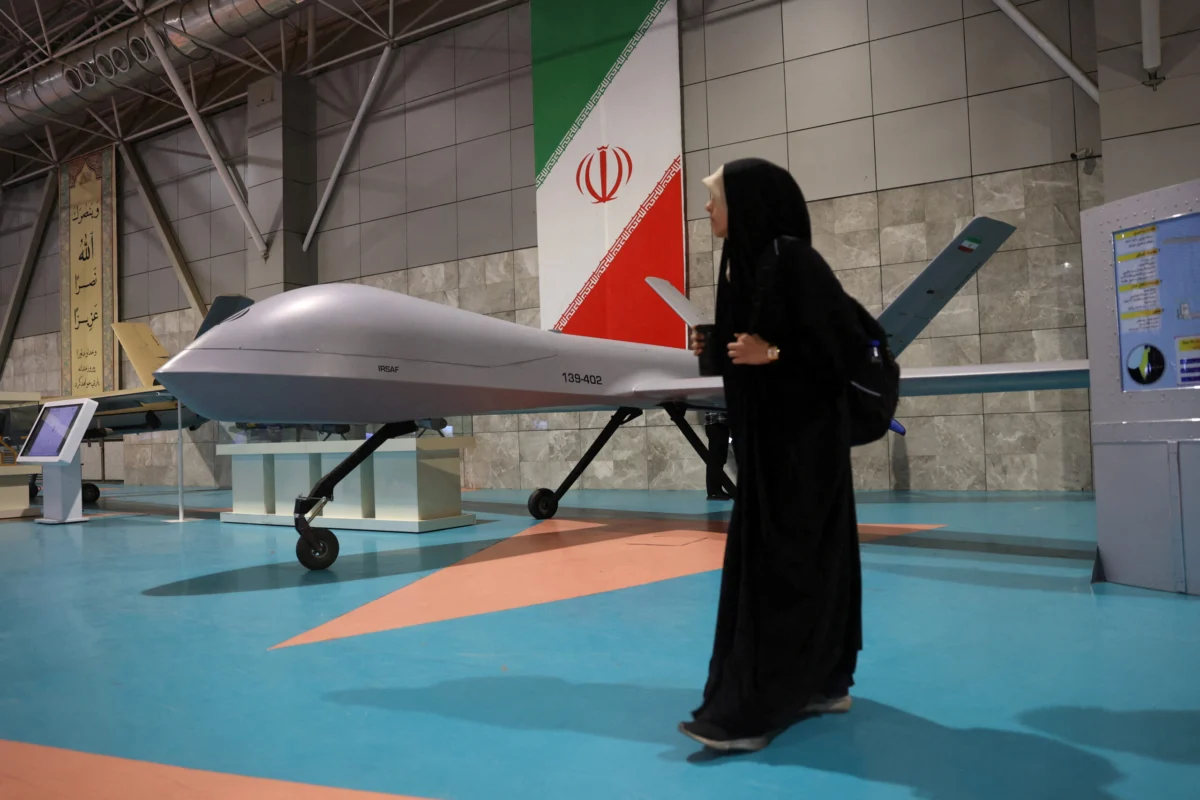
Saudi Arabia reported intercepting multiple drones targeting its oil facilities in the eastern province and the capital, Riyadh, on Monday, escalating regional tensions and raising questions about the intentions of Iran and its allied militias. The Saudi Foreign Ministry declared it "reserves the right to respond" to the attacks, which it attributed to Iran-backed armed groups operating from Iraq. The incidents occurred amid a delicate diplomatic period, with mediators suggesting increased possibilities for renewed negotiations between the United States and Iran following a recent escalation of hostilities.
The coordinated or perhaps separate drone attacks underscore a complex geopolitical landscape where proxy actors may be testing the resolve of global powers as strategic approaches are being reassessed. The attacks on Saudi oil infrastructure, vital to the global energy market, carry significant economic and security implications. The involvement of groups allegedly linked to Iran, while the U.S. and Iran appear to be observing a pause in direct confrontation, suggests a potential divergence in strategies between Tehran and its regional proxies.
Escalation Over Eastern Province Oil Facilities
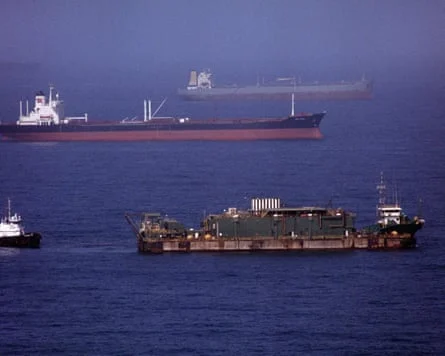
The initial reports emerged from Saudi Arabia’s eastern province, a region heavily industrialized with critical oil processing plants and export terminals that are indispensable to the global energy supply chain. Saudi air defenses successfully intercepted several drones that were reportedly heading towards these sensitive oil facilities. Simultaneously, another wave of drones was detected and neutralized near Riyadh, indicating a broader and more ambitious scope to the assault.
The Saudi Foreign Ministry’s swift attribution of the attacks to "Iran-backed armed groups in Iraq" signals a clear geopolitical accusation. This direct linkage suggests a belief within Riyadh that Tehran is utilizing these militias as instruments to project power and exert pressure. The ministry’s statement also carried a stern warning, emphasizing Saudi Arabia’s prerogative to retaliate, a stance that could precipitate further regional instability.
Houthi Rebels Claim Responsibility for Separate Attacks
Adding another layer to the unfolding events, Yemen’s Houthi rebels issued a statement on Monday claiming responsibility for targeting Saudi crude oil transport infrastructure. This declaration, made independently of the Saudi government’s announcement regarding the eastern province and Riyadh strikes, raises questions about the coordination and overall objective of the day’s aerial assaults. It remains unclear whether the Houthi actions were a separate initiative or part of a broader, coordinated campaign.
The Houthi involvement is particularly significant given their ongoing conflict with the Saudi-led coalition in Yemen. The rebels have frequently employed drone and missile technology in their war effort, often with reported assistance from Iran. Their claim to have targeted Saudi oil transport infrastructure highlights the persistent threat posed by the conflict in Yemen to regional stability and global energy security.
A Delicate Diplomatic Interlude
The drone attacks arrive at a moment of significant diplomatic flux in the broader U.S.-Iran relations. Following two weeks of intense hostilities and retaliatory actions, U.S. officials had indicated a potential shift in strategy. Washington had temporarily paused its strikes against Iranian targets, and Iran, in turn, announced a cessation of its attacks on U.S. allies across the Gulf region.
This period of de-escalation had fostered cautious optimism among international mediators, who suggested that the chances of a return to broader negotiations regarding Iran’s nuclear program and regional activities were improving. However, the drone assaults on Saudi Arabia and other locations appear to challenge this fragile détente. They suggest that some Iran-aligned groups may not be adhering to a similar pause or may be deliberately seeking to disrupt ongoing diplomatic efforts.
Broader Regional Impact: Jordan and Iraq Targeted
The scope of the drone activity extended beyond Saudi Arabia, with both Jordan and Iraq reporting separate incidents on Monday. Amman confirmed that its air defenses had successfully shot down two drones over its territory. While the source of these drones was not immediately identified by Jordanian officials, the incident underscores the pervasive nature of the aerial threat in the region.
In Iraq, security sources reported strikes targeting camps that house Iranian-Kurdish opposition fighters in the country’s northern regions. The identity of the perpetrators in Iraq was also not officially disclosed. However, the locations of these attacks – Jordan and northern Iraq – are significant because both have been areas where U.S. service members have been killed in recent weeks amidst the heightened tensions. This geographical pattern suggests a potential linkage to the wider regional conflict involving Iran, its proxies, and the United States and its allies.
Analyzing the Strategic Implications
The series of drone attacks, regardless of their precise coordination, carries significant strategic implications. For Iran, such actions could serve multiple purposes. They might be intended to signal defiance and demonstrate capabilities to the U.S. and its allies, particularly as Washington reevaluates its regional strategy. They could also be a means to assert influence and maintain pressure on regional adversaries like Saudi Arabia, even while direct diplomatic channels are being explored.
For the groups allegedly acting on Iran’s behalf, these attacks could be an assertion of their own agency and a demonstration that they are not necessarily bound by the diplomatic calculations of Tehran. The incidents highlight the persistent challenge posed by proxy warfare, where attribution can be difficult and accountability complex, making de-escalation a precarious endeavor. The possibility that these groups are testing the new U.S. stance suggests a potential for continued volatility if they perceive a window of opportunity or a lack of decisive response.
Public and Economic Consequences
The drone attacks have direct and indirect consequences for the public and the global economy. For the citizens of Saudi Arabia and neighboring countries, the threat of aerial attacks creates a tangible sense of insecurity and raises concerns about the safety of critical infrastructure. The potential for disruptions to oil supplies, even if momentary, can lead to fluctuations in global energy prices, impacting consumers worldwide.
The energy sector, in particular, is highly sensitive to geopolitical events in the Middle East. Saudi Arabia’s role as a leading oil producer means that any threat to its infrastructure is closely watched by international markets. Sustained or escalating attacks could lead to increased oil prices, contributing to inflation and economic instability in importing nations. Furthermore, the attacks underscore the ongoing risks faced by companies operating in the region and the need for robust security measures.
Houthi Casualties Amidst Escalating Conflict
Adding to the complex regional picture, the Houthi rebels announced later on Monday that nine of their fighters had been killed. This report emerged amid escalating military confrontations with Yemeni government forces, who are supported by the Saudi-led coalition. The increased fighting in Yemen suggests that the conflict there, which has been ongoing for years, continues to be a significant source of regional instability and a potential flashpoint for broader conflict.
The casualties reported by the Houthis indicate a renewed intensity in the Yemeni war. This escalation could be linked to the broader regional tensions, with various actors potentially seeking to advance their objectives on multiple fronts. The Houthi’s continued engagement in combat, even as they claim responsibility for attacks on Saudi infrastructure, illustrates the multifaceted nature of the conflicts in which they are involved.
Examining the International Response and Future Steps
The international community is closely monitoring the developments, with a particular focus on the response from the United States and its allies. The U.S. has consistently expressed concerns about Iran’s ballistic missile program and its support for regional militias, which it views as destabilizing. Any perceived Iranian responsibility for these drone attacks will likely influence U.S. policy and its approach to negotiations.
The statement from the Saudi Foreign Ministry, reserving the right to respond, signals a clear intent to take action if deemed necessary. The nature and timing of any such response will be critical in determining whether the situation de-escalates or further escalates. Regional powers will be looking to see how the U.S. navigates this delicate balance, supporting its allies while also seeking to avoid a wider conflict.
The coming days will be crucial in understanding the full scope of these drone attacks and their impact on regional security dynamics. The interplay between diplomatic overtures, proxy actions, and the potential for direct confrontation remains a central concern for global stability. The world watches to see if this latest series of events will lead to a renewed cycle of hostilities or prompt a more determined effort towards lasting de-escalation.