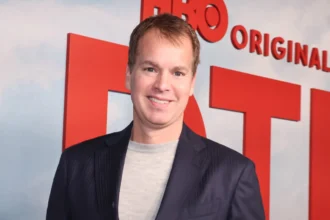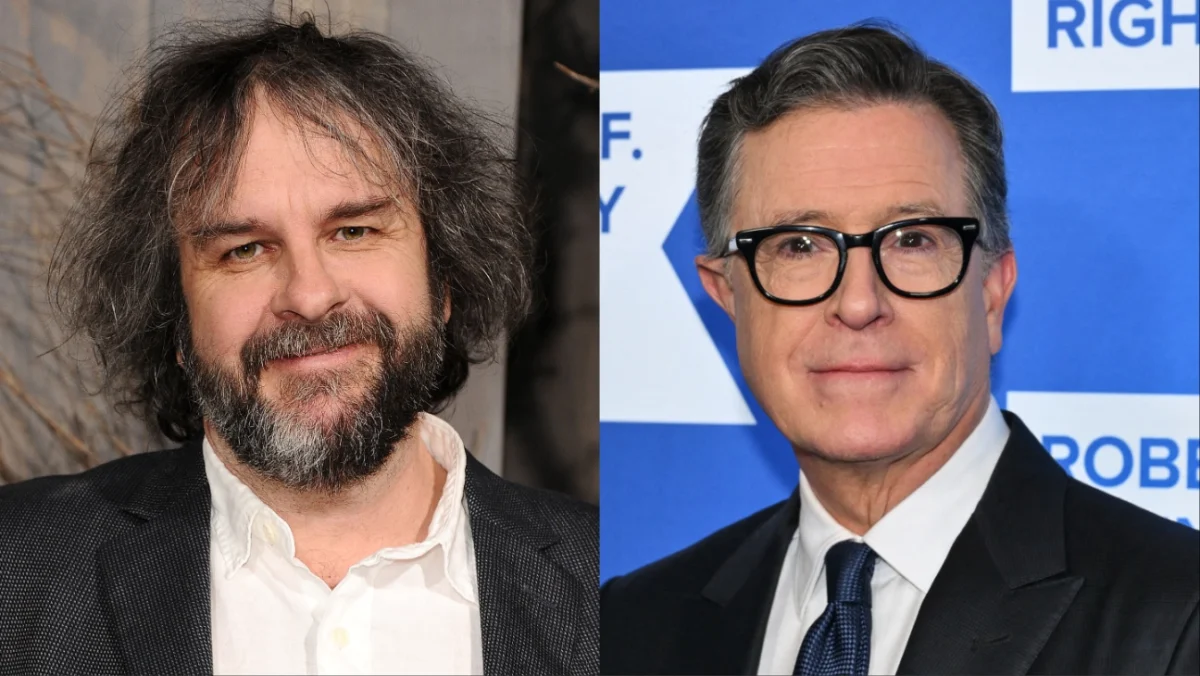
Emmy-winning television host Stephen Colbert has been tapped to co-write a new Lord of the Rings movie, marking a significant creative pivot for the long-time Tolkien enthusiast as he prepares for the conclusion of his late-night talk show. The project, currently bearing the working title The Lord of the Rings: Shadow of the Past, will see Colbert collaborate with Academy Award winners Philippa Boyens and Peter Jackson’s son, Peter McGee, joining the celebrated filmmaking trio of Jackson, Fran Walsh, and Boyens in shaping the future of Middle-earth on screen.
The announcement positions Shadow of the Past as the second of two new films slated for the beloved fantasy franchise, following the already revealed Lord of the Rings: Hunt for Gollum. Colbert personally confirmed his involvement via social media, alongside Peter Jackson, detailing how his deep immersion in J.R.R. Tolkien’s original texts sparked the idea for a narrative expansion that honors both the literary source material and the cinematic universe crafted by Jackson.
Background: Colbert’s Deep Roots in Middle-earth Lore
Stephen Colbert’s affinity for J.R.R. Tolkien’s The Lord of the Rings is not new to his audience or the public. For decades, the comedian has openly professed his profound devotion to Middle-earth, showcasing an encyclopedic knowledge of its history, languages, and characters. This lifelong passion has frequently surfaced in his work, from impromptu quizzes with cast members of the Lord of the Rings films to detailed discussions of Tolkien lore on The Late Show with Stephen Colbert. His expertise is widely acknowledged, making him a unique and perhaps surprising, but deeply authentic, choice to contribute to the franchise’s cinematic future.
Colbert’s engagement with the Lord of the Rings universe extends beyond casual fandom; he is known for his ability to quote passages from the books and discuss intricate details of the mythology, often impressing even the most ardent Tolkien scholars. This level of dedication lends an unusual credibility to his screenwriting endeavor, suggesting a genuine desire to uphold the integrity of Tolkien’s vision while bringing fresh storytelling to the screen.
The Genesis of Stephen Colbert’s Lord of the Rings Vision
The concept for Shadow of the Past originated from Colbert’s meticulous re-reading of The Fellowship of the Ring, the first volume of Tolkien’s epic. He identified a specific segment of the novel—chapters "Three Is Company" through "Fog on the Barrow-downs"—that he felt had been less thoroughly explored in the initial film adaptation. Colbert perceived within these early adventures a standalone story that could nonetheless seamlessly integrate into the broader narrative of Middle-earth, providing a unique opportunity to delve deeper into events preceding the War of the Ring.
"The thing I found myself reading over and over again were the six chapters early on in The Fellowship that y’all never developed into the first movie back in the day," Colbert stated in his social media announcement. "It’s basically chapters ‘Three Is Company’ through ‘Fog on the Barrow-downs,’ and I thought, Oh wait, maybe that could be its own story that could fit into the larger story. Could we make something that was completely faithful to the books while also being completely faithful to the movies that you guys had already made?"
This initial spark led Colbert to collaborate with his son, Peter McGee, also a screenwriter, to develop a coherent narrative, particularly focusing on a "framing device" that could anchor the story. It took Colbert several years to muster the courage to present his idea to Peter Jackson, the visionary director behind the original blockbuster trilogies. Approaching Jackson about two years ago, Colbert found a receptive audience, leading to a collaborative process that eventually brought in Philippa Boyens, a key architect of Jackson’s previous Lord of the Rings and The Hobbit adaptations. Warner Bros. executives Pam Abdy and Mike De Luca reportedly "loved" the concept, greenlighting the project.
Plot Details and Narrative Ambition for Shadow of the Past
The synopsis for The Lord of the Rings: Shadow of the Past reveals an intriguing dual narrative that bridges the gap between established events and new explorations of Middle-earth. The film is set "Fourteen years after the passing of Frodo," indicating a timeline well after the conclusion of the War of the Ring and the departure of many key figures to the Undying Lands.
The primary thread follows the beloved hobbits Samwise Gamgee, Merry Brandybuck, and Pippin Took as they embark on a journey to "retrace the first steps of their adventure." This suggests a reflective and perhaps nostalgic quest, allowing audiences to revisit familiar locales and themes through the eyes of characters who have endured profound experiences.
Concurrently, a new character takes center stage: Sam’s daughter, Elanor. The synopsis states she "has discovered a long-buried secret and is determined to uncover why the War of the Ring was very nearly lost before it even began." This storyline promises to introduce fresh mystery and historical depth, potentially exploring hitherto unseen vulnerabilities or forgotten pivotal moments in Middle-earth’s struggle against Sauron. The interplay between the hobbits’ journey and Elanor’s investigation will likely form the core of the film’s narrative structure, offering both a tribute to the past and an expansion into uncharted lore.
The ambition here is to create a story that is both "completely faithful to the books" and "completely faithful to the movies," a delicate balancing act that will be critical to fan reception. By focusing on specific, underexplored chapters and weaving in a new, compelling mystery through Elanor, the creative team aims to enrich the existing narrative without contradicting established canon.
The Expanding Lord of the Rings Cinematic Universe
The Lord of the Rings: Shadow of the Past is part of a broader strategy by Warner Bros. and New Line Cinema to expand the cinematic presence of Middle-earth. It follows The Lord of the Rings: Hunt for Gollum, which is currently in active development. Hunt for Gollum is directed by Andy Serkis, who will also reprise his iconic role as the titular character. The film is set between The Hobbit and The Lord of the Rings trilogies, focusing on Aragorn and Gandalf’s perilous quest to find Gollum and uncover crucial information about Bilbo’s mysterious ring.
The cast for Hunt for Gollum includes several notable returns and new additions. Ian McKellen is confirmed to be reprising his role as Gandalf, much to the delight of fans, and Elijah Wood has strongly hinted at his return as Frodo Baggins. Academy Award winner Kate Winslet has also joined the cast in an undisclosed role, signaling a high-profile production. The film is being produced by Zane Weiner alongside Peter Jackson, Fran Walsh, and Philippa Boyens, ensuring continuity with the creative team that defined the previous cinematic adaptations. The Hunt for Gollum is slated to hit theaters on December 17, 2027.
The concurrent development of these two films, alongside the existing Rings of Power series on Amazon Prime Video (which explores the Second Age), indicates a concerted effort to build a robust and interconnected Middle-earth cinematic universe. This strategy aligns with Hollywood’s increasing reliance on established intellectual properties, aiming to capitalize on the enduring global appeal of Tolkien’s world.
Stephen Colbert’s Career Transition
The announcement of Colbert’s screenwriting role comes as The Late Show with Stephen Colbert prepares for its final broadcast on May 21, following CBS’s decision to cancel the long-running late-night talk show. This timing positions the Lord of the Rings project as a significant new chapter in Colbert’s career, allowing him to transition from late-night comedy and political satire into a high-profile creative role within the fantasy genre.
While Colbert has previously demonstrated his acting chops in various cameos and voice roles, and has a strong background in sketch comedy and improvisation, this marks his most prominent foray into feature film screenwriting. The move highlights his versatility and deep-seated passion for storytelling beyond the confines of a talk show desk. It also reflects a trend among successful television personalities to expand their creative portfolios into film and streaming, leveraging their public profile and distinct voice to engage with new audiences and explore different artistic avenues. For Colbert, this transition represents a return to a more focused creative endeavor, allowing him to channel his profound knowledge and enthusiasm for Tolkien into a tangible cinematic contribution.
The Creative Team Behind Middle-earth’s Return
The involvement of Peter Jackson, Fran Walsh, and Philippa Boyens is a cornerstone of the new Lord of the Rings cinematic endeavors. This Oscar-winning trio was instrumental in bringing both The Lord of the Rings and The Hobbit trilogies to life, garnering critical acclaim and immense commercial success. Their return, even in a producing and advisory capacity for Shadow of the Past and directly collaborating on Hunt for Gollum, reassures fans about the commitment to quality and fidelity that characterized their earlier work.
Their experience in translating Tolkien’s complex narratives and rich world-building to the screen is unparalleled. For Shadow of the Past, their mentorship and collaboration with Stephen Colbert and Peter McGee are crucial, providing a bridge between the established cinematic aesthetic and new storytelling approaches. This blend of seasoned Middle-earth veterans with a passionate new voice like Colbert signifies a strategic approach to rejuvenating the franchise while maintaining its core identity.
Industry Implications and Fan Expectations
The decision to expand the Lord of the Rings cinematic universe with new films, particularly with a figure as prominent as Stephen Colbert in a creative role, carries significant implications for Warner Bros. and the broader fantasy genre. The Lord of the Rings remains one of the most revered and profitable intellectual properties in entertainment, but also one with an intensely devoted and critical fanbase.
Fan expectations are exceptionally high, demanding both innovation and unwavering loyalty to Tolkien’s vision. The lukewarm reception to some aspects of The Hobbit trilogy and the divisive reactions to Amazon’s The Rings of Power underscore the challenges inherent in expanding such a beloved saga. However, the direct involvement of Peter Jackson and his core creative team, coupled with Colbert’s renowned Tolkien scholarship, could help assuage some concerns, signaling a project rooted in genuine appreciation for the source material.
These new films will also test the market’s appetite for more Middle-earth stories on the big screen, alongside ongoing television series. Success could pave the way for a more expansive and continuous flow of adaptations, exploring different corners of Tolkien’s legendarium. The stakes are considerable, but the potential rewards—both critically and commercially—are immense for a franchise that has captivated generations.
Looking Ahead: The Future of Middle-earth
With Stephen Colbert co-writing The Lord of the Rings: Shadow of the Past, and The Hunt for Gollum already underway, Middle-earth is poised for a significant cinematic resurgence. This dual approach, blending prequel narratives with post-War of the Ring explorations, demonstrates a comprehensive strategy to engage both long-time fans and new audiences. The collaboration between established Middle-earth architects and fresh voices promises to infuse the franchise with renewed energy while honoring its storied legacy. As production gears up for these ambitious projects, the anticipation among fans for Colbert’s unique contribution to Tolkien’s world will undoubtedly grow, marking a fascinating new chapter for one of fantasy’s most enduring sagas.