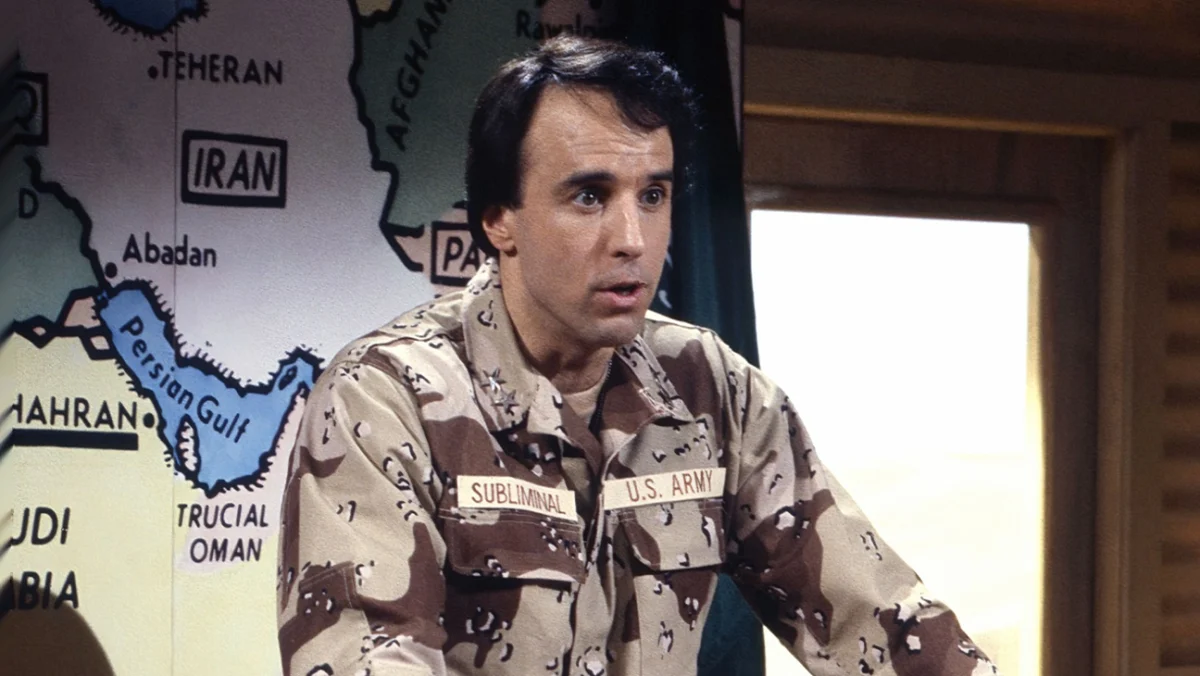
Veteran Saturday Night Live performer Kevin Nealon recently voiced strong disapproval regarding current cast members who break during sketches, becoming visibly amused and laughing on camera. The actor and comedian emphasized the dedication involved in crafting the show’s scripts, arguing that spontaneous laughter by performers can undermine the intended comedic impact, even if it elicits audience amusement. His comments surfaced following a recent episode of the long-running NBC sketch comedy series that featured host Ryan Gosling and featured player Ashley Padilla notably breaking character multiple times.
The Enduring Debate Over On-Air Breaks
Kevin Nealon, a prominent figure on Saturday Night Live from 1986 to 1995, including a significant tenure as the anchor for the "Weekend Update" segment, is known for his deadpan delivery and consistent professionalism. His career trajectory post-SNL has seen him maintain a respected presence in comedy and acting, making his critique resonate within the entertainment industry. The phenomenon of performers breaking character on SNL is not new, sparking an ongoing debate among fans, critics, and former cast members about its impact on the integrity and effectiveness of live comedy.
For decades, SNL has been a crucible for comedic talent, demanding precision, timing, and unwavering commitment to character under the intense pressure of live television. The show’s format, which often involves absurd scenarios and unexpected twists, inherently creates an environment ripe for spontaneous laughter. However, the line between genuine, audience-shared amusement and a perceived lack of professionalism from the performers remains a contentious one. Nealon’s recent remarks underscore this long-standing tension, drawing attention to the craft behind each sketch.
Nealon’s Critique and the Gosling Incident
Nealon articulated his stance via social media, stating, “I never broke character on SNL. I knew how much time the writers put into those scripts. You don’t want to be the one who throws it off.” His comment highlights a deep respect for the creative process and the collaborative effort required to produce a weekly live show. He further revealed insights into the show’s internal culture, adding, “Lorne [Michaels] doesn’t like when the cast breaks. Even if the audience laughs, it doesn’t work for the sketch.” This perspective from a former cast member provides a rare glimpse into the expectations set by SNL‘s legendary creator and executive producer.
To illustrate his point about maintaining composure, Nealon referenced a particularly challenging performance from his tenure. “If I could get through the Chippendales sketch, I could get through anything,” he quipped, referring to the iconic Season 16 skit from 1990. That sketch, featuring the late Chris Farley and Patrick Swayze auditioning as Chippendales dancers, was renowned for its physical comedy and the sheer difficulty of remaining straight-faced. Nealon’s ability to navigate such a scene without breaking character serves as a benchmark for his professional ethos.
The specific incident that brought the discussion to the forefront involved actor Ryan Gosling, who was hosting SNL for the fourth time, and featured player Ashley Padilla. During the "Passing Notes" sketch, both performers visibly struggled to maintain their composure, frequently dissolving into laughter. The sketch depicted Gosling as a high school principal and Padilla as a teacher, intercepting notes passed by students that, unbeknownst to them until live performance, contained embarrassing observations about their characters. This particular scenario led to repeated breaking character from both Gosling and Padilla, garnering significant attention from viewers.
It later emerged that the extensive breaking character by Gosling and Padilla was largely a result of a deliberate prank orchestrated by the SNL writing team. Writers Mikey Day, Streeter Seidell, and Alison Gates had reportedly altered the content of the notes just before the live broadcast. This meant Gosling and Padilla were reading entirely new, unexpected, and often more personal or absurd lines for the first time on air, making it exceedingly difficult to suppress laughter. Padilla subsequently acknowledged the prank on her Instagram Story, playfully thanking the writers for "absolutely destroying me on live television" and adding, "P.S. Gosling is the funniest person on the planet."
The Art of Live Comedy and Performance Integrity
The act of breaking character in live comedy presents a nuanced dilemma. On one hand, it can create a moment of shared humanity and spontaneity, allowing the audience to feel like they are "in on the joke" with the performers. The genuine laughter of a comedian can be infectious, often amplifying the audience’s enjoyment and creating memorable, unscripted moments that become viral sensations. This spontaneous element can imbue a live performance with an authentic, unpredictable charm that resonates deeply with viewers who appreciate raw, unfiltered entertainment.
However, from the perspective of a writer or director, and certainly from Nealon’s viewpoint, breaking character can be seen as undermining the meticulously crafted script and the illusion of the performance. Each line, each beat, and each character choice is designed to build a comedic narrative. When a performer laughs, it shatters the "fourth wall," momentarily pulling the audience out of the world of the sketch and disrupting the comedic flow. This disruption, Nealon argues, can prevent the joke from landing as intended, regardless of audience laughter, because it shifts the focus from the material to the performer’s reaction. Lorne Michaels’ reported disdain for such breaks reinforces the idea that, for the show’s leadership, maintaining the integrity of the performance is paramount.
The challenge is particularly acute in sketch comedy, where characters are often exaggerated and situations absurd. The commitment of the performers to fully embody these roles, no matter how ridiculous, is what often sells the humor. When that commitment wavers, even for a moment of genuine amusement, it can dilute the comedic impact. The debate also touches on the nature of improvisation versus script adherence within SNL‘s unique format, a tension that has always been a part of the show’s creative process.
Public Perception and Comedic Standards
The public’s reaction to breaking character on SNL is often divided. Many viewers find these moments endearing, a testament to the raw, live nature of the show and the genuine camaraderie among the cast. For some, witnessing a performer crack up adds an extra layer of enjoyment, making the comedy feel more authentic and less rehearsed. These unscripted glimpses behind the comedic curtain can create iconic SNL moments that are replayed and celebrated for their human element.
Conversely, a segment of the audience, aligning with Nealon’s perspective, views frequent breaking character as unprofessional or distracting. They argue that it detracts from the performance and signals a lack of discipline, particularly given the effort put in by the writing staff. This viewpoint emphasizes the importance of maintaining comedic integrity and the high standards expected from a show with SNL‘s legacy. The perceived ease with which some modern cast members or hosts seem to break during sketches can be seen by critics as a decline in the rigorous performance standards that defined earlier eras of the show.
The cultural impact of SNL means that these discussions extend beyond mere performance critique. They touch upon broader comedic standards, the evolution of humor, and the changing expectations of live television entertainment. In an age where blooper reels and behind-the-scenes glimpses are readily available and often celebrated, the intentionality of maintaining character might be less emphasized than in previous decades. However, for veterans like Nealon, the respect for the craft and the creative team remains a cornerstone of professional performance.
A Continual Challenge for Live Television
Kevin Nealon’s recent comments are not an isolated criticism but rather a renewed articulation of a long-standing point of contention within the Saturday Night Live ecosystem. While the specific incident with Ryan Gosling and Ashley Padilla was unique due to the prank, it nevertheless ignited a broader discussion about the boundaries of live performance and the expectations placed on comedic actors. There will likely be no immediate "consequences" for Gosling or Padilla, given the circumstances, but the dialogue Nealon initiated serves as a reminder of the differing philosophies regarding comedic delivery.
The challenge of avoiding breaking character has been a consistent feature throughout SNL‘s 51 seasons, with numerous iconic moments arising from cast members’ struggles to keep a straight face. From Jimmy Fallon’s notorious giggling fits to Bill Hader’s frequent struggles with Stefon, these moments are etched into the show’s history. However, Nealon’s perspective highlights a professional standard that prioritizes the written material and the overall integrity of the sketch above spontaneous, unscripted reactions.
Upholding the Legacy of Saturday Night Live
As Saturday Night Live continues its run as a cultural institution, the tension between spontaneous humor and performance discipline will undoubtedly persist. Kevin Nealon, a respected alum who anchored "Weekend Update" from 1986 to 1995, offers a valuable perspective rooted in decades of experience on the demanding live stage. His critique serves as a reminder of the rigorous professionalism often expected in sketch comedy, advocating for a focus on the meticulously crafted script and the comedic vision of the writers.
The debate ultimately revolves around the balance between authenticity and execution in live performance. While some viewers cherish the genuine moments of laughter that occur when performers break during sketches, others, like Nealon, prioritize the seamless delivery of the intended comedy. This ongoing discussion reinforces the dynamic nature of Saturday Night Live and its continuous evolution, even as it grapples with foundational questions about the art of comedic performance.