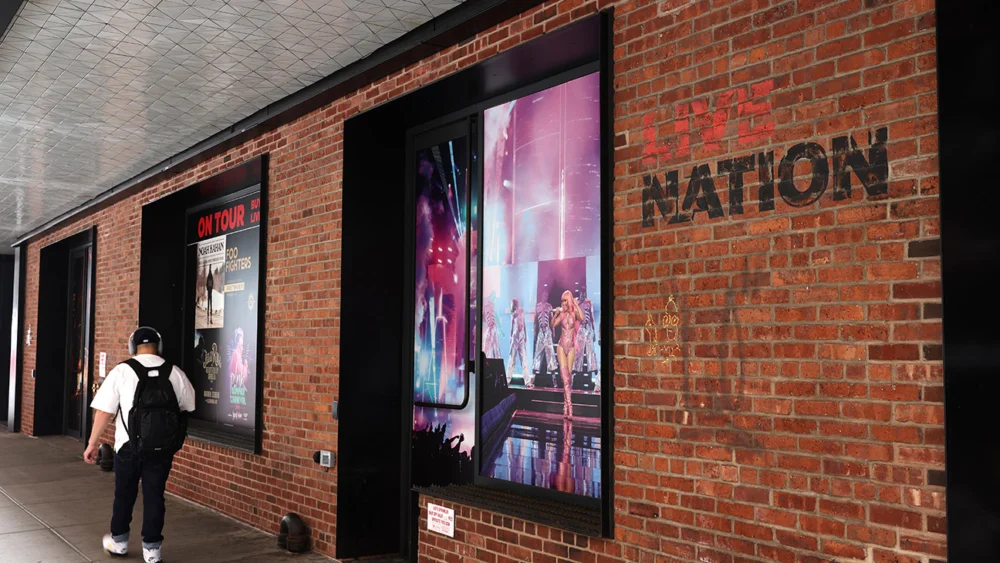
The Justice Department initiated its landmark antitrust trial against Live Nation on Tuesday, a proceeding shadowed by both the specter of a potential political settlement and the enduring public frustration stemming from Taylor Swift’s Eras Tour ticketing debacle. The high-stakes legal battle, unfolding in a Manhattan federal courthouse, pits the government against an entertainment giant accused of wielding monopolistic power across the live music industry.
The Genesis of the Antitrust Challenge
The Justice Department, joined by 40 state attorneys general, first filed a comprehensive lawsuit against Live Nation in May 2024. The complaint asserted that Live Nation Entertainment, which owns Ticketmaster, has systematically leveraged its dominant positions as the nation’s largest concert promoter, primary ticket seller, and venue owner to stifle competition and inflate prices for consumers. This legal challenge, brought forth under the Biden administration, represents a significant federal effort to address concerns that have long plagued the live entertainment sector.
Live Nation has vigorously contested these allegations, having previously attempted to dismiss the lawsuit without success. However, persistent whispers within legal and political circles have suggested the possibility of the company pursuing a settlement, particularly if the political landscape shifts with a change in presidential administrations. These conjectures gained traction following the resignation of DOJ Assistant Attorney General Gail Slater in February, amid reports that major corporations were seeking to bypass her office and negotiate directly with senior Justice Department officials.
Opening Volleys in a Manhattan Courtroom
Despite the lingering questions about a last-minute settlement, a 12-person jury was successfully empaneled on Monday, clearing the way for opening arguments to commence the following morning. The trial began with a clear and forceful statement from the prosecution. David Dahlquist, an attorney representing the Justice Department, articulated the government’s central thesis to the jury, declaring, "This case is about power. The power of a monopolist to control competition." Dahlquist emphasized the severity of the situation, asserting that "Today the concert industry is broken."
Before the trial officially opened, Live Nation secured a partial victory. U.S. District Judge Arun Subramanian granted the company’s motion to narrow the scope of the proceedings, dismissing claims that Live Nation had monopolized concert promotions and bookings outright. Nevertheless, the company still faces the formidable task of defending itself against allegations that it pressures venues into signing exclusive ticketing deals with Ticketmaster and compels artists to utilize its concert promotion services as a condition for performing in Live Nation-owned amphitheaters.
The Government’s Stance
Dahlquist meticulously laid out the government’s case, portraying Live Nation as an entity with an iron grip on crucial segments of the live music ecosystem. The DOJ’s estimates, presented in court, suggest that Live Nation controls an astounding 86 percent of primary concert ticketing at major venues and commands a substantial share of the amphitheater market. The prosecution contends that Live Nation exploits this market dominance by coercing venues into exclusive agreements with its promotion and ticketing arms. According to the DOJ, venues that resist are met with retaliation, facing the threat of Live Nation pulling lucrative shows from their schedules.
Further bolstering its case, the Justice Department plans to call John Abbamondi, the former CEO of BSE Global—which operates Brooklyn’s Barclays Center—to testify. Abbamondi’s testimony is expected to detail his organization’s brief departure from Ticketmaster in favor of SeatGeek and the subsequent pressures encountered. Additionally, the DOJ alleges that Live Nation has systematically quashed nascent competition through a pattern of acquiring related companies in the market and locking venues into restrictive, multi-year exclusive contracts, thereby cementing its monopolistic control.
Live Nation’s Rebuttal
In response, Live Nation’s attorney, David Marriott, presented a contrasting narrative. Marriott depicted the company as a benevolent force in the entertainment world, focused on "bringing joy to people’s lives" through the magic of live music. He challenged the Justice Department’s calculations of Live Nation’s market share, arguing that the government’s methodology was selective and failed to account for the broader, more competitive landscape of the ticketing market. Marriott also highlighted that Live Nation does not promote all major artists, notably citing its non-involvement in the promotion of Taylor Swift’s monumental Eras Tour, among others.
The Unshakeable Shadow of Taylor Swift
Despite Live Nation’s attempts to distance itself from some of the industry’s most high-profile events, Taylor Swift’s name continues to be a persistent and problematic presence for the company. The chaotic presale for the Eras Tour in 2022, characterized by widespread site outages, unprecedented demand, and agonizingly long wait times on Ticketmaster, resurfaced as a key point of contention during the trial’s opening arguments. This incident had previously drawn congressional scrutiny and fueled public outrage, becoming a flashpoint in the broader debate over ticketing practices.
The Justice Department revealed in its opening statement that it possesses internal messaging from Live Nation employees, allegedly describing Ticketmaster’s system as being "held together by duct tape" in the aftermath of the Swift ticketing debacle. This internal communication is presented as evidence of the company’s systemic vulnerabilities and its inability to adequately manage high-demand events.
Marriott, acknowledging that "there was a problem" during the Swift onsale, offered a more nuanced explanation. He argued that the "duct tape" comment, when viewed in its full context, did not reflect a broken system but rather the extraordinary, unprecedented nature of the demand. He contended that no other ticketing company in the world could have effectively handled the immense rush for Eras Tour tickets, which he characterized as the single largest onsale by an artist ever recorded.
Exclusive Deals and Fan Damages
Beyond the Swift controversy, Marriott defended Live Nation’s practice of entering into long-term, exclusive contracts with venues. He asserted that these agreements are mutually beneficial, providing venues with substantial upfront cash payments and guaranteeing a superior, more streamlined ticketing experience for their patrons. He directly addressed the anticipated testimony regarding alleged retaliation against venues, stating, "Saying you’re better is not a threat," as he sought to preempt the impact of John Abbamondi’s expected account, which includes a recorded phone call discussing the switch to SeatGeek.
The financial implications of Live Nation’s alleged monopolistic practices extend directly to consumers. Twenty-five of the states participating in the DOJ’s lawsuit are actively seeking damages from Live Nation, alleging that Ticketmaster has systematically overcharged fans through excessive fees and inflated prices.
Navigating a Complex Legal Battle
Given the intricate nature of antitrust law, and with the case being tried before a 12-person jury, both the prosecution and defense took considerable pains to simplify the process for the jurors. They provided detailed explanations and visual aids illustrating the complex ecosystem of how artists, promoters, and various entities collaborate to book and execute a tour, and how profits are ultimately distributed. This educational approach underscores the challenge of communicating complex economic and legal arguments to a lay jury.
The trial is set to feature a robust roster of witnesses. Live Nation CEO Michael Rapino is expected to take the stand this week, alongside other company executives, concert promoters, venue owners, and representatives from competing ticketing services. In a move that highlights the cultural impact of the case, Drake’s manager, Adel Nur, is slated to testify, as is artist Kid Rock, who will be called by Live Nation. Additionally, Dan Wall, Live Nation’s executive vice president for corporate and regulatory affairs, whose previous statements have been central to the company’s defense, is also expected to offer testimony.
The Stakes: A Potential Breakup and Industry Overhaul
The ultimate remedy sought by the Justice Department is nothing less than a complete breakup of Live Nation and Ticketmaster, effectively unwinding the controversial merger that was approved over a decade ago in 2010. The government’s core objective with this proposed divestiture is to inject competition back into the market, which they believe will lead to a significant reduction in ticket prices for consumers.
However, Live Nation remains steadfast in its belief that such a drastic measure is unwarranted, particularly given the judge’s decision to narrow the scope of the trial. Following that ruling, Dan Wall, a prominent voice for Live Nation, publicly stated his conviction that there is "no possible basis for breaking up Live Nation and Ticketmaster," signaling the company’s firm opposition to the DOJ’s primary objective. The outcome of this trial will undoubtedly reshape the landscape of the live entertainment industry, impacting artists, venues, and millions of concertgoers across the nation.