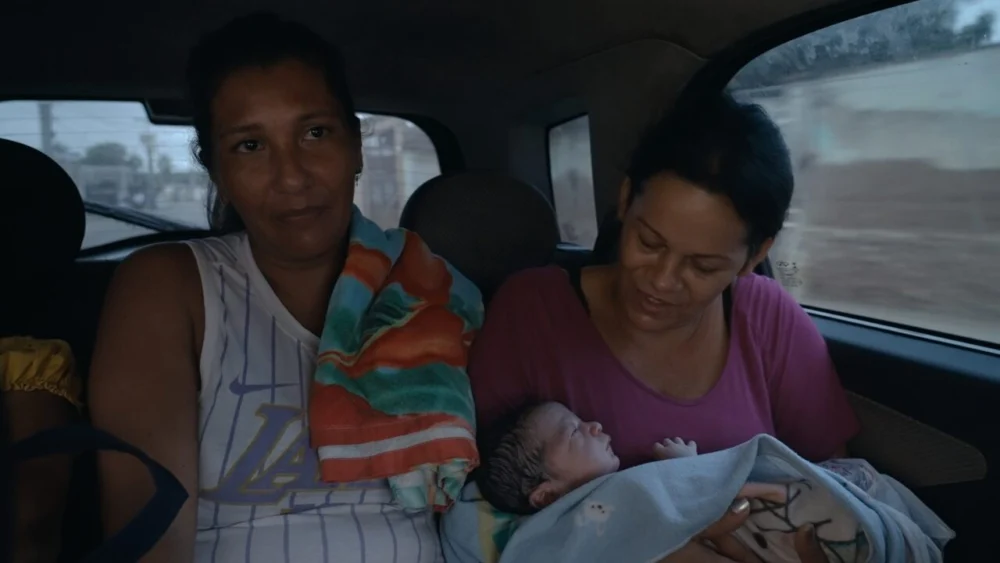
Copenhagen, Denmark – A new documentary feature, The Cord (Le cordon), offers an unvarnished look into Venezuela’s crumbling healthcare system, spotlighting the extraordinary efforts of a local woman fighting to preserve life amid widespread scarcity. Directed by French journalist-turned-filmmaker Nolwenn Hervé, the film centers on Carolina, a "maternity warrior" described as relentlessly working to maintain the critical link between pregnant women and their babies in a nation where giving birth has become a perilous act for the underprivileged.
The Cord made its world premiere on Saturday, March 14, as a contender in the main competition of CPH:DOX, the Copenhagen International Documentary Film Festival, which runs through March 22. The film provides a visceral portrayal of resilience and community action in the face of systemic collapse, drawing strength from themes of solidarity and sisterhood.
Venezuela’s Healthcare Crisis: A Bleak Backdrop
Venezuela has been embroiled in a profound socioeconomic and political crisis for over a decade, leading to hyperinflation, severe food and medicine shortages, and a mass exodus of its population. This protracted emergency has decimated the nation’s public services, with the healthcare sector among the hardest hit. Hospitals across the country frequently lack basic supplies, essential medications, and even running water or electricity, forcing medical professionals to improvise and patients to confront life-threatening conditions.
The once-robust oil-producing nation, particularly regions like Maracaibo, has seen its infrastructure decay dramatically. Maracaibo, the country’s second-largest city and the heart of its oil industry, now symbolizes the depth of the crisis, with its public hospitals struggling to provide even rudimentary care. This dire situation has led to a significant increase in maternal and infant mortality rates, pushing desperate women to seek safer birthing options, often across national borders, or rely on informal networks within their communities.
The Genesis of The Cord: A Journalist’s Transformation
Nolwenn Hervé’s journey to filmmaking began unexpectedly during a journalistic assignment in Venezuela in 2016. Initially reporting on oil smuggling for French television, she quickly encountered the grim realities of the country’s failing health infrastructure. Hervé witnessed firsthand the desperate plight of Venezuelan women crossing into neighboring Colombia, driven by the fear of losing their babies or their own lives during childbirth in their homeland.
Her investigations led her to a nurse in Maracaibo, a city whose historical wealth from oil production starkly contrasted with the destitution she observed. The nurse revealed the shocking conditions within a public hospital, where malnourished children were common, and medical staff, including the nurse herself, resorted to selling goods on the street to supplement meager, insufficient salaries. This experience deeply affected Hervé, moving her beyond her role as a detached observer. "I was really touched, not only as a journalist, but also as a woman," she recounted. This profound personal connection prompted her to shift from journalistic reporting to a more subjective and artistic form of storytelling, embarking on the five-year endeavor to create her first feature film, The Cord.
Carolina: A Beacon of Hope Amidst Despair
At the heart of The Cord is Carolina, a figure whom Hervé describes as the soul of the film. Hervé met Carolina in 2021 through a mutual Colombian friend, a meeting she recalls as "really impactful." Carolina’s unwavering energy and spirit quickly convinced Hervé that she had found the perfect protagonist to embody the struggle and resilience of Venezuelan women.
Carolina operates as a grassroots leader, building a powerful resilience network within her neighborhood. She champions the fight for bodily autonomy and safe birthing conditions, striving to create a unique model of care. This vision integrates ancestral practices with Western medicine, fostering a community-led approach where women can reclaim control over their bodies, their births, and their futures. Her efforts provide a crucial lifeline in a system that has largely abandoned its most vulnerable citizens.
The documentary captures Carolina’s remarkable ability to infuse hope and even joy into dire circumstances. Hervé fondly recalls Carolina’s pride in being able to make dying people laugh, a testament to her vibrant spirit and profound humanity. "She’s just full of energy, full of life," Hervé observed, highlighting how Carolina’s spirit transforms the narrative of suffering into one of enduring human connection and collective strength.
The Power of Solidarity and Sisterhood
Despite the harrowing subject matter, The Cord is not solely a depiction of hardship and negativity. The film, much like its protagonist, radiates a powerful message of hope and collective action. Hervé intentionally steered the narrative to emphasize how solidarity and sisterhood emerge as fundamental survival mechanisms when governmental systems fail.
The documentary illustrates women banding together, creating informal support systems, and demonstrating an extraordinary capacity for mutual aid. "It was a beautiful lesson for me to see all these women together who are feeling, yes, we’re suffering a lot, but we’re together," Hervé reflected. This communal strength, born from shared adversity, forms the emotional core of The Cord, offering a compelling counter-narrative to the pervasive despair of the Venezuelan crisis. The film underscores that even in the darkest times, human connection and shared struggle can forge unbreakable bonds and inspire change from the ground up.
Global Resonance of The Cord‘s Message
Hervé emphasizes that the story of Carolina and Venezuela, while specific, carries profound universal implications. She views Venezuela as a powerful metaphor for broader global challenges, particularly the consequences of a capitalist world reliant on dwindling resources like petrol, coupled with the rise of authoritarianism and conservative policies that often lead to cuts in essential public services.
The filmmaker draws parallels to Western societies, noting that even in countries like France, maternal mortality rates are on the rise, suggesting that the erosion of healthcare access is not confined to developing nations. This perspective broadens the scope of The Cord beyond a regional crisis, positioning it as a commentary on universal threats to public health and human rights. The film’s overarching message, according to Hervé, is a simple yet potent call to action: "Let’s stay together and let’s remain solidary." This plea for collective unity resonates deeply in an increasingly fragmented world, making The Cord a timely and relevant piece of social commentary.
Festival Showcase and Distribution Pathways
The Cord‘s selection for CPH:DOX, one of the world’s leading documentary film festivals, highlights its critical acclaim and potential for international reach. The festival is renowned for its progressive programming and focus on impactful, socially conscious documentaries.
Beyond its main competition slot, The Cord is also one of six films featured in the second edition of "Europe Docs!" This online showcase, a joint initiative by European Film Promotion and CPH:DOX, aims to elevate outstanding European documentaries and enhance their access to the crucial North American market. Such platforms are vital for independent films like The Cord to secure distribution, reach broader audiences, and amplify their urgent messages globally. Hervé served as both director and cinematographer for the film, with Estelle Robin You producing. Grande Ourse Films is handling the international sales, seeking to bring this powerful narrative to screens worldwide.
A Personal and Universal Endeavor
The journey of creating The Cord forged a deeply personal bond between Hervé and Carolina. The filmmaker’s commitment extended beyond professional documentation, culminating in her becoming the godmother to Carolina’s youngest daughter. This intimate connection underscores the trust and shared humanity that developed over the extensive five-year production period.
Hervé acknowledges that some might question her role as a French filmmaker documenting a crisis in Venezuela. However, she firmly asserts that her involvement transcends national borders or cultural differences. "It was something much more universal about being women and being together and just talking and experiencing what life and death are," she explained. This perspective positions The Cord not merely as a report on a specific geopolitical crisis, but as a profound exploration of universal human experiences: the struggle for survival, the power of compassion, and the enduring strength of the human spirit in the face of overwhelming adversity. The film stands as a testament to the transformative power of solidarity, urging viewers to recognize and act upon the interconnectedness of global communities in the ongoing fight for health and dignity.