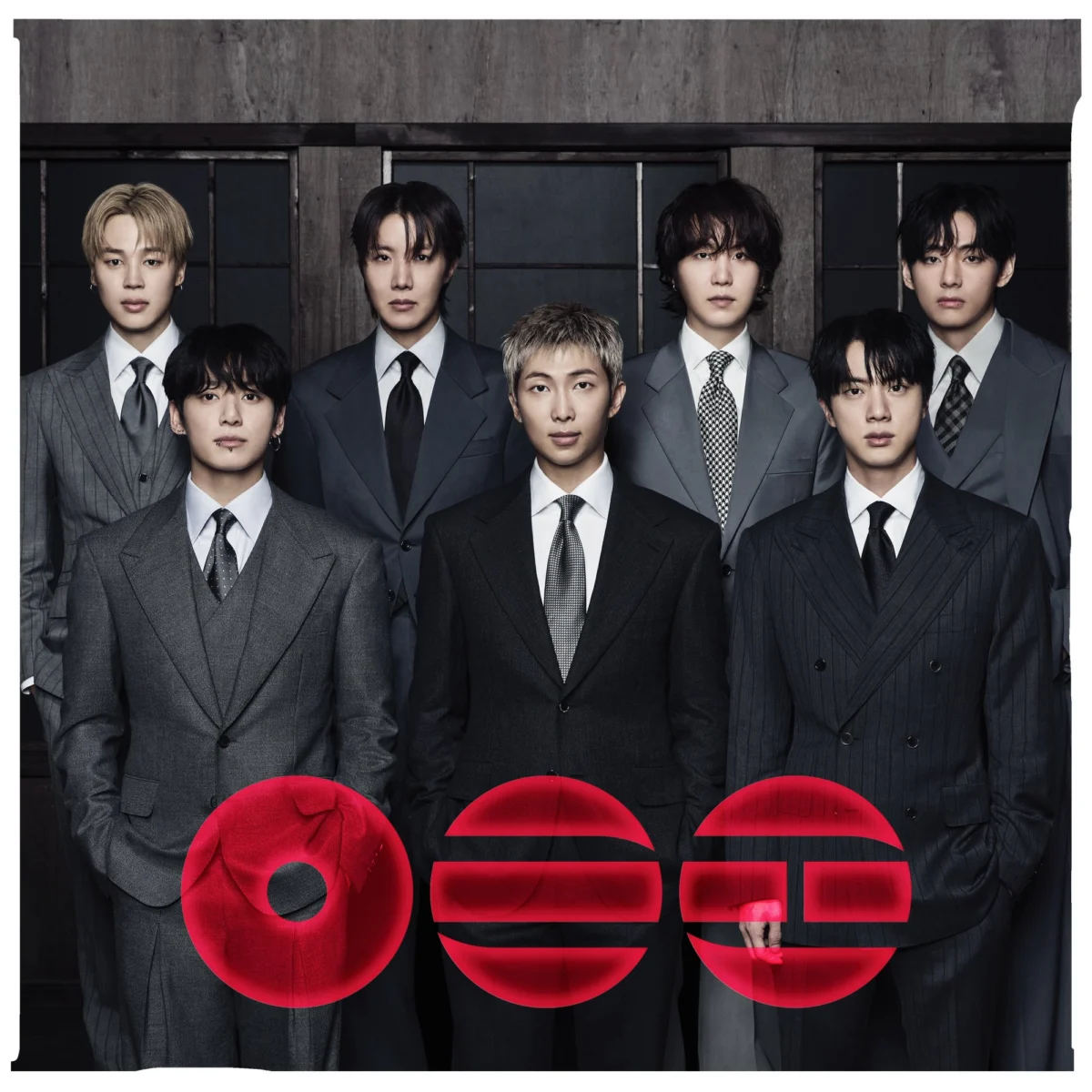
The release of the BTS Arirang album on March 23, 2026, marks a pivotal moment for the South Korean septet as they confront the digital infrastructure that facilitated their unprecedented rise to global dominance. This fifth studio album arrives following a four-year hiatus during which the members completed mandatory military service and pursued individual projects, returning to a media landscape that has fundamentally shifted since their last collective effort. On Arirang, the group delivers a direct challenge to the modern digital experience, opening the project with a request for listeners to put their devices down and engage with the music in a state of physical and mental presence.
The central paradox of the BTS Arirang album lies in its relationship with social media. For over a decade, BTS served as the blueprint for the "extremely online" artist, utilizing platforms like Twitter and V Live to bypass traditional gatekeepers and forge an intimate, unmediated bond with a global audience. This digital-first strategy transformed the K-pop industry, proving that localized content could achieve universal reach through the power of fan-led translation and algorithmic amplification. However, Arirang suggests a growing weariness with the very tools that enabled this ascent, reflecting a broader cultural exhaustion with screen fatigue and the "clip economy."

A Return to Sonic Foundations and Korean Heritage
The BTS Arirang album draws its title from the traditional Korean folk song "Arirang," a cultural touchstone that symbolizes longing, resilience, and the spirit of the Korean people. By invoking this heritage, the group signals a departure from the polished, English-language pop hits like "Dynamite" and "Butter" that defined their 2020-2022 era. Instead, the new project re-centers the group within their original hip-hop sensibilities and sharp, socially conscious lyricism. This shift represents a "homecoming" for the members, who have spent years scaling their sound for Western radio and stadium tours.
Musically, the album is divided into two distinct halves. The first stretch is characterized by high-energy production and restless transitions that mirror the frantic pace of a social media feed. Tracks like "Body To Body" and "FYA" utilize club-oriented beats and rapid-fire verses, capturing the atmosphere of virality where moments are engineered for immediate capture and circulation. In "Body To Body," leader RM delivers a pointed critique of concert culture, urging fans to experience the performance directly rather than through a smartphone lens.
Navigating the Challenges of the "Shorts Generation"
A significant portion of the BTS Arirang album serves as a commentary on the changing lifecycle of music in the age of TikTok and YouTube Shorts. In a March 2026 interview with Bloomberg, members Jimin and RM discussed the pressure to create shorter, more immediate songs to cater to declining attention spans. RM noted that several tracks on the album were trimmed by 15 to 20 seconds during final production to better suit the "Shorts generation." This acknowledgement highlights the tension between artistic intent and the demands of an algorithmically driven industry.

The album’s structural centerpiece, a track titled "No. 29," provides a stark contrast to this brevity. The song features the uninterrupted tolling of the Sacred Bell of Great King Seongdeok, a national treasure of South Korea. By including a sound that cannot be easily clipped into a viral trend or condensed into a loop, BTS forces a moment of stillness and reflection. It serves as a sonic "reset" before the album’s second half, which takes a more introspective, atmospheric turn.
The Fractured Digital Monoculture of 2026
The environment into which the BTS Arirang album has been released is vastly different from the one that existed during the group’s "Love Yourself" or "Map of the Soul" eras. The dissolution of centralized platforms like Twitter (now X) has led to a fragmentation of the global fan community. Where discourse once moved in massive, unified waves, it is now dispersed across private group chats, algorithmically isolated feeds, and niche communities. This shift has altered the way the group’s work is consumed and critiqued.
Unlike previous releases, which were often met with a near-total consensus among the "ARMY" fandom, the reaction to Arirang has been more varied and critical. Industry analysts suggest this is a sign of a maturing fandom and a more honest dialogue between the artist and the audience. BTS appears to lean into this lack of consensus, with the track "Normal" addressing the instability of constant visibility. In the song, Suga acknowledges that "guns, knives, and keyboards" are now part of the daily reality of fame, equating the digital vitriol of the comment section with physical weaponry.

Physicality and Performance at Gwanghwamun Gate
To celebrate the launch of the BTS Arirang album, the group staged a massive live comeback concert in central Seoul, which was later broadcast as a Netflix special. The choice of location—Gwanghwamun Gate—was deeply symbolic. By performing in one of Korea’s most historic public squares, BTS moved their narrative from the digital cloud back to the physical earth. The event involved shutting down major city streets and drawing tens of thousands of fans into a shared, real-time experience.
This emphasis on physicality is echoed in the album’s standout track, "Like Animals." The song features a hazy, grunge-influenced production that feels less polished than the group’s typical output. The lyrics explore the idea of untameable instincts and the beauty found outside of controlled, curated environments. It serves as a rejection of the "idol" archetype that requires constant performance and translation for a digital audience, instead favoring a raw, carnal connection.
Industry Implications and the Future of K-pop
The BTS Arirang album arrives at a time when the K-pop industry is grappling with its own sustainability. As the first group to successfully navigate the transition from a domestic Korean act to a global phenomenon, BTS’s movements are closely watched by other agencies and artists. The group’s decision to move away from "viral-ready" pop and toward more complex, culturally specific themes suggests a shift in how global success is measured.

Industry experts believe that Arirang may signal the end of the "expansionist" phase of K-pop, where the primary goal was to conquer new territories and charts. Instead, BTS is modeling a form of "durable" success—one that prioritizes longevity and artistic integrity over immediate algorithmic dominance. By asking what comes after the internet, BTS is essentially asking what remains of an artist when the digital noise is stripped away.
The Enduring Legacy of the Arirang Sentiment
As the album concludes with the lead single "Swim," the group settles into a theme of suspension rather than motion. The song’s steady, rhythmic pull mirrors the tide, suggesting that BTS is no longer chasing time or trends but is instead content to "tread water" in a vast, open ocean of their own making. This sense of peace is a far cry from the frenetic energy of their early career, reflecting a group that has found its center after years of being pulled in every direction by the demands of global stardom.
The BTS Arirang album does not offer a final solution to the problems of the digital age, nor does it provide a roadmap for how other artists should navigate the fractured media landscape of 2026. Instead, it serves as a sophisticated, multi-layered reflection on the nature of connection in a world where intimacy is often performed and visibility is a form of currency. By grounding themselves in the tradition of the "Arirang" folk song—a melody that has survived for centuries without the aid of an algorithm—BTS asserts their place in a lineage that extends far beyond the limits of the internet.