The digital landscape for casual dating has undergone a radical transformation in 2026, driven by a surge in artificial intelligence integration and a market-wide shift toward "clear-coding" among Gen Z and millennial users. As the multi-billion-dollar dating industry grapples with user fatigue and declining stock prices, a new generation of platforms has emerged to streamline the process of finding short-term connections. Industry analysts report that the current market is defined by a paradox: while users express burnout with traditional swiping, the demand for high-efficiency, transparent hookup services has reached record highs, particularly in urban hubs and major event host cities.

The evolution of the best hookup apps of 2026 reflects a broader cultural movement toward "purposeful pleasure," a term coined by sociologists to describe a rejection of ambiguous "situationships" in favor of upfront sexual honesty. This shift has forced industry titans like Match Group and Bumble Inc. to rearchitect their core functionalities. No longer content with vague bios, the 2026 dater utilizes AI-powered "vibe-check" tools and verified "intentions" badges to bypass the small talk that characterized the previous decade of digital romance.
Market Leaders and the AI Revolution in the Best Hookup Apps of 2026
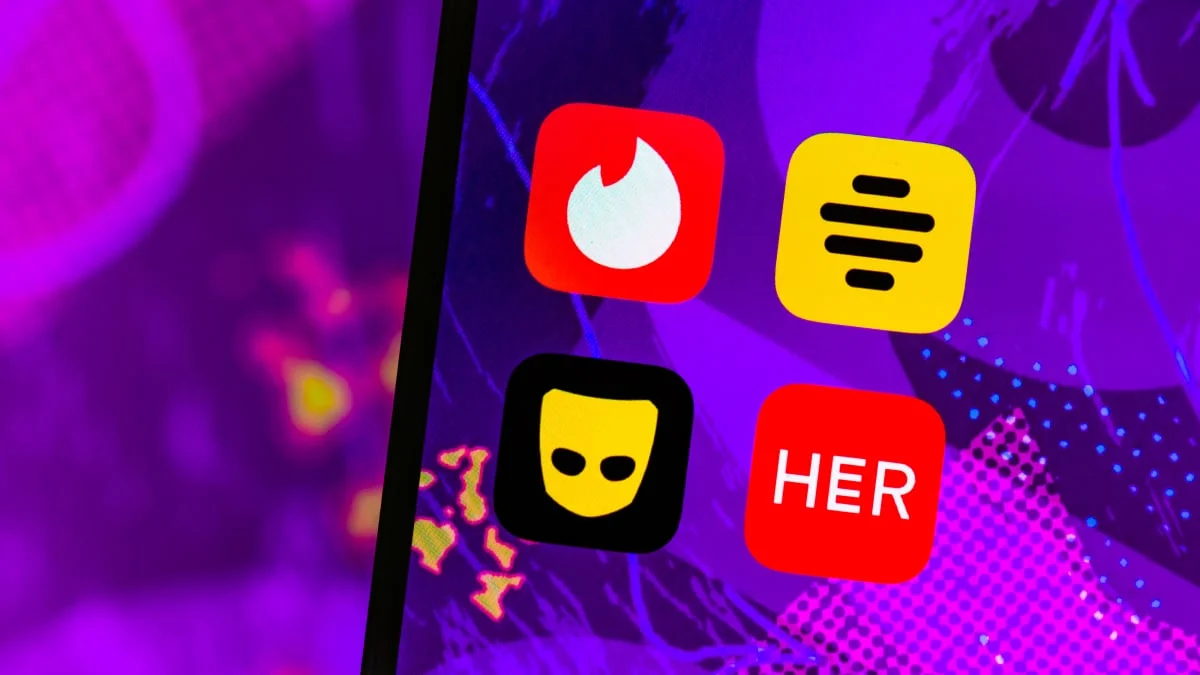
Tinder remains the undisputed heavyweight in the casual dating space, though its strategy has pivoted significantly under the leadership of CEO Spencer Rascoff. In a bid to reach gender parity and appeal to a more discerning Gen Z demographic, the platform has moved away from its "wild west" reputation toward a more regulated, safety-first environment. Despite these corporate shifts, Tinder reported a massive spike in activity during the early summer of 2026, particularly in FIFA World Cup host cities. In Los Angeles and Miami, match rates surged by nearly 60 percent as tourists utilized the app’s "Free Tonight" feature to find immediate connections.

The integration of the "Tinder Sparks" product suite has introduced AI-powered chemistry matchmakers and "Astrology Mode," but the real driver of the platform’s 2026 success is the "Events" tab. This feature allows photo-verified users to RSVP to low-stakes group hangouts, effectively blending digital discovery with real-world interaction. Financial reports from Match Group indicate that new user registrations returned to year-over-year growth in March 2026, signaling a recovery for the app that many critics had previously written off as a relic of the 2010s.
Meanwhile, Hinge has successfully challenged the notion that it is exclusively for long-term relationships. By leveraging its "Dating Intentions" section, Hinge has become one of the best hookup apps of 2026 for those who prefer a baseline of personality before a physical encounter. According to internal data, 75 percent of the app’s Gen Z users now filter exclusively by "short-term" or "figuring it out" badges. The platform’s new "Signals" badge, a purple heart icon, further streamlines the process by highlighting users with a 30-day track record of "thoughtful participation," effectively weeding out the "flakes" that have long plagued the digital dating ecosystem.

Safety, Verification, and the War Against Scammers
The rise of the best hookup apps of 2026 has been accompanied by an unprecedented focus on security and facial recognition technology. Following a series of high-profile data breaches and catfishing scandals, the industry has moved toward mandatory verification. Match Group now spends upwards of $125 million annually on trust and safety, implementing "Face Check" requirements that mandate facial recognition scans for all new U.S. users. This aggressive stance follows a viral 2025 trend where scammers used digitally altered photos to bypass earlier iterations of verification software.
Security concerns reached a fever pitch in early 2026 when Bumble Inc. was hit with a massive class-action lawsuit. The litigation alleges that the hacker group ShinyHunters successfully breached the platform’s defenses, exposing sensitive user data including dating preferences and Social Security numbers. This breach, combined with a 14 percent decline in monthly active users, has fueled rumors that Bumble is exploring a potential sale. Despite these setbacks, Bumble remains a top choice for women in the hookup space, recently introducing "Opening Moves" and "ethical non-monogamy" badges to help users set the pace of their interactions.

Governmental oversight has also tightened. In March 2026, the Federal Trade Commission (FTC) reached a landmark settlement with Match Group regarding OkCupid’s handling of user data. The settlement followed allegations that the platform shared 3 million user photos with a third-party AI company for facial recognition training without explicit consent. As a result, OkCupid is now under a strict federal order to maintain transparent privacy policies, a move that advocates say has made it a safer, albeit more scrutinized, option for sex-positive daters.
The Rise of Niche Platforms and Cruising Culture
As mainstream apps become more regulated, niche platforms have seen explosive growth by catering to specific subcultures. Pure, an app built on the principle of 24-hour self-destructing chats and total anonymity, reported a 95 percent increase in year-over-year registrations. Positioned as one of the best hookup apps of 2026 for the "artsy and adventurous," Pure’s redesign focuses on "Turn-ons" and "Profile Aesthetics," allowing users to customize their advertisements for casual sex with vibrant color patterns and kink-specific tags.

The queer community has also seen a diversification of services. Grindr, the long-standing leader for gay and bisexual men, has entered its "AI era" with the launch of "EDGE." This $500-a-month subscription tier uses a proprietary "gAI" stack to summarize chats and provide an AI "wingman" to filter potential matches. However, the high price point has driven many users toward Sniffies, a web-based cruising platform that Match Group recently invested $100 million into. Sniffies brings the tradition of cruising into the 21st century with live map avatars and "Cruiser Cards" that show exactly who is available for a hookup within a few blocks.
For the lesbian and non-binary community, HER remains the primary destination, despite anxieties surrounding its acquisition by Match Group in 2025. The platform’s "Feelings" feature—temporary tags like "Flirty" or "Hook up"—allows for real-time expression of desires. To maintain its edge, HER launched the "Everything Reminds Me of HER" viral billboard campaign, which utilized sensual innuendos to celebrate sapphic sexuality, proving that the app intends to keep its unapologetic spirit alive under new corporate ownership.

Kink, Gaming, and the Intersection of Communities
The definition of the best hookup apps of 2026 has expanded to include social networks that prioritize specific interests over traditional swiping. FetLife, the de facto social network for the kink community, has seen a surge in users who identify as "kinky gamers." Sexologists note that the overlap between the gaming and BDSM communities has turned FetLife into a premier destination for "nerds" looking for fringe connections. By allowing users to vet partners through shared interests in rope suspension or tabletop gaming, FetLife provides a foundation for trust that standard dating apps often lack.
Similarly, Feeld has successfully rebounded from a disastrous 2023 rebrand to become the top choice for polycules and those exploring ethical non-monogamy. The app’s "Reflections" tool, an interactive quiz designed to map out boundaries and kink affinities, has been cited by 72 percent of its users as a key factor in improving their sexual communication. Even as "vanilla" users begin to flock to the app, Feeld maintains its "otherness" by offering more than 20 labels for relationship styles, ranging from "Lover" to "Relationship Anarchy."

Broader Impact on Public Culture and Industry Future
The proliferation of the best hookup apps of 2026 has had a measurable impact on public social habits. The "Celiba-Z" trend, where young people opt for periods of celibacy followed by highly intentional sexual encounters, has changed the revenue models of these platforms. Instead of relying solely on monthly subscriptions, apps are increasingly moving toward "pay-per-event" models. Bumble’s "Plans" feature, which charges users a flat fee to attend curated IRL gatherings, is a direct response to the "app fatigue" that has seen stock prices for major dating companies plummet by as much as 96 percent from their IPO highs.
Looking forward, the industry is bracing for further disruption as AI moves from the background to the foreground. Industry leaders suggest that by the end of 2026, the traditional "swipe" may be entirely replaced by AI concierges that curate dates and handle the initial "vibe-check" messaging on behalf of the user. While critics argue this turns dating into an "artificial hellscape," proponents suggest it is the only way to save an industry struggling with a 14 percent decline in active engagement.

As the summer of 2026 continues, the best hookup apps of 2026 will likely be defined by their ability to balance these high-tech shortcuts with a fundamental human need for safety and authenticity. Whether through $500 AI assistants on Grindr or self-destructing "True Photos" on Pure, the goal remains the same: a faster, safer, and more honest path to connection in an increasingly digital world. The consequences of this shift—both for the companies managing the data and the millions of individuals swiping until their thumbs hurt—will continue to shape the social fabric of the late 2020s.