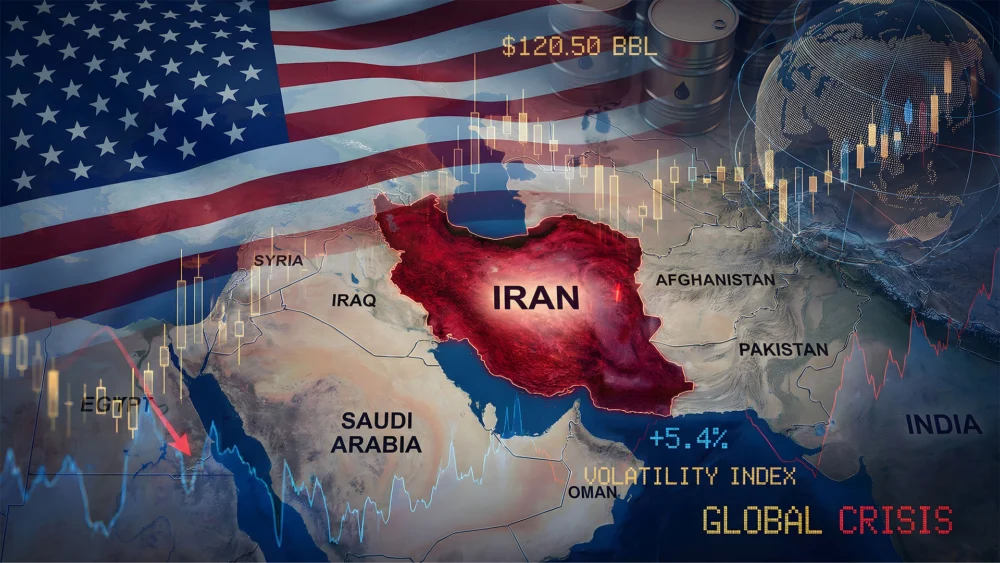
The escalating conflict in the Middle East has triggered a seismic shift in global energy markets, creating a complex landscape where some nations stand to gain significantly while others grapple with mounting economic pressures and the specter of widespread inflation. As crude oil prices surge to new heights, the world’s deep-seated reliance on a few critical maritime transit points has been starkly exposed, amplifying supply chain vulnerabilities and redrawing the geopolitical energy map.
The Chokepoints Under Pressure
At the heart of the current crisis lies the Strait of Hormuz, a notoriously narrow waterway that serves as a vital artery for a significant portion of the world’s oil and liquefied natural gas (LNG) shipments. Its closure, whether by direct action or indirect threat, immediately injects immense uncertainty into the global energy supply, sending shockwaves across continents. The longer this strategic chokepoint remains compromised, the more profound and potentially irreversible the reshaping of the global energy order will become.
From the industrialized nations of Europe to the rapidly growing economies of Asia, countries are confronting a dual threat: mounting supply risks and the looming specter of an inflationary shock that could cripple consumer spending and business investment. The potential for a prolonged conflict involving major global players like the United States, Israel, and Iran means that finding readily available and cost-effective alternatives to disrupted oil and gas flows will be an increasingly formidable challenge.
Russia: An Unforeseen Beneficiary of Global Turmoil
Amidst the widespread apprehension, one nation appears poised to emerge as a significant beneficiary of the escalating global energy crisis: Russia. Despite facing unprecedented Western sanctions following its invasion of Ukraine, soaring global energy prices are effectively filling Moscow’s coffers. This influx of revenue provides a crucial economic lifeline for the Kremlin, potentially bolstering its ability to sustain its military operations and withstand international pressure.
The irony is not lost on observers, as the very sanctions intended to cripple Russia’s economy are, in part, contributing to the very market conditions that are enriching it. The complex interplay of supply disruptions, geopolitical maneuvering, and market speculation has created a scenario where the intended consequences of punitive measures are being significantly diluted by the broader global energy dynamics.
Europe’s Energy Dilemma: Facing a Harsh Winter
For European nations, heavily reliant on imported energy, the crisis presents an immediate and existential threat. Many countries on the continent have spent years weaning themselves off Russian fossil fuels, a process that has been accelerated but also complicated by the current geopolitical realities. The disruption of energy flows through the Strait of Hormuz compounds existing challenges, potentially forcing a painful reassessment of energy security strategies.
The European Union, in particular, has invested heavily in renewable energy sources and diversified its gas supply routes. However, the sheer scale of demand, especially during colder months, means that any significant interruption to conventional energy supplies can have immediate and severe consequences. Governments are already bracing for potential energy rationing, increased industrial shutdowns, and the risk of a painful inflationary spiral that could erode living standards for millions of citizens.
Asia’s Vulnerability: Economic Growth at Risk
Asia, a continent characterized by its rapid economic expansion and insatiable demand for energy, is equally vulnerable to the global energy crisis. Many Asian economies are net energy importers, and the rising cost of oil and gas directly impacts their manufacturing sectors, transportation costs, and ultimately, the price of goods for consumers. The threat of inflation poses a significant risk to the hard-won economic gains of recent decades.
Countries like Japan, South Korea, and China, which depend heavily on maritime trade routes that could be affected by regional instability, are particularly exposed. The potential for higher energy bills could dampen consumer confidence, reduce corporate profitability, and slow down the pace of economic growth. This could have ripple effects far beyond national borders, impacting global trade and investment flows.
The United States: A Complex Equation of Benefits and Risks
The United States finds itself in a more complex position, often described as an energy superpower. While it is a significant producer of oil and gas, it is not immune to the global price fluctuations. The surge in oil prices benefits American energy companies, boosting profits and potentially leading to increased domestic production. This can also translate into lower gasoline prices for American consumers compared to many other developed nations, a significant political and economic advantage.
However, the global nature of the energy market means that even the U.S. cannot entirely insulate itself from the broader economic consequences of a protracted energy crisis. Inflationary pressures can still affect the broader economy, and geopolitical instability can create broader economic uncertainty. Furthermore, U.S. allies in Europe and Asia are facing severe economic hardship, creating diplomatic challenges and potentially impacting global economic stability.
The Search for Alternatives and the Rise of New Alliances
The current crisis is accelerating the global pursuit of energy alternatives. Countries are intensifying their investments in renewable energy sources like solar, wind, and geothermal power. There is also renewed focus on nuclear energy as a stable, low-carbon baseload power source. The race to develop and deploy these cleaner energy technologies is no longer just an environmental imperative but a critical component of national security and economic resilience.
Simultaneously, the crisis is fostering new geopolitical alignments and reinforcing existing ones. Nations are seeking to secure long-term energy supply agreements, often through bilateral deals and multilateral partnerships. This could lead to a reconfiguration of existing trade blocs and the emergence of new energy alliances, reshaping the global political landscape in profound ways.
The Economic Fallout: Inflation and Recession Fears
The most immediate and widespread consequence of the global energy crisis is the threat of inflation. Rising energy costs are a primary driver of inflation, impacting everything from transportation and manufacturing to food production and retail prices. This can erode the purchasing power of consumers, leading to decreased demand and potentially triggering a recession.
Central banks around the world are now faced with a difficult balancing act. They must consider raising interest rates to combat inflation, but doing so too aggressively could stifle economic growth and push economies into a downturn. The risk of stagflation – a combination of high inflation and stagnant economic growth – is a significant concern for policymakers.
The Public Impact: A Strain on Households and Businesses
For ordinary citizens, the global energy crisis translates into higher costs for everyday necessities. Gasoline prices at the pump, heating bills during colder months, and the cost of goods and services all feel the impact of surging energy prices. This can place a significant strain on household budgets, particularly for low- and middle-income families.
Businesses, too, are facing increased operational costs. Manufacturers, transportation companies, and service providers must absorb higher energy expenses, which can lead to reduced profitability, hiring freezes, and even layoffs. Small businesses, often operating on thinner margins, are particularly vulnerable to these cost pressures.
The Geopolitical Chessboard: Shifting Power Dynamics
The global energy crisis is fundamentally a geopolitical event, and its ramifications will likely reshape international relations for years to come. The increased leverage of energy-producing nations, particularly those that are not subject to stringent sanctions, is undeniable. This could lead to shifts in global power dynamics, with certain countries gaining more influence on the international stage.
Conversely, energy-importing nations that are heavily reliant on volatile supply chains may find their diplomatic options constrained. The need to secure energy supplies could lead to difficult compromises and strategic realignments. The long-term implications of these shifts in power and influence are still unfolding.
Looking Ahead: A Future of Uncertainty and Adaptation
The path forward in the global energy crisis is fraught with uncertainty. The duration and intensity of the conflict in the Middle East will be a primary determinant of future energy prices and supply stability. However, regardless of the immediate outcome, the crisis has served as a stark wake-up call, underscoring the urgent need for greater energy security, diversification, and a accelerated transition to cleaner energy sources.
Nations that can successfully adapt to this new energy reality, by investing in resilient infrastructure, fostering technological innovation, and forging strong international partnerships, will be best positioned to navigate the challenges and capitalize on the opportunities that lie ahead. The global energy map has been irrevocably altered, and the winners and losers of this crisis will be defined by their ability to adapt and innovate in a rapidly changing world.