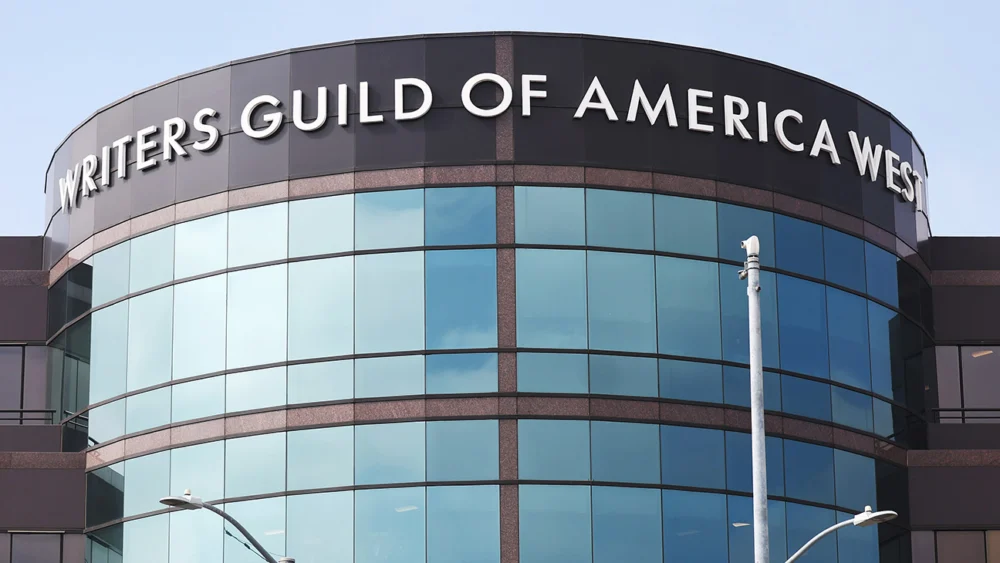
Members of the Writers Guild of America (WGA) have overwhelmingly approved a comprehensive slate of contract priorities, setting the stage for high-stakes labor negotiations with Hollywood studios and streamers. The approved bargaining demands, which include shoring up the union’s beleaguered health plan, expanding protections against artificial intelligence, and boosting member compensation, garnered approval from more than 97 percent of participating union members. These critical talks with the Alliance of Motion Picture and Television Producers (AMPTP) are scheduled to commence on March 16, marking the first direct engagement since the protracted 2023 strike that significantly disrupted the industry.
The Backdrop of Renewed Labor Unrest
The impending negotiations unfold against a complex and challenging landscape for the entertainment industry, still reeling from the dual strikes of 2023 involving both the WGA and SAG-AFTRA. The 148-day WGA strike, which concluded in September of that year, was primarily driven by issues of compensation in the streaming era and the then-nascent threat of generative AI. While the guild secured some gains in its last contract, the industry has since experienced a painful contraction, with significant impacts on employment across all levels.
According to the WGA’s annual financial report, writer employment in 2024 was down 9.4 percent compared to the strike year, and a stark 24.3 percent below 2022 levels. This economic downturn, coupled with persistent inflation, has exacerbated existing vulnerabilities within the guild’s benefit structures, particularly its health plan. The financial health of its members is now a paramount concern for the union as it approaches the bargaining table.
Addressing the Health Plan Crisis
A central pillar of the WGA’s "pattern of demands" is the critical need to revitalize its health plan. The union has openly stated that its health fund cumulatively lost an alarming $122 million in 2023 and 2024, a direct consequence of declining work opportunities in Hollywood and the broader impact of healthcare inflation. This substantial deficit threatens the stability of a vital benefit for thousands of writers and their families.
The WGA’s strategy focuses on compelling employers to significantly increase their contributions to the benefits plans. Additionally, the union seeks to raise the maximum amount that studios and streamers can pay into these plans, aiming to create a more robust and sustainable financial foundation. This demand reflects a recognition that the current funding mechanisms are insufficient to withstand industry fluctuations and rising medical costs, placing an undue burden on members during a period of reduced employment. The health of the fund is not merely a financial detail but a fundamental aspect of writer well-being and job security, making it a non-negotiable point for the guild.
Expanding AI Protections for Writers
Another critical area of focus in the upcoming Writers Guild Negotiations Priorities is the expansion of protections against artificial intelligence. While the WGA secured groundbreaking safeguards against AI in its 2023 contract, the rapid evolution of generative AI technology necessitates a proactive and adaptive approach. The guild acknowledged that its previous protections, though considered strong at the time, must be broadened and strengthened as the capabilities and applications of AI continue to advance at an exponential rate.
The WGA’s intent is to ensure that AI serves as a tool to assist human creativity, rather than a substitute for it. Key concerns include preventing AI from being used to generate literary material from scratch, to adapt existing works without human writer involvement, or to manipulate writers’ past work without consent or fair compensation. The union aims to establish clear boundaries regarding authorship, intellectual property rights, and the use of AI in outlining, drafting, or rewriting scripts. The goal is to preserve the human element at the core of storytelling and protect writers from being marginalized or disintermediated by automated systems, thereby safeguarding the integrity of the creative process and the livelihood of its members.
Boosting Compensation and Addressing Industry Practices
Beyond health and AI, the WGA remains steadfast in its commitment to boosting compensation for its members. The approved pattern of demands outlines several specific areas for increasing minimum compensation rates across the board. This includes raising minimums for "page one" rewrites, a crucial demand recognizing the significant creative effort involved in overhauling a script from its foundation. The union also seeks to raise residuals for the reuse of content in streaming, a contentious issue during the 2023 strike that remains a priority given the pervasive nature of streaming platforms.
Furthermore, the WGA is specifically focused on improving pay rates for writers working in post-production, as well as for comedy/variety, quiz, and audience writers, whose unique contributions often fall outside standard compensation structures. These targeted demands aim to address long-standing inequities and ensure fair pay for all members, regardless of their specific niche within the industry.
In addition to direct compensation, the WGA is determined to tackle several common, often exploitative, industry practices. The union has long campaigned against the prevalence of "free work" required of writers, where they are expected to develop ideas, pitch concepts, or perform uncredited rewrites without proper payment. This year’s negotiations will attempt to squash this issue once again, building on past efforts to ensure that all creative labor is adequately compensated.
The WGA also seeks to expand on a breakthrough from its 2023 negotiations, where it secured a "second step," or additional point of payment, for screenwriters. This achievement acknowledged the iterative nature of screenwriting and the need for incremental compensation. The union now aims to broaden the application and impact of this provision. Finally, the WGA wants to bolster guardrails around "if/come deals," where writers only get paid if a project moves forward; "screen roundtables," where writers contribute ideas without clear credit or compensation; and general employment practices on television series, seeking to create more stable and equitable working conditions for writers throughout their careers.
The Negotiation Teams and Broader Implications
The WGA’s negotiating efforts will be spearheaded by chief negotiator Ellen Stutzman, supported by negotiating committee co-chairs John August and Danielle Sanchez-Witzel. Their counterparts at the AMPTP will be led by Gregory Hessinger, who succeeded longtime head Carol Lombardini in 2025 as the alliance’s new president. This shift in leadership for the studios and streamers introduces a new dynamic to the bargaining process, although the fundamental economic pressures and industry concerns remain.
The WGA’s negotiations are also unfolding in parallel with those of SAG-AFTRA, the performers’ union, which began its own contract talks with the AMPTP on February 9 and recently extended them. This synchronized labor activity underscores a broader moment of reckoning within Hollywood, where creative talent is pushing back against business models that have, in their view, eroded compensation, job security, and creative control.
The stakes for these Writers Guild Negotiations Priorities are exceptionally high. For writers, the outcome will directly impact their financial stability, their ability to pursue creative careers, and their protection against technological disruption. For studios and streamers, the negotiations represent an opportunity to forge a sustainable path forward with their creative workforce, or risk further labor disruptions that could halt content production and alienate audiences. The ability of both sides to reach a fair and equitable agreement will not only shape the future of writing in Hollywood but could also set significant precedents for labor relations in other creative industries grappling with similar challenges of evolving technology and business models. The industry watches closely as March 16 approaches, anticipating a tough but crucial series of discussions that will define the next chapter for writers in the digital age.