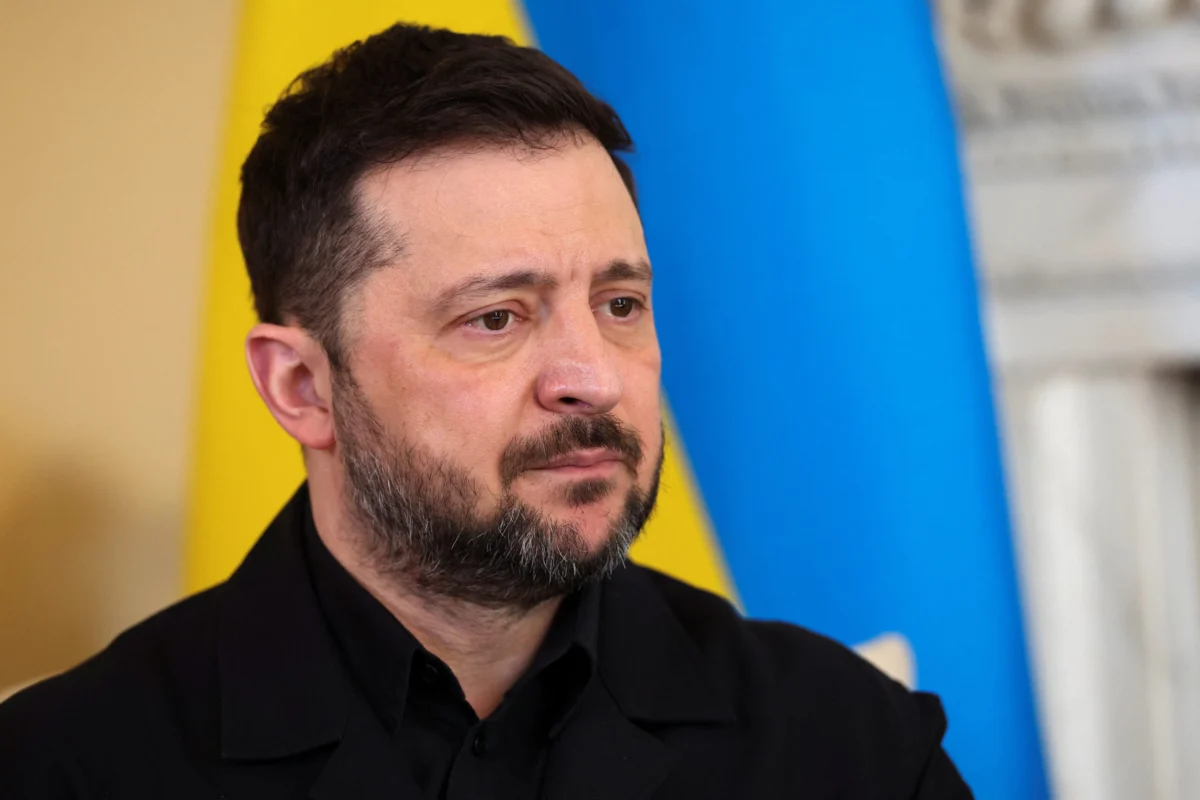
Ukrainian President Volodymyr Zelenskyy stated that Kyiv is seeking a defined timeframe for the resumption of peace negotiations with Russia, as diplomatic efforts to de-escalate the protracted conflict face renewed complexities. Ukrainian negotiators are preparing for crucial discussions in the United States, where they aim to secure concrete dates, even approximate ones, for the next series of high-stakes talks.
The ongoing diplomatic efforts have been impacted by the escalating geopolitical tensions surrounding the US-Israeli military campaign in Iran, which has understandably diverted international attention and resources. President Zelenskyy acknowledged this shift, noting that "everyone understands that the situation in the Middle East, the war, is affecting the postponement of this date."
Push for Resumption of Russia-Ukraine Peace Talks
The impending US-based discussions mark a critical juncture in the pursuit of a lasting resolution to the more than four-year-long Russia-Ukraine war. Ukrainian representatives are scheduled to meet with their US counterparts on Saturday, engaging in US-brokered initiatives designed to forge an agreement that would bring an end to the devastating hostilities. This engagement follows previous negotiation attempts that have stalled, highlighting the deep-seated challenges in bridging the divide between Kyiv and Moscow.
Previous rounds of negotiations, held in neutral venues such as Geneva and Abu Dhabi, have regrettably failed to achieve a significant breakthrough. The primary impediment has consistently been the issue of territorial integrity, with Russia demanding that Ukraine cede control over the remaining approximately 20 percent of the eastern Donetsk region, territory that Russian forces have thus far been unable to fully occupy.
Ukraine has steadfastly refused to capitulate to this demand. Instead, Kyiv is advocating for robust and verifiable security guarantees from its Western allies. Such assurances are deemed essential to prevent any future acts of Russian aggression should a peace agreement be successfully negotiated and implemented. President Zelenskyy reiterated this stance, emphasizing Ukraine’s need for dependable security frameworks.
Diplomatic Signals and International Support
In a social media update on Thursday, President Zelenskyy conveyed optimism regarding the renewed diplomatic push. He indicated that "We have received signals from the US side indicating readiness to continue working within the existing negotiation formats to bring an end to Russia’s war against Ukraine." He further stressed the urgency of recommencing dialogue, stating, "There has been a pause in the talks, and it is time to resume them. We are doing everything to ensure that the negotiations are genuinely substantive."
This sentiment appears to be reciprocated, at least in part, by Russian officials. A senior Kremlin representative indicated on Friday that a new round of US-mediated negotiations between Moscow and Kyiv is anticipated in the near future. The official described the current lull as "temporary," expressing hope for the continuation of what he termed the "trilateral format," presumably referring to the involvement of the United States as a mediator.
Impact of Middle East Conflict on Ukraine Support
Amidst the escalating conflict in Iran and the broader Middle East, Ukraine’s European allies have been actively working to reassure Kyiv that their commitment to supporting Ukraine remains unwavering. British Prime Minister Keir Starmer, following a meeting with President Zelenskyy in London this week, emphasized the need to maintain focus on the situation in Ukraine. He stated, "There is obviously a conflict in Iran going on, in the Middle East, but we can’t lose focus on what’s going on in Ukraine and the need for our support there."
However, the diversion of international attention to the Middle East has coincided with significant policy shifts that have raised concerns among European nations. Specifically, European countries have voiced apprehension over a decision by the administration of U.S. President Donald Trump to waive certain sanctions on Russian oil supplies. This move was reportedly undertaken as a measure to offset soaring global energy costs that have been exacerbated by the conflict in Iran.
Ukraine’s officials are slated to address this contentious issue during their talks in the United States on Saturday. President Zelenskyy confirmed that his representatives would discuss the "dangerous" decision to ease sanctions on the Russian energy sector, signaling their intent to lobby for a reversal or mitigation of its potential consequences.
Geopolitical Realignment and the Search for Peace
The current geopolitical landscape presents a complex web of interconnected crises, with the war in Ukraine and the conflict in the Middle East vying for international diplomatic bandwidth and strategic focus. For Ukraine, the renewed focus on the Middle East risks diluting the global pressure on Russia and potentially undermining the collective resolve to achieve a just and lasting peace.
The US-mediated talks represent a crucial opportunity for Ukraine to reassert its strategic priorities and to solidify international backing for its territorial integrity and sovereignty. The demand for clear timelines reflects a growing impatience with protracted diplomatic stagnation and a desire for tangible progress toward ending the ongoing bloodshed.
Economic Ramifications and Sanctions Policy
The decision to ease sanctions on Russian oil, ostensibly to stabilize global energy markets, carries significant implications for the economic leverage available to the international community in pressuring Russia. Ukraine and its European partners fear that such measures could inadvertently provide Russia with much-needed financial relief, potentially emboldening its continued aggression.
The discussions in Washington are expected to delve into the intricate interplay between energy security, international sanctions, and the broader objectives of achieving peace in Ukraine. Ukraine’s negotiators will likely argue that any relaxation of sanctions should be contingent on significant de-escalation and verifiable commitments from Russia to withdraw its forces and respect Ukraine’s sovereignty.
The Road Ahead: Challenges and Prospects
The path to a comprehensive peace agreement remains fraught with obstacles. The fundamental disagreement over territorial control, coupled with Ukraine’s insistence on robust security guarantees and Russia’s strategic objectives, creates a formidable challenge for mediators. The upcoming US talks, therefore, carry immense weight.
The Ukrainian leadership’s insistence on a defined timeline for future negotiations underscores a strategic imperative to maintain momentum and prevent the diplomatic process from becoming a casualty of competing global crises. The international community’s ability to simultaneously address multiple geopolitical flashpoints will be a critical test of its diplomatic efficacy and its commitment to upholding international law and national sovereignty.
The resilience of Ukraine’s defense forces and the steadfastness of its diplomatic corps are vital components in this ongoing struggle. The coming days and weeks will likely reveal whether the renewed diplomatic engagement can translate into substantive progress or if the conflict will continue to be protracted, with its devastating human and economic costs. The world watches to see if the urgent need for peace in Ukraine can be effectively prioritized amidst a rapidly evolving global security environment. The successful resumption of meaningful talks, driven by clear timelines and mutual commitment, remains the paramount objective.