United Nations human rights experts have voiced grave concerns regarding the excessive use of force by French authorities in responding to widespread student protests, warning that such tactics are actively discouraging demonstrators from exercising their fundamental rights to expression and peaceful assembly. The experts, appointed by the UN Human Rights Council, issued a statement on Wednesday detailing their alarm at the scale of arrests and detentions, which have impacted thousands, including a significant number of minors.
The UN experts, including Gina Romero, the Special Rapporteur on the freedom of peaceful assembly, and Farida Shaheed, the UN expert on cultural rights, highlighted that while the French government has initiated some dialogues and addressed certain student demands, the overarching emphasis on a security-driven response has overshadowed the underlying issues fueling the protests. This approach, they argue, risks marginalizing the root causes of the widespread discontent among the student population.
France has been grappling with persistent student demonstrations since mid-September. Initially ignited by grievances over deteriorating conditions in high schools, including dilapidated buildings, overcrowded classrooms, and a shortage of teachers, the protests have since broadened. Students have increasingly joined nationwide demonstrations to voice anger over the escalating cost of living, a concern that has also contributed to instances of civil unrest, including riots and looting in some urban areas.
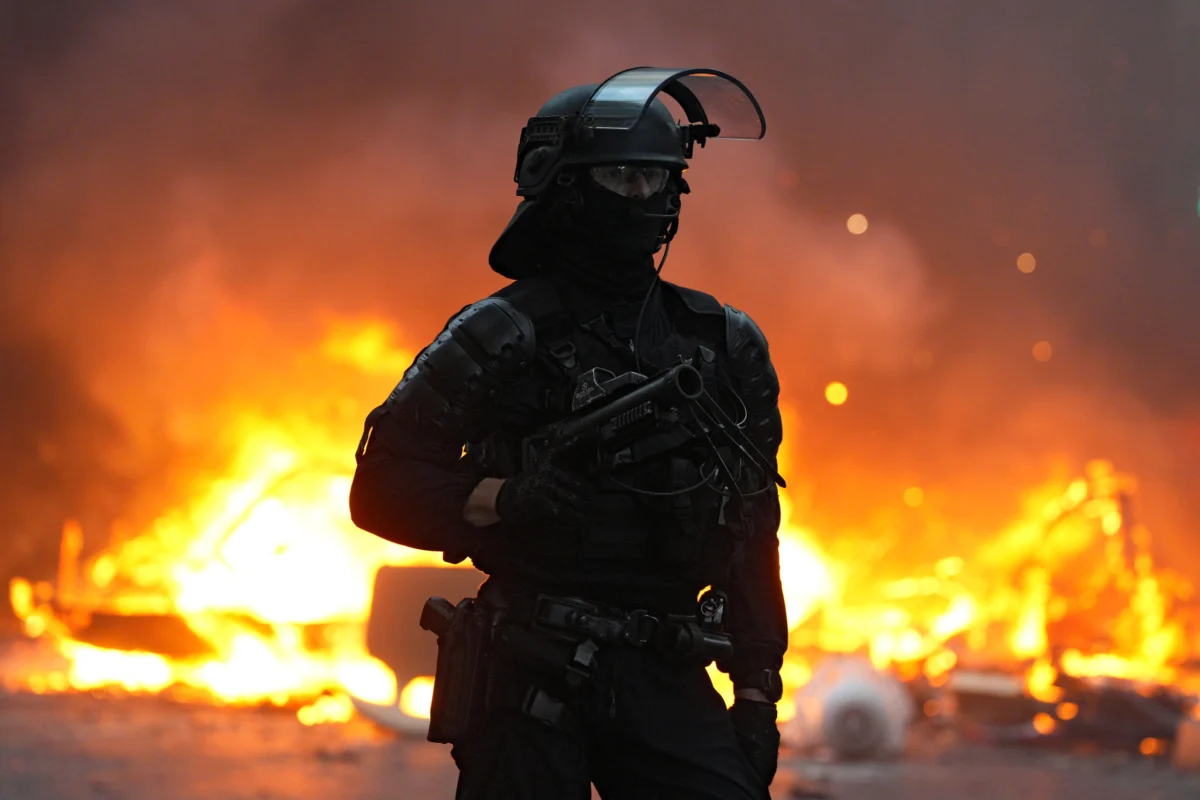
The scale of the government’s response has been substantial. On a recent Saturday, French authorities deployed an estimated 70,000 security personnel across the nation. This deployment accompanied demonstrations that drew approximately 410,000 participants nationwide. During these events, over 1,000 individuals were arrested, according to figures released by the French Interior Ministry. This intensified policing strategy follows an earlier wave of demonstrations a week prior, during which public buildings were vandalized, hundreds of businesses were looted, and 2,700 people were taken into custody. At that time, Interior Minister Laurent Nunez had pledged to maintain an "extremely vigilant, extremely firm" stance to suppress future unrest.
The student movement has articulated a broader sense of disillusionment with the current administration. Alice Cohen-Morzadec, a spokesperson for the Union Etudiante, conveyed to Al Jazeera that the protests reflect a "general outburst of resentment against [French President Emmanuel] Macron and his policies that have destroyed our rights, destroyed our living conditions." This sentiment suggests that the student grievances are intertwined with wider public dissatisfaction concerning economic policies and their perceived impact on citizens’ quality of life.
Analysts point to a confluence of factors contributing to the French government’s challenges in adequately addressing the students’ demands. A significant fiscal crisis and anticipated budget cuts have reportedly led to a reduction in the national education budget. This financial strain may be limiting the government’s capacity to implement substantial improvements to educational infrastructure and resources, further exacerbating student frustrations.
Escalating Police Response to Protests
The methodology employed by French authorities in managing the protests has drawn significant criticism. In one particularly concerning incident in the northern city of Lille, a teenager sustained severe injuries, losing a hand when a grenade reportedly exploded during clashes between school protesters and police. Such incidents have amplified concerns about the appropriateness and proportionality of the force used by law enforcement.
The UN rapporteurs explicitly condemned these events, stating that "The serious and, in some cases, irreversible injuries sustained by underage demonstrators during law enforcement operations are unacceptable and unjustifiable." This strong condemnation underscores the international human rights body’s view that the safety and well-being of young protesters must be paramount, and that actions leading to severe harm are a violation of fundamental rights.
The experts also referenced prior international recommendations to France, urging the government to conduct a thorough review of its policing strategies and practices. The objective of such a review, as outlined by the UN, would be to ensure that demonstrators are able to voice their concerns effectively and to facilitate the peaceful resolution of social conflicts. This suggests a call for a more de-escalatory and rights-respecting approach to public demonstrations.
The UN experts confirmed that they are actively engaged in discussions with French authorities regarding these issues. This ongoing dialogue indicates a commitment from the international body to monitor the situation and to advocate for adherence to international human rights standards in the management of public protests within France.
Root Causes of Student Mobilization
The current wave of student protests in France is multifaceted, stemming from both immediate educational concerns and broader socioeconomic anxieties. The initial triggers involved widespread dissatisfaction with the conditions within French high schools. Students have voiced persistent complaints regarding the poor state of school buildings, a pervasive issue that directly impacts the learning environment.

Furthermore, issues such as overcrowded classrooms have been cited as contributing to a less-than-ideal educational experience. The presence of significant teacher absences, whether due to shortages or other factors, has also been a point of contention, leading to disruptions in learning and a perceived decline in the quality of education. These educational shortcomings have created a fertile ground for student activism.
However, the student movement has rapidly evolved beyond purely academic grievances. As the cost of living has continued to rise, students have found common cause with other segments of the population experiencing similar economic pressures. This convergence of concerns has broadened the scope of the protests, transforming them into a significant national movement reflecting widespread public discontent.
The demonstrations have become a platform for expressing anger over the perceived failure of government policies to adequately address economic challenges faced by ordinary citizens. This expansion of the protest agenda highlights the interconnectedness of social and economic issues and their potent ability to mobilize large numbers of people. The student protests have, therefore, become a significant indicator of broader societal unease in France.
Broader Implications of the French Protests
The intensity of the recent student protests and the robust police response have far-reaching implications for France’s social and political landscape. The UN experts’ strong condemnation signals an international spotlight on the country’s approach to civil liberties and the management of dissent. This external scrutiny could influence future government strategies and potentially lead to policy adjustments aimed at aligning with international human rights norms.
The protests also underscore a growing disconnect between the French populace, particularly the younger generation, and the government’s policy agenda. The sentiment that policies have "destroyed our rights" and "destroyed our living conditions" is a potent indictment of the current administration’s perceived efficacy and public trust. This narrative could pose a significant challenge for President Macron as he navigates the remainder of his term.
The financial constraints facing the education sector, as indicated by analysts, suggest a systemic challenge that requires more than just a security-focused response. Addressing the root causes of student dissatisfaction will necessitate substantial investment and a strategic re-evaluation of budgetary priorities. Failure to do so could perpetuate a cycle of unrest and further alienate segments of the population.
The widespread nature of the protests, encompassing various age groups and socioeconomic backgrounds, suggests a deeper societal malaise. The convergence of concerns over education, cost of living, and broader economic policies indicates a public demand for more responsive and equitable governance. The government’s ability to effectively manage these diverse grievances will be crucial in restoring public confidence and fostering social stability.
International Scrutiny and French Policy
The intervention by UN human rights experts marks a significant moment in the ongoing student protests in France. Their strong stance against the "excessive use of force" and the disproportionate scale of arrests, especially concerning minors, places France under international scrutiny. This level of international attention can exert considerable pressure on governments to re-evaluate their domestic policies and ensure adherence to global human rights standards.
The UN experts’ reference to "past discussions urging French authorities to undertake a comprehensive review of their policing strategies" suggests that these concerns are not new. This indicates a recurring pattern of issues related to law enforcement’s handling of demonstrations, prompting international bodies to repeatedly call for reform. Such a review would likely encompass training protocols, rules of engagement, and the legal framework governing police actions during protests.
The direct communication between the UN experts and French authorities signifies an active diplomatic effort to address the situation. This dialogue is critical for fostering understanding and potentially influencing policy changes. The outcome of these discussions will be closely watched, both domestically and internationally, for signs of progress in ensuring that freedom of expression and peaceful assembly are protected in France.
The French government’s response to these UN concerns will be a key indicator of its commitment to human rights. While the authorities have initiated some dialogue, the persistent focus on security measures, as noted by the experts, suggests a need for a more balanced approach that prioritizes de-escalation and addresses the underlying grievances driving the protests. The long-term stability and social harmony of France may well depend on its ability to navigate these complex challenges effectively and transparently.