Adam Levine secured a pivotal victory on Monday night’s episode of The Voice, successfully recruiting country artist Hunter Jordan to his team during a fiercely contested "Triple Turn" audition, a moment that marked a significant personal triumph for the Maroon 5 frontman in a genre that has historically presented a challenge on the show.
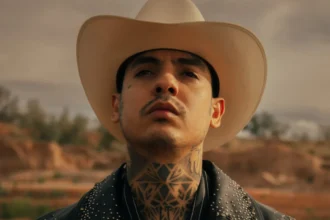
The competitive stakes were palpable from the moment Jordan launched into his rendition of Billy Currington’s "Let Me Down Easy." The performance resonated so powerfully that it immediately prompted all three active coaches – Levine, Kelly Clarkson, and John Legend – to hit their buttons, initiating a coveted "Triple Turn" and setting the stage for one of the evening’s most engaging coach battles. For Levine, this particular audition held a deeper significance beyond the usual pursuit of talent. He has long been candid about his perceived "country curse" on The Voice, a running joke among fans and coaches alike regarding his infrequent success in securing country artists for his team.
Levine, acutely aware of this history, strategically positioned himself as the unconventional choice for Jordan. He implored the young singer to "break the mold" and resist the predictable path often taken by country artists. Levine argued that Jordan’s performance demonstrated a smooth, controlled vocal power and an effortless delivery that signaled a broader crossover appeal, suggesting that his unique artistry could transcend traditional genre boundaries. This approach aimed to persuade Jordan that joining Team Adam would offer a platform for exploring a more diverse musical direction, rather than being confined to a specific country sound.
The competition quickly intensified as fellow coaches presented their own compelling cases. Kelly Clarkson, drawing on her own well-established success in both country and pop music, highlighted her versatility and proven ability to guide artists across multiple genres. Her appeal to Jordan focused on her understanding of the country music landscape and her capacity to nurture a developing artist with broad market potential.
John Legend, ever the astute observer of musical connections, emphasized the fluid and often interconnected nature of genres like soul, R&B, and country. He pointed to his own history of successful collaborations within the country music sphere, showcasing his ability to connect with artists who blend different stylistic elements. Legend’s pitch underscored the idea that his coaching expertise could help Jordan navigate the nuances of country music while still embracing his individual artistic identity.
Despite the strong arguments from Clarkson and Legend, Hunter Jordan ultimately made the decision to "blaze a path" with Adam Levine. This choice represented a significant win for Levine, not only adding a highly sought-after Triple Turn artist to his roster but also symbolically breaking through a long-standing barrier in his coaching career. The acquisition of Jordan was a strategic coup, bolstering Team Adam with an artist whose talent clearly possessed the potential to captivate a wide audience.
The episode highlighted the ongoing strategic maneuvering within the "Triple Turn" competition, a new twist introduced in Season 29. This format rewards the coach who accumulates the most three-chair artists with a crucial "Super Steal" advantage during the upcoming Battle Rounds. This incentive has amplified the intensity of the auditions, as coaches vie not only for individual talent but also for a significant strategic edge in later stages of the competition.
Earlier in the night, JW Griffin had also earned a Triple Turn for his rendition of "Long Haired Country Boy." This performance immediately placed him in high demand, ultimately leading him to join Kelly Clarkson’s team. Griffin’s choice underscored Clarkson’s enduring appeal and her strong track record with country-leaning artists, further emphasizing the competitive landscape.
Another artist to achieve a Triple Turn was Mike Steele, whose rendition of Giveon’s "For Tonight" showcased his vocal prowess. Steele faced a similar dilemma to Jordan, with coaches debating the merits of artistic predictability versus a more experimental approach. After considerable deliberation, Steele ultimately opted to join John Legend’s team, a decision that appeared to weigh artistic identity against the perceived safety of a more established genre path.
The episode was peppered with other memorable performances that demonstrated the diverse talent pool and the coaches’ varying strategies. Tia Durant’s soulful interpretation of "Midnight Train to Georgia" secured her a spot on Team Kelly, highlighting Clarkson’s ability to connect with vocalists who deliver emotionally resonant performances. Meanwhile, Jaali Boyd’s rendition of "No Air" sparked a two-chair battle between Clarkson and Levine. Boyd eventually chose to join Team Adam, adding another artist to Levine’s growing roster and demonstrating his appeal to artists who appreciate a more contemporary vocal style.

John Legend added country singer Kendra Remedios to his team, marking her as his sole chair turn of the night. This acquisition demonstrated Legend’s discerning eye for talent, even when it involves a single, decisive turn. Adi Arora’s falsetto-heavy performance of Bruno Mars’ "It Will Rain" further strengthened Team Legend, showcasing the coach’s capacity to work with artists who possess distinctive vocal techniques. Levine rounded out his team additions by securing Bijou Belle and Moses G., both of whom earned single-chair turns, demonstrating his ability to identify and recruit talent even when it doesn’t immediately garner multiple chair turns.
As the episode concluded, Kelly Clarkson maintained a strong position in the Triple Turn standings, consistently attracting promising artists. However, Adam Levine’s acquisition of Hunter Jordan represented a significant strategic and personal breakthrough. This victory not only added a high-caliber artist to his team but also signaled a potential shift in his long-standing challenge of connecting with country music talent on The Voice. The competition’s unique format and the coaches’ evolving strategies continue to shape the narrative, with each audition adding another layer to the unfolding season. The "Triple Turn" twist has undeniably injected a new level of excitement and strategic depth, forcing coaches to make decisive choices and artists to deliver performances that command immediate attention. The impact of Jordan’s decision extends beyond his own journey, offering a compelling narrative arc for Levine and a glimpse into the diverse musical directions that The Voice platform can facilitate.
Hunter Jordan’s Audition and the Triple Turn Dynamics
Hunter Jordan’s performance of Billy Currington’s "Let Me Down Easy" served as the central catalyst for the night’s most talked-about moment: the Triple Turn. This particular audition showcased not only Jordan’s vocal talent but also his potential to resonate with a broad audience, prompting all three coaches to aggressively pursue him. The ensuing battle highlighted the distinct coaching philosophies and the unique appeals each coach brings to the competition.
Adam Levine’s Country Curveball
Adam Levine’s long-standing struggle to attract country artists on The Voice has been a recurring storyline throughout his tenure as a coach. His jokes about this perceived weakness have become a staple of the show’s banter, making his success with Hunter Jordan all the more impactful. Levine’s strategy in this instance was to frame himself as an unconventional mentor who could help Jordan explore the outer edges of country music, rather than adhering to its traditional confines. He emphasized the potential for crossover appeal, a common goal for many aspiring artists seeking wider recognition.
Kelly Clarkson and John Legend’s Strategic Pitches
Kelly Clarkson, a seasoned coach with a strong background in country music, leveraged her own genre credentials and proven track record of nurturing diverse talent. Her pitch focused on her ability to understand the nuances of country music while also guiding artists toward broader commercial success. John Legend, known for his soulful R&B background, countered by highlighting the natural intersections between soul, R&B, and country music. He pointed to his successful collaborations and his ability to bridge different musical worlds, presenting himself as a mentor who could help Jordan develop a unique hybrid sound.
The Season 29 Triple Turn Twist
The introduction of the "Triple Turn" competition in Season 29 has significantly altered the strategic landscape of The Voice. This new format adds an extra layer of competition, incentivizing coaches to secure artists who can unanimously impress the panel. The "Super Steal" advantage awarded to the coach with the most Triple Turn artists provides a tangible benefit for the later stages of the competition, making every Triple Turn audition a high-stakes event.
Impact on Coach Strategies
The Triple Turn twist has forced coaches to be more strategic in their button presses and their recruitment tactics. They must not only identify talent but also consider how that talent might appeal to multiple coaches, thereby intensifying the competition for each artist. This has led to more aggressive bidding wars and more nuanced pitches designed to sway artists away from perceived obvious choices.
Other Notable Performances and Team Rosters
Beyond the headline-grabbing Triple Turn, the episode featured a variety of other compelling auditions that shaped the coaches’ teams. JW Griffin’s early Triple Turn set a high bar for the night, while Mike Steele’s decision to join Team Legend underscored Legend’s appeal to artists seeking a sophisticated musical direction. Tia Durant’s powerful rendition of "Midnight Train to Georgia" further solidified Team Kelly’s strength in soulful vocalists. Jaali Boyd’s choice to join Team Adam demonstrated Levine’s ability to attract artists who appreciate contemporary vocal styles, even in a competitive two-chair battle.
Building Balanced Teams
As the Blind Auditions progress, coaches are focused on building balanced teams with diverse vocalists and genre strengths. John Legend’s addition of country singer Kendra Remedios and Adi Arora’s unique falsetto showcased his commitment to a wide range of talent. Adam Levine’s efforts to round out his team with Bijou Belle and Moses G. illustrated his continued pursuit of artists who can bring distinct qualities to his roster.
The acquisition of Hunter Jordan by Adam Levine represents a significant moment in The Voice Season 29, not only for the coach breaking a personal "country curse" but also for the artist seeking to forge his own path with a mentor who promises a broader artistic exploration. The ongoing Triple Turn competition continues to fuel intense rivalries and strategic maneuvering among the coaches as they assemble their teams for the upcoming Battle Rounds.