The conflict involving the United States, Israel, and Iran has escalated into a new, more volatile phase as massive explosions rocked the Iranian capital of Tehran early Saturday morning, signaling the start of the second week of open hostilities. The aerial bombardment of the city followed a series of hardline declarations from Washington and Jerusalem, effectively ending a brief window where diplomatic mediation seemed possible. As the Middle East crisis intensifies, the regional landscape is shifting rapidly, with the theater of war expanding to include Lebanon, Yemen, and the Persian Gulf.

In the early hours of Saturday, Iranian state media and local witnesses reported multiple blasts centered near Mehrabad International Airport and several military installations. The Israeli Defense Forces (IDF) confirmed that approximately 50 warplanes participated in a targeted strike against a hardened bunker located beneath a compound formerly used by the late Supreme Leader Ayatollah Ali Khamenei. Military analysts suggest the strike was intended to decapitate the remaining command-and-control structures of the Islamic Revolutionary Guard Corps (IRGC), which have been under constant pressure since the war began on February 28.
Targeted Strikes on Tehran and the Expansion of the Air Campaign
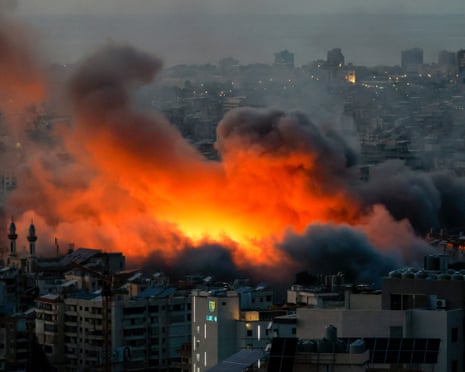
The explosions in Tehran have caused significant damage to residential areas surrounding the city’s strategic hubs. Images surfacing from the capital show blown-out windows, charred vehicles, and plumes of thick black smoke rising against the dawn sky. While the Iranian government has attempted to downplay the effectiveness of the strikes, the semi-official Tasnim news agency admitted that Mehrabad airport sustained direct hits, disrupting the few remaining civilian and military flight corridors left in the country.
This latest surge in the Iran war coincides with claims from the Israeli military that it has successfully disabled more than 60% of Iran’s long-range missile launchers and nearly 80% of its air-defense infrastructure. Despite these losses, Iran has continued to launch retaliatory drones and ballistic missiles, targeting both Israeli territory and Gulf nations perceived as hosting or supporting U.S. and Israeli military assets. The IDF reported that its "Arrow" and "Iron Dome" systems were active throughout Friday night to intercept threats over Jerusalem and other major urban centers.
U.S. Defense Secretary Pete Hegseth stated on Saturday that American firepower in the region is "about to surge dramatically." Hegseth emphasized that the U.S. military is transitioning from a defensive posture to an active offensive support role, aimed at ensuring the total degradation of Iran’s offensive capabilities. The Pentagon confirmed that U.S. forces have already struck over 3,000 targets within the first seven days of the conflict, ranging from radar stations to naval assets in the Persian Gulf.
Trump Demands Unconditional Surrender as Diplomatic Paths Narrow
The political dimension of the Middle East crisis took a definitive turn when President Donald Trump utilized social media to declare that he would accept nothing less than the "unconditional surrender" of the Iranian regime. This statement followed reports that several neutral nations had attempted to initiate a back-channel mediation process. The President’s rhetoric has effectively closed the door on a negotiated ceasefire, with the White House insisting that the new Iranian leadership must be selected with international—and specifically American—oversight.
In response, Iran’s Ambassador to the United Nations, Amir Saeid Iravani, rejected the American demands as a violation of national sovereignty. Speaking from New York, Iravani stated that any future leadership in Tehran would be chosen "without any foreign interference." This diplomatic deadlock has triggered a sell-off in global markets, as investors realize the conflict is unlikely to see a swift resolution. European and U.S. stock indexes fell sharply on Friday, reflecting fears of a protracted war that could reshape the geopolitical map of the 21st century.
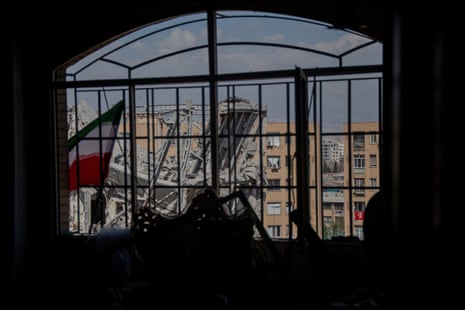
The controversy over Iran’s leadership comes at a time of internal chaos for the Islamic Republic. With the destruction of major government buildings and the death of high-ranking officials, the power vacuum in Tehran is being contested by various factions within the military and the remaining clerical establishment. The U.S. administration’s insistence on having a "say" in the selection of the next Supreme Leader has further galvanized hardline elements within the IRGC, who view the war as an existential struggle against Western imperialism.
Regional Instability: Saudi Arabia and Bahrain Under Fire
The Middle East crisis has not been confined to the borders of the primary combatants. On Saturday, Saudi Arabian Defense Minister Prince Khalid bin Salman issued a stern warning to Tehran to avoid "miscalculation" after the Kingdom’s air defenses intercepted a series of missiles and drones. The Saudi Ministry of Defense reported that it blocked a ballistic missile launched toward the Prince Sultan Air Base, a facility that houses U.S. military personnel. Additionally, six drones were intercepted over the "Empty Quarter" desert, reportedly targeting the Shaybah oil field.
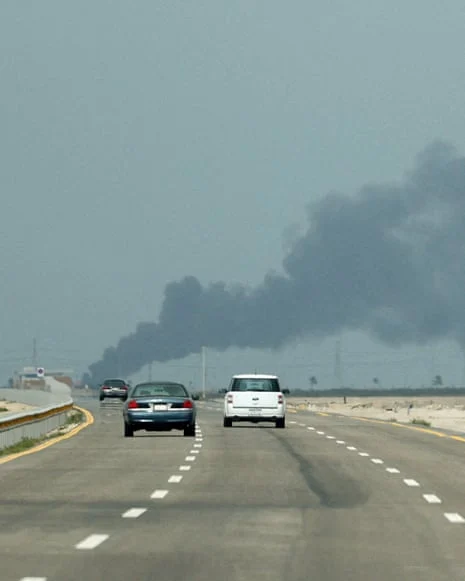
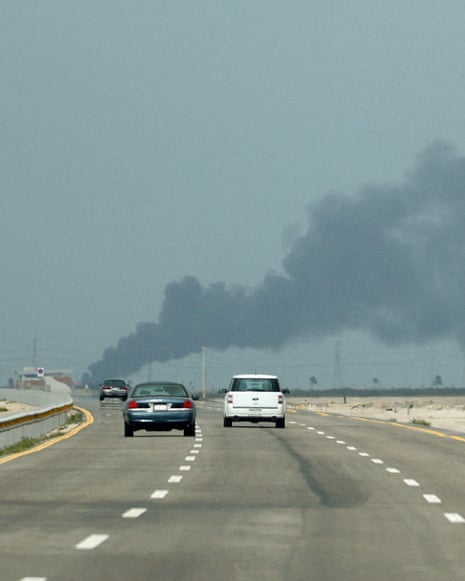
The Ras Tanura refinery, one of the world’s largest oil stabilization plants, has also been the target of at least two drone attacks this week. While Saudi officials claim the incidents were contained, smoke was seen billowing from the facility, raising concerns about the security of global energy infrastructure. In Bahrain, warning sirens echoed through the capital of Manama on Friday after an Iranian drone was intercepted over the Bahrain Financial Harbour towers, which house the Israeli embassy.
The United Arab Emirates, Kuwait, and Qatar have also reported "minor incidents" involving intercepted debris from the ongoing exchange of fire. The pervasive nature of these attacks has forced Gulf governments to urge their citizens to remain calm and identify the nearest safe shelters. The regional spillover has turned the Persian Gulf into a high-risk zone for maritime and aerial traffic, effectively isolating some of the world’s most prosperous city-states from global commerce.
The Ground War in Lebanon and the Syrian Border Conflict
As the Iran war enters its second week, the northern front has ignited with fresh intensity. Israeli special forces reportedly attempted a high-stakes landing operation along the Lebanon-Syria border, leading to fierce clashes with Hezbollah fighters. The state-run National News Agency of Lebanon reported that Israeli helicopters landed troops near the town of Nabi Sheet in the Baalbek district. Hezbollah claimed its fighters engaged the advancing soldiers at a local cemetery using light and medium weaponry.
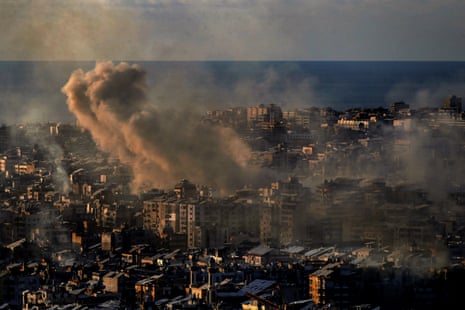
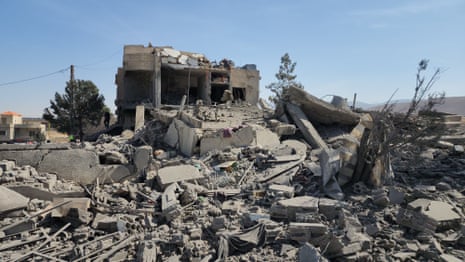
This incursion represents the deepest Israeli ground raid into Lebanese territory in over a year. The Lebanese Health Ministry reported that Israeli airstrikes in the area killed at least three people and wounded 16 others. The IDF has not officially commented on the specifics of the landing operation but noted that its air force continues to pound the Dahieh suburb of southern Beirut, a known Hezbollah stronghold. The Israeli government has issued unprecedented evacuation orders for large swaths of the Lebanese capital, leading to a mass exodus of civilians.
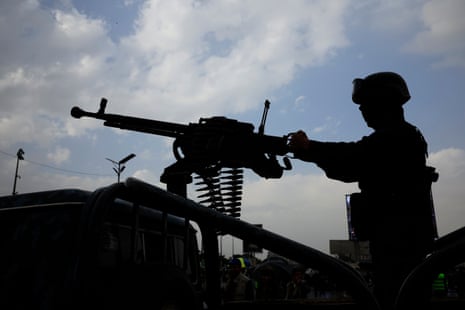
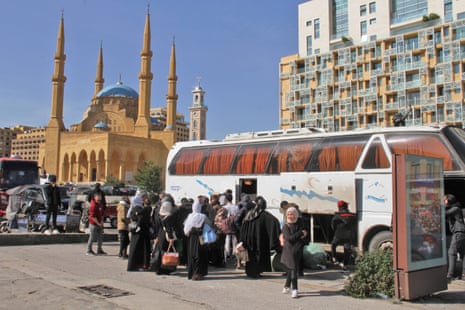
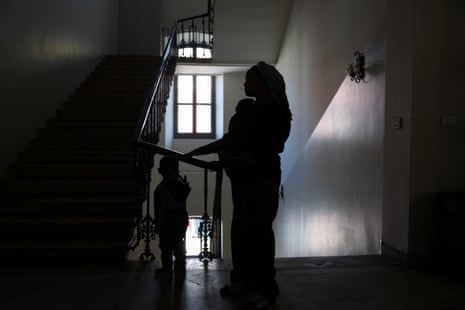
The humanitarian situation in Lebanon is deteriorating rapidly. The Norwegian Refugee Council estimates that 300,000 people have been displaced in the last four days alone. Refugees from Lebanon, as well as displaced Syrian and Palestinian workers, are seeking shelter in churches and community centers across Beirut. Volunteers have established makeshift kitchens to provide meals, but supplies are dwindling as the Israeli naval blockade restricts the flow of goods into Lebanese ports.
Economic Shockwaves: Oil Markets and the Strait of Hormuz
The most immediate global impact of the Middle East crisis has been felt at the gas pump and on trading floors. Crude oil prices surged to multi-year highs on Friday, with Brent North Sea crude hitting $92.69 per barrel, an 8.5% increase in a single day. Over the course of the first week of the war, oil prices have risen nearly 30%. West Texas Intermediate (WTI) followed a similar trajectory, soaring more than 12% to top $90 per barrel, marking the largest weekly gain on record.
The primary driver of this volatility is the effective closure of the Strait of Hormuz. As a critical artery for the global energy trade, the strait typically handles one-fifth of the world’s crude oil and liquefied natural gas (LNG) supplies. Maritime traffic through the waterway has nearly dried up as shipping companies refuse to risk their vessels in a combat zone. Dozens of oil tankers remain stranded, unable to exit the Persian Gulf or enter from the Arabian Sea, creating a massive bottleneck in the global supply chain.
Financial analysts warn that if the Strait of Hormuz remains blocked for an extended period, oil prices could easily exceed $120 per barrel, potentially triggering a global recession. The uncertainty is compounded by reports that Russia has been sharing satellite intelligence with Iran regarding U.S. and Israeli movements. While Secretary Hegseth dismissed these reports, stating the U.S. is "tracking everything," the potential for a broader proxy conflict involving other world powers remains a significant concern for international markets.
Humanitarian Toll and the Plight of Displaced Populations
The human cost of the Iran war is staggering. According to Iranian UN Ambassador Iravani, at least 1,332 people have been killed in Iran since the initial strikes on February 28. These figures, cited from the Iranian Red Crescent Society, include a significant number of civilians caught in the crossfire of the aerial campaign. In Lebanon, the death toll has reached 123, with hundreds more wounded in the escalating strikes on Beirut and the Bekaa Valley.
On the Israeli side, Iranian missile and drone attacks have claimed the lives of 11 people since the conflict began. The U.S. military has also confirmed the deaths of at least six service members in various rocket attacks on bases throughout the region. Beyond the fatalities, the psychological trauma of the war is pervasive. In cities like Jerusalem, Dubai, and Tehran, the sound of air raid sirens has become a daily reality, forcing millions of people to live in a state of constant fear.
A particularly sensitive issue involves the fate of Americans currently detained in Iran. Advocacy groups like the James W. Foley Legacy Foundation have warned that these individuals face "unprecedented danger." There are concerns that they could become "unintended casualties" of the bombardment or targets of state-sponsored retaliation. Siamak Namazi, a former detainee, described the current situation for those still in Iranian custody as "terrifying," noting that the fog of war often leaves prisoners with no protection and no clear path to safety.
Geopolitical Intelligence and the Surge of American Firepower
As the war enters its second week, the United States is deepening its military commitment to Israel. The State Department recently approved an emergency sale of $151.8 million worth of munitions to the Israeli government. This package includes 12,000 bomb bodies weighing 1,000 pounds each. The Bureau of Political-Military Affairs stated that the sale is essential for Israel to "meet current and future threats" and to serve as a deterrent against regional actors seeking to exploit the chaos.

The involvement of external powers continues to complicate the battle plans. Reports of Russian intelligence-sharing with Tehran suggest that the war is not merely a regional skirmish but a theater for larger geopolitical rivalries. The U.S. military has responded by increasing its surveillance and electronic warfare capabilities to jam Iranian communications and intercept sophisticated drone swarms.
The strategy in Washington appears focused on a rapid, high-intensity campaign designed to force a collapse of the Iranian regime’s military will. However, with the Iranian leadership vowing to fight to the end and the regional population increasingly displaced and radicalized, the "unconditional surrender" demanded by the White House may remain elusive. As the second week of the war begins, the Middle East remains on a knife-edge, with every explosion in Tehran echoing across a world braced for the consequences of a total war.