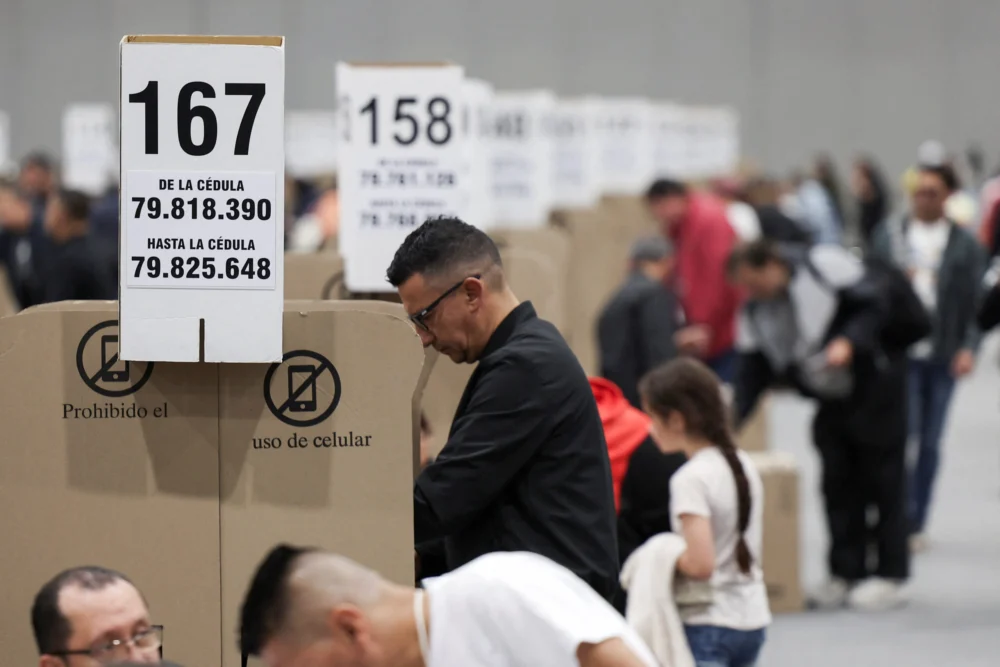
Colombians are heading to the polls on Sunday to elect a new Congress and select presidential candidates, a critical juncture for the nation amid heightened security concerns and ongoing diplomatic friction with the United States. More than 3,000 candidates are vying for 102 Senate seats and 182 House seats, representing a broad spectrum of political ideologies. The outcome of these legislative elections will significantly shape the political landscape as the country prepares for its presidential race later this year.
The electoral process unfolds against a backdrop of elevated alert for political violence, particularly in rural areas where armed groups maintain a significant presence. This internal security challenge is compounded by external pressures, including continued engagement with the administration of United States President Donald Trump, whose administration has maintained a firm stance on issues ranging from drug trafficking to immigration. Approximately 41.2 million eligible voters are casting their ballots, a democratic exercise that will determine the country’s legislative direction and signal potential presidential contenders.
Alongside the congressional elections, voters are also participating in primary elections to designate the nominees for the nation’s three main political blocs: the left, the center-left, and the right. The winners of these primaries will advance to compete in the first round of the presidential election, scheduled for May 31. Prominent political figures, including leftist Ivan Cepeda, right-winger Abelarda de la Espriella, and centrist Sergio Fajardo, are not directly participating in these primary votes, indicating a strategic approach to their presidential campaigns.
Voter turnout is seen as a crucial indicator of public engagement and the perceived importance of the electoral process. Federico Rodriguez, a 32-year-old business administrator who voted in the capital, Bogota, emphasized the significance of the day. "The most important thing is for Colombia to decide its future and for the results to be respected," Rodriguez told Reuters, underscoring the desire for a stable and legitimate democratic transition.
Security measures have been intensified to ensure the integrity of the vote and prevent potential disruptions. Defense Minister Pedro Sanchez reported that authorities detected a group of approximately 2,400 individuals attempting to enter the country illegally via a border crossing with Venezuela, purportedly to vote. Sanchez described the incident as a "clear case of a crime being committed" and highlighted the planned border closures during the election period.
President Gustavo Petro echoed these concerns, labeling the detected influx as "large-scale fraud" and an "avalanche of illegal voting." He urged local authorities in Cucuta to take immediate action, noting the detention of sixty buses and calling for an investigation into the company responsible for transporting the alleged voters. Such incidents underscore the persistent challenges of electoral integrity in regions susceptible to cross-border influence and organized political maneuvering.
In response to potential threats, more than 126,000 law enforcement officers are deployed nationwide to safeguard polling stations and maintain order. This significant deployment reflects the government’s commitment to protecting the democratic process from any form of coercion or manipulation. The focus on security is paramount, given the country’s history of political violence and the presence of various armed actors in certain regions.

President Petro, whose term as Colombia’s first left-leaning president concludes in August, has previously voiced skepticism regarding the election software used, citing concerns raised during the 2022 legislative elections. In that instance, his party, the Historic Pact, saw a substantial increase in votes following a recount, leading to questions about the initial tabulation process. This historical context informs current discussions about electoral transparency and the reliability of the voting systems.
The current legislative body has, under Petro’s administration, demonstrated a tendency to diverge from the president’s policy initiatives, a notable shift from previous legislative periods where greater alignment was often observed. This dynamic suggests that the incoming Congress could present a significant challenge to the next president, regardless of their political affiliation, as it navigates a more fragmented political landscape. The election results will therefore set the stage for a potentially complex relationship between the executive and legislative branches.
Petro’s Complex Relationship with the Trump Administration
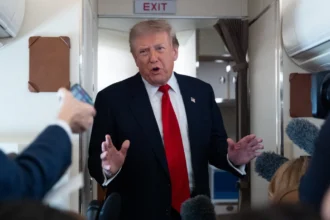
The dynamics of the Colombian election are further complicated by the historically fraught relationship between President Gustavo Petro and former U.S. President Donald Trump. Despite a period of intense verbal exchanges and diplomatic tensions, Trump extended an invitation to Petro for a meeting at the White House last month. Both leaders characterized the encounter as productive, though underlying disagreements and lingering mistrust were acknowledged.
Earlier exchanges between the two leaders were marked by sharp rhetoric, with Trump labeling Petro a "sick man" and an "illegal drug leader," while also holding Colombia responsible for the flow of illicit substances into the United States. The initial spark for their public feud was ignited by a dispute over U.S. deportation flights, a key component of Trump’s immigration enforcement strategy. Petro had expressed concerns regarding alleged human rights violations faced by deportees, prompting Trump to retaliate with threats of steep sanctions on Colombian imports.
This diplomatic standoff over deportation flights was a precursor to further exchanges. Petro openly condemned U.S. military actions, including deadly strikes on boats in the Caribbean Sea and Pacific Ocean, drawing parallels to acts of murder. He also criticized Trump’s administration for a U.S. military operation in Venezuela aimed at abducting then-President Nicolas Maduro, describing the action as tantamount to "kidnapping."
Navigating U.S. Foreign Policy Under Trump
The upcoming presidential term in Colombia will be shaped by the prevailing U.S. foreign policy agenda, particularly under a potential second Trump administration. Petro is constitutionally barred from seeking re-election, meaning a new Colombian leader will inherit the ongoing diplomatic challenges. Trump has consistently focused on South and Central America, articulating a vision that includes exerting economic pressure on nations like Cuba and continuing aggressive stances against perceived adversaries.
The context of U.S. foreign policy priorities, including initiatives such as the "war on Iran" alongside Israel, adds another layer of complexity to Colombia’s international relations. Any new Colombian administration will need to carefully navigate these geopolitical currents, balancing national interests with the demands and expectations of a significant global power. The outcome of Sunday’s legislative elections will thus have far-reaching implications, not only for domestic governance but also for Colombia’s position on the international stage.
The election is a critical moment for Colombia to assert its democratic will and choose a path forward amidst internal security challenges and evolving international relationships. The decisions made by voters on Sunday will reverberate through the nation’s political, social, and economic spheres for years to come. The high stakes are evident in the robust security measures and the intense scrutiny applied to the electoral process, reflecting the deep commitment to democratic principles by the Colombian people.