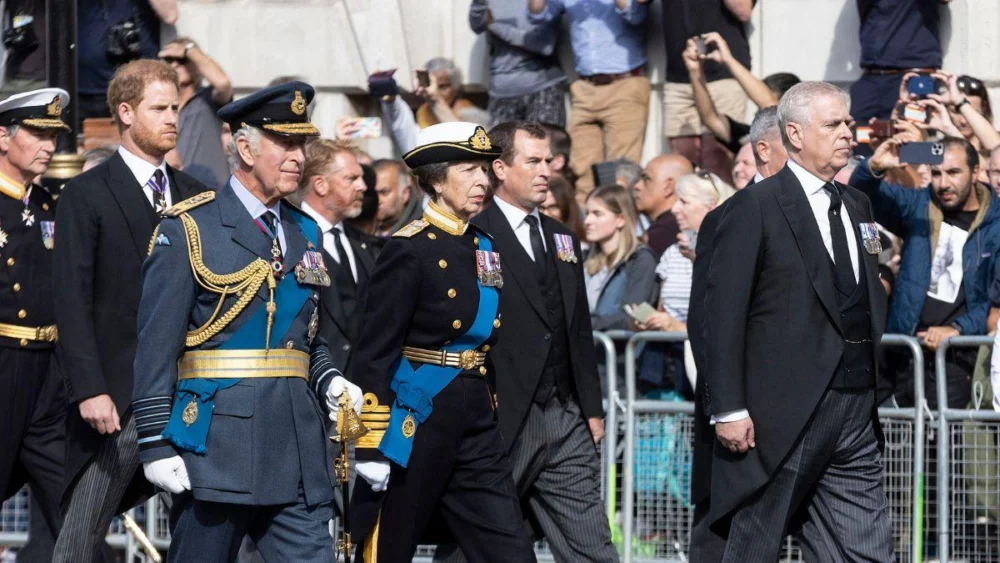
The former Prince Andrew is reportedly struggling with strict home confinement at the Sandringham Estate following his recent arrest on suspicion of misconduct in public office, with sources suggesting his movements are severely restricted. The 66-year-old former Duke of York was apprehended on February 19, 2026, and has since been confined to his new residence, Wood Farm, on the sprawling Norfolk estate, marking a new low in his protracted public downfall.
Andrew’s current predicament at Sandringham is described by royal observers as a stark contrast to his previously privileged existence, a consequence of escalating legal challenges and his indelible association with convicted sex offender Jeffrey Epstein. The arrest and subsequent home detention represent the latest chapter in a series of events that have systematically dismantled his public life and stripped him of his royal standing. His confinement at Wood Farm, a relatively modest property compared to his former grand residences, underscores the extent of his isolation.
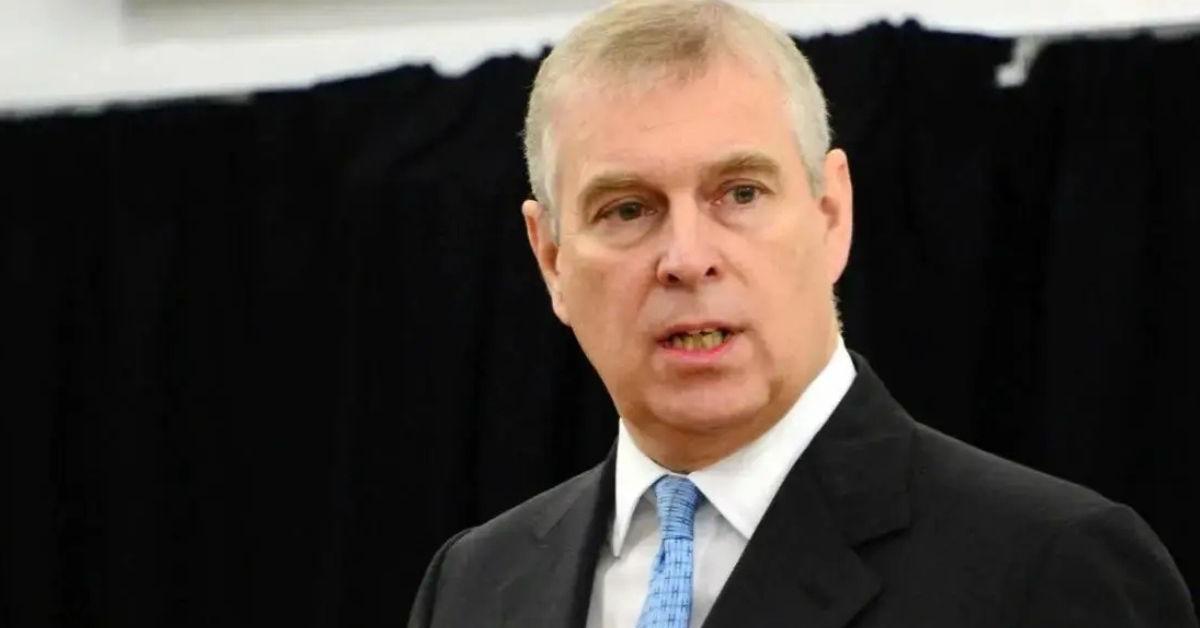
The arrest on suspicion of misconduct in public office has intensified scrutiny on the former royal. While specific details of the alleged misconduct remain under investigation by Thames Valley Police, such charges typically pertain to individuals in positions of public trust who abuse their authority for personal gain or to pervert the course of justice. For Andrew, whose public roles and privileges were largely a consequence of his royal birth, this charge carries significant implications, further eroding any remaining vestiges of his once-prominent status.
Royal biographer Andrew Lownie, a keen observer of the royal family, has painted a bleak picture of Andrew’s current state. Lownie revealed to the Daily Express that the former prince is effectively "stuck" at the royal family’s Norfolk home. "I hear he’s not even allowed to go out the front door to go [horseback] riding," Lownie stated, highlighting the severity of the conditions imposed upon him. This curtailment of freedom, particularly the inability to engage in outdoor pursuits, signifies a profound shift for a man who once enjoyed unparalleled access and liberty.
The internal narrative suggests Andrew is spending his days indoors, primarily "watching movies all day." This image, conveyed by Lownie, depicts a life of enforced idleness. "Well, what he did before really, which is to basically mooch around all morning in his dressing gown [bathrobe] and watch films," Lownie elaborated, drawing a connection to Andrew’s past habits. "He used to go out [horseback] riding. He can’t play golf but he watches videos. He’s always been a bit of a couch potato, and he is just doing exactly the same." This portrayal suggests a man ill-equipped for, and deeply affected by, his current confinement and the ongoing investigation.

The current legal troubles are not isolated but rather the culmination of years of scandal. Prince Andrew’s association with Jeffrey Epstein became a central point of contention following Epstein’s 2019 arrest and subsequent death. Allegations of sexual abuse by Virginia Giuffre, who claimed she was trafficked by Epstein and forced to have sex with Andrew when she was a minor, plunged the royal family into crisis. Although Andrew has consistently denied these allegations, the scandal led to his withdrawal from public duties in 2019. In 2022, he settled a civil lawsuit brought by Giuffre out of court for an undisclosed sum, a move widely interpreted as an admission of significant reputational risk.
The fallout from the Epstein affair has profoundly reshaped Andrew’s relationship with the monarchy. In January 2022, Queen Elizabeth II, with the full support of her son and heir, then Prince Charles, stripped Andrew of his military titles and royal patronages, and he ceased using his "His Royal Highness" style in public capacity. This unprecedented move by the late monarch signaled the royal family’s determined effort to distance itself from the scandal and protect the institution’s integrity.
Further punitive measures were enacted by King Charles III in October 2025. The King reportedly removed Andrew’s remaining royal titles and privileges, effectively severing his last formal ties to the working monarchy. Concurrently, Andrew was compelled to vacate his long-time residence, Royal Lodge, a sprawling property on the Windsor Estate, and relocate to the more modest Wood Farm on the Sandringham Estate. This relocation was not merely a change of address but a symbolic demotion, stripping him of the trappings of his former life and further isolating him from the heart of the royal family.

Lownie emphasized the profound impact of these losses on Andrew’s psyche. Speaking to People earlier this month, the biographer stated that Andrew "has been pampered all the way through his life" and had existed "in this bubble." For Andrew, "status is everything to him — it’s his only sense of identity," Lownie explained. The removal of his royal titles, he added, also cost him the right to be protected by the Crown, leaving him more exposed. Andrew reportedly viewed himself "a prince first, a naval officer second and a husband third," indicating how deeply his identity was intertwined with his royal roles.
The former prince reportedly believes "he was anointed" and that "it’s deeply unfair people have turned on him." This perspective, if accurate, suggests a disconnect from the public outcry and the severe consequences of his actions and associations. His current confinement, therefore, is not just a legal constraint but a personal humiliation, forcing him to confront a reality far removed from the deference and luxury he once commanded.
Andrew’s legal troubles and diminished status have cast a long shadow over the British monarchy, which has been working diligently to modernize its image and maintain public trust. The royal family, led by King Charles, has consistently sought to demonstrate a commitment to accountability, even for its own members. This stance is crucial for an institution that relies heavily on public perception and moral authority. The ongoing investigation into Andrew’s alleged misconduct reinforces the narrative that no one, regardless of birthright, is above the law.
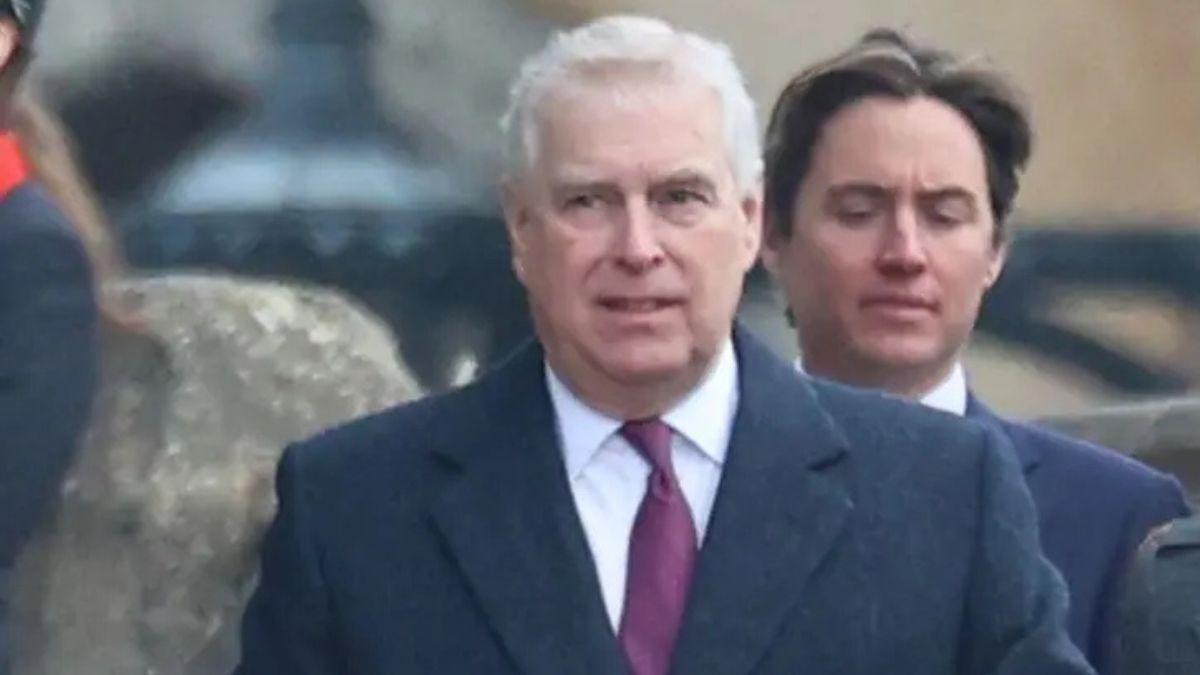
The broader implications extend beyond Andrew himself, influencing public discourse on privilege, accountability, and the role of royalty in modern society. Media scrutiny of the Duke of York’s affairs remains intense, with every development meticulously reported and analyzed. The public’s reaction has largely been one of disillusionment and a demand for justice, particularly given the severity of the allegations that led to his initial downfall.
Looking ahead, the legal process surrounding the "misconduct in public office" charge will determine Andrew’s immediate future. If formal charges are brought and he is found guilty, the consequences could include imprisonment, further damaging the monarchy’s reputation. Even if he avoids conviction, the specter of these allegations will likely follow him indefinitely.
"I don’t think he has any public future. I would say his private future is pretty limited, too," Lownie told Sky News last year, reflecting on Andrew’s long-term prospects. "What most annoys him is his lack of a royal status. That’s what really sort of gave him his whole sense of identity. And that’s, you know, it’s not being able to put on his uniforms and strut around and being self-important." His hope for "business activities," as mentioned by Lownie, appears increasingly tenuous given his isolation and tarnished reputation. The arrest and subsequent home confinement at Sandringham thus represent a profound and perhaps irreversible nadir for a former prince once destined for a life of prestige and public service, now reduced to a figure of intense legal scrutiny and personal solitude.