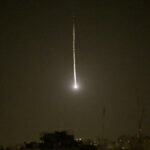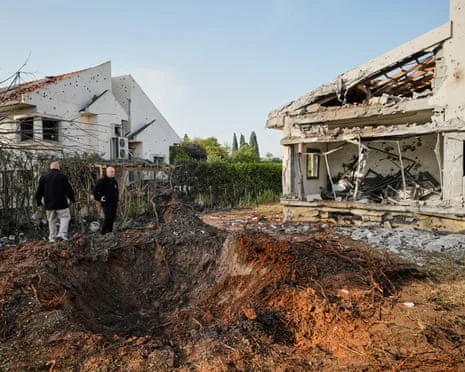
Global energy markets were thrown into fresh turmoil Thursday as Brent crude, the international benchmark, surged past the $100-per-barrel threshold following a series of coordinated Iranian attacks on energy infrastructure across the Middle East. The escalating conflict between Iran and the joint forces of the United States and Israel has now entered its second week, defying claims of a swift resolution and triggering the largest emergency oil reserve release in history.

The price of Brent crude jumped 9% to hit an intraday high of $100.29 per barrel, though it later retraced slightly to approximately $98 as traders weighed the impact of government interventions. The spike comes despite an unprecedented move by the International Energy Agency (IEA), which ordered the release of 400 million barrels from government stockpiles—the largest such action in the organization’s history. The United States contributed nearly half of that total, committing 172 million barrels from its Strategic Petroleum Reserve (SPR) to dampen a fuel shock reminiscent of the 1970s.
Despite these liquidity injections, the physical disruption of oil supplies remains a critical threat to the global economy. Iranian military officials have signaled that the campaign to target energy assets is far from over, with one spokesperson warning the West to "get ready for oil to be $200 a barrel." The regime in Tehran has argued that regional security, the bedrock of stable energy pricing, has been irrevocably compromised by the joint U.S.-Israeli offensive.

Iran Steps Up Campaign to Disrupt Energy Markets Through Asymmetric Strikes
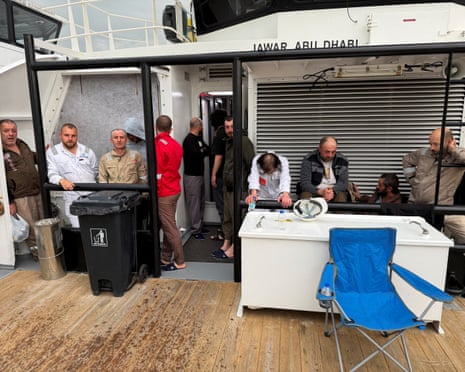
The latest phase of the conflict has seen Iran pivot toward an aggressive campaign of economic sabotage, specifically targeting the maritime arteries of the global oil trade. In the early hours of Thursday, two tankers carrying Iraqi fuel oil were set ablaze in the Persian Gulf after being struck by Iranian explosive-laden boats. Iraqi port security officials confirmed the death of at least one foreign crew member, prompting the immediate suspension of operations at all of Iraq’s oil terminals.
The disruption has paralyzed the Basra port, a vital hub for Middle Eastern exports. Farhan al-Fartousi, director general of the General Company for Ports of Iraq, stated that while commercial ports remain open for non-energy goods, the security situation around ship-to-ship oil transfers has become untenable. The identity of the projectiles—whether seaborne drones or cruise missiles—remains under investigation, but the tactical signature points directly to Tehran’s specialized naval units.
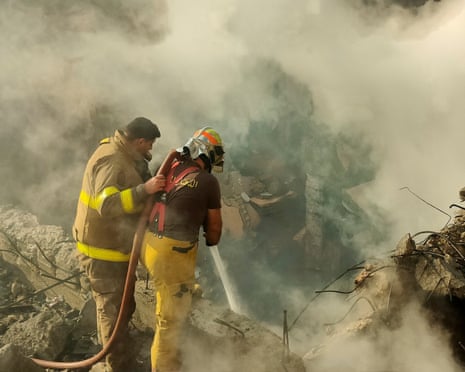
Simultaneously, the Strait of Hormuz, through which roughly one-fifth of the world’s oil passes, has become a gauntlet for merchant shipping. Several vessels reported being struck by drones or naval mines within the last 24 hours. The Iranian government has weaponized the geography of the waterway, utilizing its coastline to monitor and intercept traffic, effectively choking the flow of crude to Asian and European markets.
Regional Escalation and the Oil Price Spike Above $100 a Barrel
The geographic scope of the conflict widened on Thursday as Iranian-linked drones targeted civil and energy infrastructure in several neighboring states. Kuwait International Airport was struck by multiple unmanned aerial vehicles, causing significant material damage to the terminal buildings. While no injuries were reported in the Kuwait City strike, the incident follows a similar attack near Dubai International Airport in the United Arab Emirates, where air defenses intercepted two drones on Wednesday.
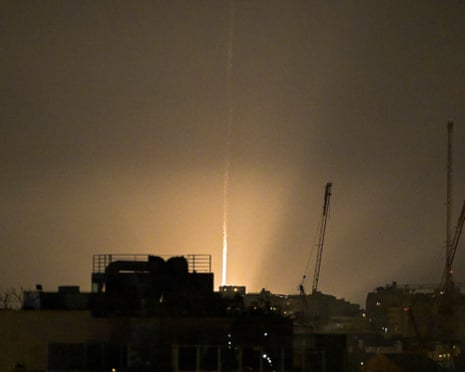
The aviation sector has reacted swiftly to the rising danger. The Dutch carrier KLM announced the cancellation of all flights to Dubai through late March, citing the unpredictable nature of the drone threat. In Bahrain, the Interior Ministry issued a shelter-in-place order for residents in parts of the Muharraq Governorate after an Iranian strike ignited fuel storage tanks. Residents were advised to seal windows and ventilation systems to protect against toxic smoke from the persistent fires.
Oman has also taken drastic precautionary measures, evacuating all vessels from its primary oil export terminal at Mina Al Fahal. The move followed drone strikes on the port of Salalah, where Omani civil defense teams are currently battling blazes in multiple fuel reservoirs. The U.S. Embassy in Muscat has maintained strict security guidance for Americans in the region, particularly those located near the industrial hub of Duqm.
Geopolitical Standoff and Political Consequences
In the United States, President Donald Trump has maintained a defiant stance, using a campaign-style rally in Kentucky to assert that the U.S. has already "won" the war. Trump told supporters that the Iranian military has "practically nothing left to target," yet he emphasized that U.S. forces would not be withdrawing in the immediate future. "We don’t want to leave early, do we?" Trump asked the crowd. "We’ve got to finish the job."
This rhetoric contrasts sharply with assessments from the U.S. intelligence community. According to reports citing senior intelligence officials, the Iranian leadership remains largely intact and is not currently facing a risk of internal collapse. Despite the intensity of the air campaign, the regime continues to retain control over the domestic population and its proxy networks across the "Axis of Resistance."
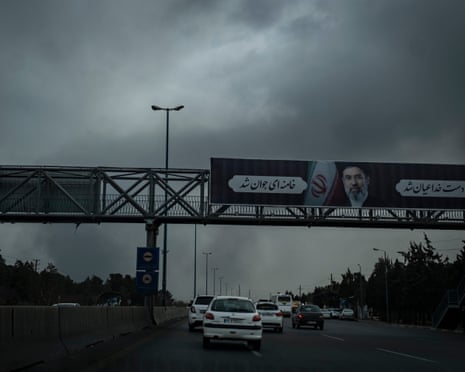
Iranian President Masoud Pezeshkian has demanded that any ceasefire agreement include comprehensive reparations and formal security guarantees. Tehran has framed the conflict as a defense against "heinous crimes" committed by Washington and Tel Aviv, citing the assassination of high-ranking officials as the catalyst for the current hostilities. The Trump administration, however, has reiterated its demand for "unconditional surrender" before any diplomatic negotiations can begin.
Global Economic Fallout and Domestic Energy Policies
The sustained oil price spike above $100 a barrel is forcing governments worldwide to revisit emergency energy protocols not seen in decades. In New Zealand, Finance Minister Nicola Willis confirmed that officials are discussing the reactivation of "carless days" legislation. These laws, originally introduced following the 1979 Iranian Revolution, require car owners to pick one day a week where their vehicle remains off the road, with heavy fines for violators.
Australia has also taken emergency action to preserve its domestic fuel security. Energy Minister Chris Bowen announced a temporary 60-day downgrade in national fuel quality standards, allowing for higher sulfur content in petrol. The move is designed to inject an additional 100 million liters per month into the system by retaining fuel that would otherwise have been exported. Bowen stated that the government is prioritizing regional communities, farmers, and fishers who are most vulnerable to the surging costs of diesel and gasoline.
Across Asia, the world’s largest oil-importing region, the crisis is reaching a breaking point. From Pakistan to South Korea, nations are scrambling to secure alternative energy sources as the Strait of Hormuz remains contested. Foreign ministers from the Association of Southeast Asian Nations (ASEAN) have scheduled a special emergency meeting for Friday to coordinate a regional response to the brewing supply crunch.
Humanitarian Crisis and Military Developments in Lebanon
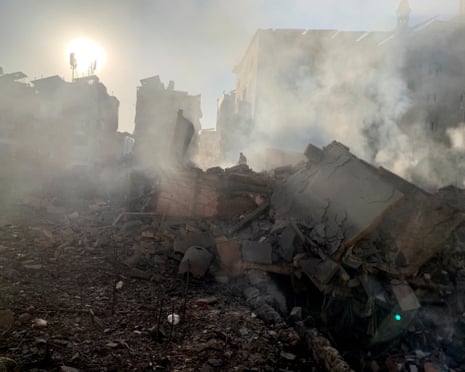
While the economic war rages in the Persian Gulf, the kinetic conflict in Lebanon continues to claim a heavy toll. An Israeli drone strike on the seafront of central Beirut killed at least seven people and wounded 21 others on Thursday morning. The strike targeted a vehicle in the Ramlet al-Bayda district, marking the third time the heart of the Lebanese capital has been hit since the outbreak of the war.
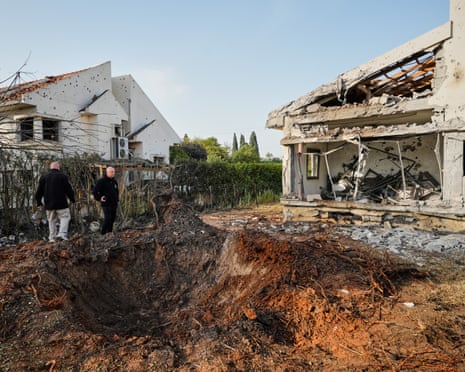
The Israel Defense Forces (IDF) defended the strikes, claiming they were targeting Hezbollah infrastructure following a barrage of dozens of rockets fired toward Tel Aviv. According to Lebanese health authorities, more than 570 people have been killed in Lebanon over the last two weeks, including at least 83 children. The violence has displaced approximately 750,000 people, creating a humanitarian disaster that aid agencies say they are unequipped to handle.

In Iraq, the conflict has also reached international military installations. An Italian military base in the Kurdish region of Erbil was attacked on Thursday. Italian Foreign Minister Antonio Tajani condemned the strike but confirmed that all personnel on the base were safe. The identity of the attackers remains unconfirmed, though the region has frequently been targeted by Iranian-backed militias in retaliation for U.S. military activity.
Long-term Outlook for Global Energy Security
As the conflict nears its third week, the "finish the job" strategy articulated by the White House faces the reality of a protracted asymmetric war. Iran’s ability to disrupt energy markets even while under heavy bombardment has demonstrated the vulnerability of the global supply chain. The $100-per-barrel mark may only be a precursor to higher prices if the maritime security environment in the Persian Gulf does not stabilize.
Market analysts warn that the IEA’s reserve release is a finite tool. While 400 million barrels provides a temporary buffer, it cannot replace the daily flow of millions of barrels that move through the Middle East’s ports. The global economy remains tethered to the security of these narrow waterways, and as long as the "economic targets" of the region remain in the crosshairs, the threat of a global recession remains acute.
The coming days will likely determine if the conflict expands into a broader regional war or if the mounting economic pressure forces a shift in diplomatic strategy. For now, with tankers burning and airports under drone fire, the world remains on high alert for the next phase of the energy crisis.