United States envoys Steve Witkoff and Jared Kushner are en route to Pakistan, arriving as Iran’s Foreign Minister Abbas Araghchi lands in Islamabad, sparking cautious optimism for renewed diplomatic engagement aimed at de-escalating tensions and potentially charting a path toward talks with Tehran. The high-stakes visit occurs amidst a fragile ceasefire and escalating friction over the strategic Hormuz Strait, a vital artery for global oil trade.
Diplomatic Maneuvers Amidst Heightened Tensions
The White House confirmed the dispatch of the envoys, with Press Secretary Karoline Leavitt expressing a desire to "move the ball forward to a deal." The administration’s hope is that this Pakistani diplomatic effort could facilitate a breakthrough after previous rounds of talks yielded no substantive progress. However, clarity remains elusive regarding whether the Iranian delegation, led by Minister Araghchi, has formally agreed to direct discussions with the American representatives during this visit.
Minister Araghchi, in a post on X, had outlined a "timely tour of Islamabad, Muscat, and Moscow" to discuss "bilateral matters." His itinerary, as publicly stated, did not explicitly mention any planned meetings with US negotiators, suggesting a potentially indirect approach to conveying messages and proposals. This deliberate ambiguity underscores the delicate nature of the current diplomatic climate.
President Donald Trump himself has voiced optimism about a potential agreement, reportedly telling Reuters that Iran is "making an offer" designed to address US demands, notably concerning the cessation of its nuclear program. This sentiment was echoed by US Defense Secretary Pete Hegseth, who characterized the situation as an "open window" for Iran to "choose wisely" at the negotiating table. Hegseth stressed that a key requirement for any favorable deal would be Iran’s "abandon[ment] of a nuclear weapon in meaningful and verifiable ways."
Pakistan’s Mediatory Role and Iranian Stance
Despite the overtures from Washington, Pakistani government sources indicated that Araghchi’s visit would be brief and primarily focused on presenting Iran’s proposals for talks with the US. These proposals would then be conveyed to Washington through Pakistan’s mediation. This suggests a potential layered communication strategy rather than immediate, face-to-face negotiations.
Reporting from Tehran, Al Jazeera’s Ali Hashem relayed a clear message from a "senior official" who asserted that direct US-Iran talks would not take place in Pakistan. The official emphasized that while regional partners have their own ideas for resolving the current deadlock, Iran has not yet committed to a new round of direct talks. This stance highlights Iran’s cautious approach and its desire to control the pace and nature of any engagement.
Absence of Key Negotiators and Evolving Strategy
The absence of prominent figures from previous negotiation rounds has also drawn attention. Reports from Iranian state media made no mention of Mohammad Baqer Ghalibaf, the speaker of Iran’s parliament, who led its delegation in earlier talks with the US that concluded without a breakthrough. The Iranian parliament’s media office has denied reports of Ghalibaf’s resignation as head of the negotiating team, reiterating that no new talks are currently scheduled.
While US Vice President JD Vance, a participant in the initial round, is not traveling to Pakistan, White House Press Secretary Leavitt stated that he remains "deeply involved" and on "standby" should his participation become necessary. President Trump’s decision to send Witkoff and Kushner is framed as an effort "to hear the Iranians out," with Leavitt noting "some progress from the Iranian side in the last couple of days," though without providing specific details.
An Exploratory Phase in Diplomacy
From Washington, Al Jazeera’s Mike Hanna characterized the unfolding situation as a "graded process," describing it as an "initial exploratory phase." This approach, he suggested, could pave the way for "higher-level engagement if negotiations deepen." This implies a carefully calibrated diplomatic strategy designed to avoid premature escalation or commitment.
A new round of talks was initially anticipated to commence on Tuesday but was postponed as Iran indicated it was not yet ready to commit to attending. President Trump had unilaterally extended a two-week ceasefire on Tuesday, ostensibly to provide additional time for negotiators to reconvene. This extension occurred concurrently with the continuation of the US blockade on Iranian ports, a move that has further strained relations.
Economic Pressure and Strait of Hormuz Standoff
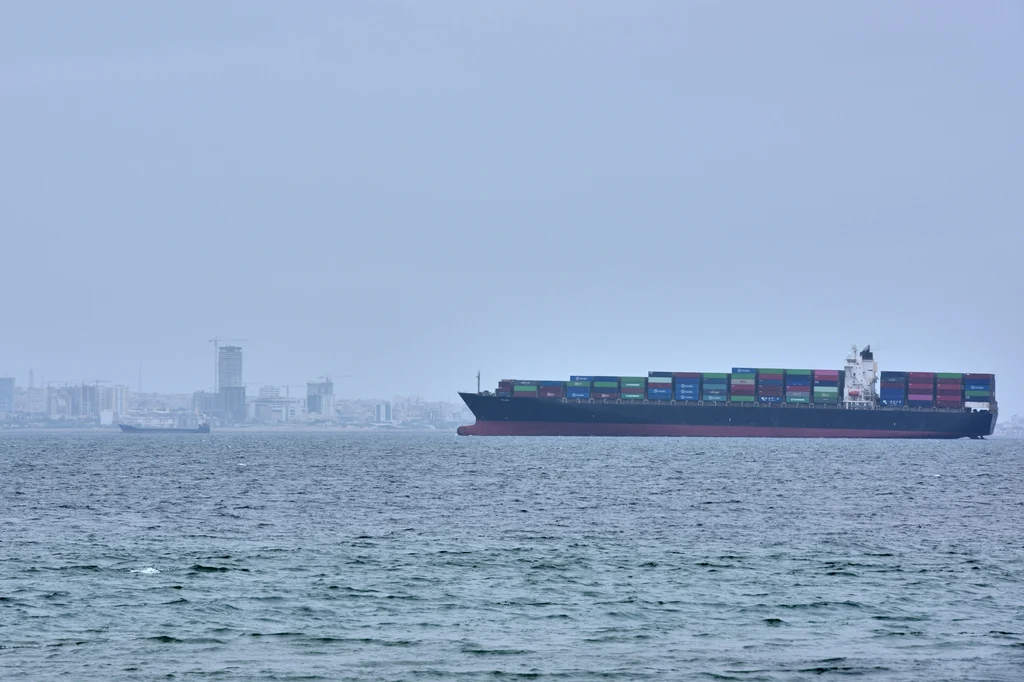
The blockade of Iranian ports by the US has been met with a firm response from Tehran. Iran has reiterated its intention to continue blocking the Strait of Hormuz, a critical maritime trade chokepoint, until President Trump lifts the blockade. In a further display of economic pressure, the US on Friday froze $344 million in cryptocurrency assets, aiming to "systematically degrade Tehran’s ability to generate, move, and repatriate funds."
This dual strategy of seeking diplomatic engagement while simultaneously applying economic pressure reflects the complex and often contradictory nature of international relations in volatile regions. The success of any future talks will likely hinge on the administration’s ability to balance these competing objectives and on Iran’s willingness to demonstrate tangible concessions.
Broader Implications for Regional Stability
The current diplomatic maneuvering occurs against a backdrop of broader regional instability. The ongoing tensions between the US and Iran, coupled with the proxy conflicts in neighboring countries, create a volatile environment where miscalculation could have far-reaching consequences. The involvement of Pakistan as a mediator highlights the country’s significant role in regional diplomacy and its ability to act as a bridge between adversaries.
The economic implications of continued conflict or blockade in the Strait of Hormuz are substantial. Global oil prices could surge, impacting economies worldwide and potentially triggering inflation. The disruption to shipping lanes could also affect supply chains for a wide range of goods, further complicating the global economic landscape.
Public Perception and Political Ramifications
For the public, the prospect of renewed talks offers a glimmer of hope for a de-escalation of tensions and a reduction in the risk of wider conflict. However, the protracted nature of the dispute and the lack of clear progress in past negotiations may foster a sense of skepticism. The political ramifications of any eventual agreement or breakdown in talks will be significant, both domestically for the US and Iran, and internationally.
The outcome of these diplomatic efforts could shape the future of Iran’s nuclear program, its regional influence, and its relationship with the international community. It could also impact the broader geopolitical balance of power in the Middle East, influencing alliances and rivalries among regional actors.
The Path Forward: Uncertainty and Cautious Hope
As US envoys prepare to engage in potentially indirect discussions in Pakistan, the situation remains fluid and uncertain. While the White House expresses optimism, Iranian officials have maintained a cautious stance, emphasizing their own strategic priorities and timelines. The effectiveness of Pakistan’s mediation and the willingness of both sides to compromise will be critical factors in determining whether this diplomatic initiative can yield any tangible results. The coming days will likely reveal more about the true intentions of both Washington and Tehran and the potential for a genuine shift in the current trajectory of their adversarial relationship.