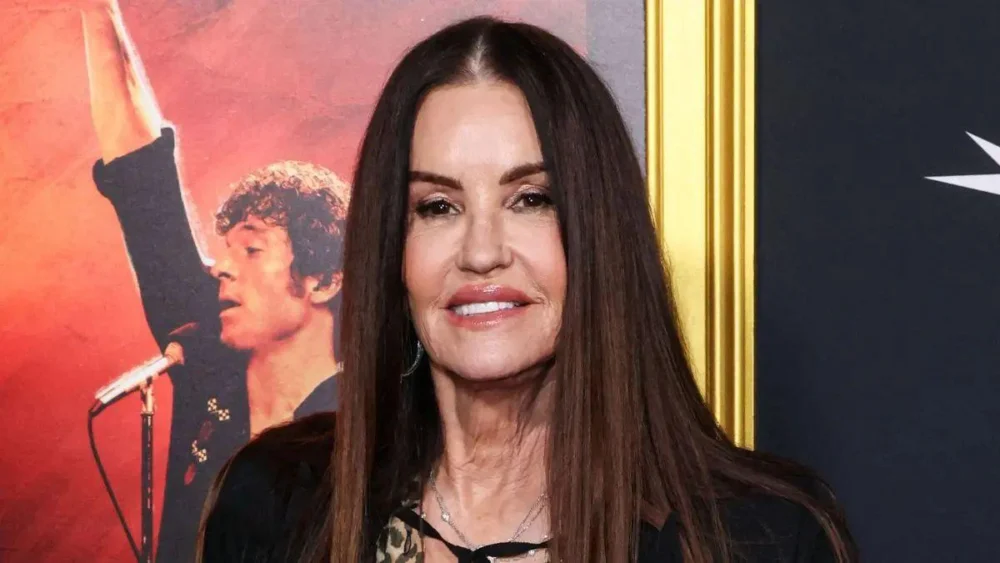
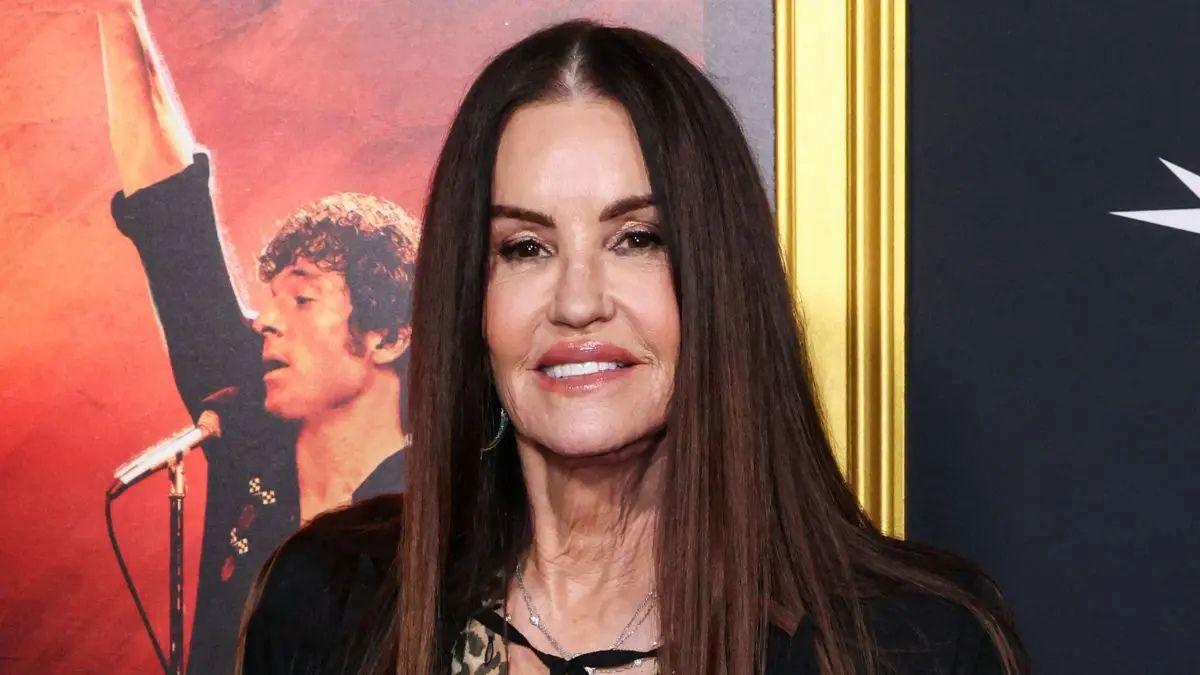
Janice Dickinson, a former judge on the iconic reality competition series America’s Next Top Model (ANTM), has reignited long-standing criticisms against host Tyra Banks, alleging that contestants were subjected to "torture" designed to inflate Banks’ "ego" and eliminate potential competition. Dickinson’s remarks, made during an appearance on the docuseries Dirty Rotten Scandals, add a new layer to the ongoing re-evaluation of the modeling show’s controversial practices.
The Genesis of Controversy: Dickinson’s Damning Accusations
Dickinson, a prominent figure in the modeling world and a judge on ANTM from 2003 to 2006, asserted that the series systematically undermined the young women vying for a modeling contract. She explicitly stated that Banks "put the girls down for everything — their hairstyles, the way they walked, the way they hold their face." According to Dickinson, this relentless criticism had a profound and damaging effect, effectively "tor[ing] their ego and identity." She characterized Banks as "a hardcore b—-" during the show’s initial seasons.

The former judge further speculated on Banks’ motivations, suggesting that "Tyra didn’t want any competition." This claim suggests a deeper, more personal dynamic at play, implying that Banks’ alleged harshness was rooted in insecurity or a desire to maintain absolute dominance. Dickinson controversially added that Banks "would go harder on the Black girls on the show, because it’s about competitiveness and jealousy and her being older than these young models." These allegations point to a troubling undercurrent of racial bias and ageism influencing Banks’ interactions with contestants.
The Early Years of America’s Next Top Model and its Cultural Impact
America’s Next Top Model premiered in 2003, quickly becoming a cultural phenomenon. Created and executive produced by Tyra Banks, a supermodel herself, the show offered aspiring models a highly coveted platform to break into the fashion industry. The premise was simple yet compelling: a group of young women competed in various challenges, photo shoots, and runway walks, with one contestant ultimately crowned "America’s Next Top Model," securing a modeling contract and often a magazine spread.
The show, which ran for 24 cycles over 15 years, captivated audiences with its blend of high fashion, intense competition, and dramatic personal narratives. It launched the careers of some models and brought the often-opaque world of high fashion into millions of homes. Banks positioned herself as a mentor and tough-love figure, coining phrases like "smize" and delivering memorable, often stern, critiques. Janice Dickinson, known for her unfiltered and often brutal honesty, was a key part of the original judging panel, alongside fashion photographer Nigel Barker and creative director Nolé Marin (and later, other industry professionals). Her role was to deliver blunt assessments, a characteristic that she now claims was actively encouraged by the show’s producers.
Behind the Scenes: A Culture of Manufactured Cruelty?
Dickinson’s recent statements echo long-held suspicions about the manipulative nature of reality television production. She alleged that both producers and Banks herself "were begging me to be harsher and cruel, like Simon Cowell was on American Idol." This suggests a deliberate strategy to heighten drama and entertain viewers at the expense of contestants’ emotional well-being. The comparison to Simon Cowell, renowned for his cutting remarks on music competition shows, highlights a broader trend in early 2000s reality TV where abrasive judging was often seen as a cornerstone of entertainment.
The psychological toll on contestants was, according to Dickinson, severe. She contended that Banks "did not build up enough confidence in the girls," leading them to "leave the show completely depressed and depleted while she got so effing rich." This paints a picture of exploitation, where the emotional struggles of aspiring models were seemingly leveraged for financial gain and viewership, leaving the participants with lasting psychological scars.
Tyra Banks’ Recent Admissions and Accountability

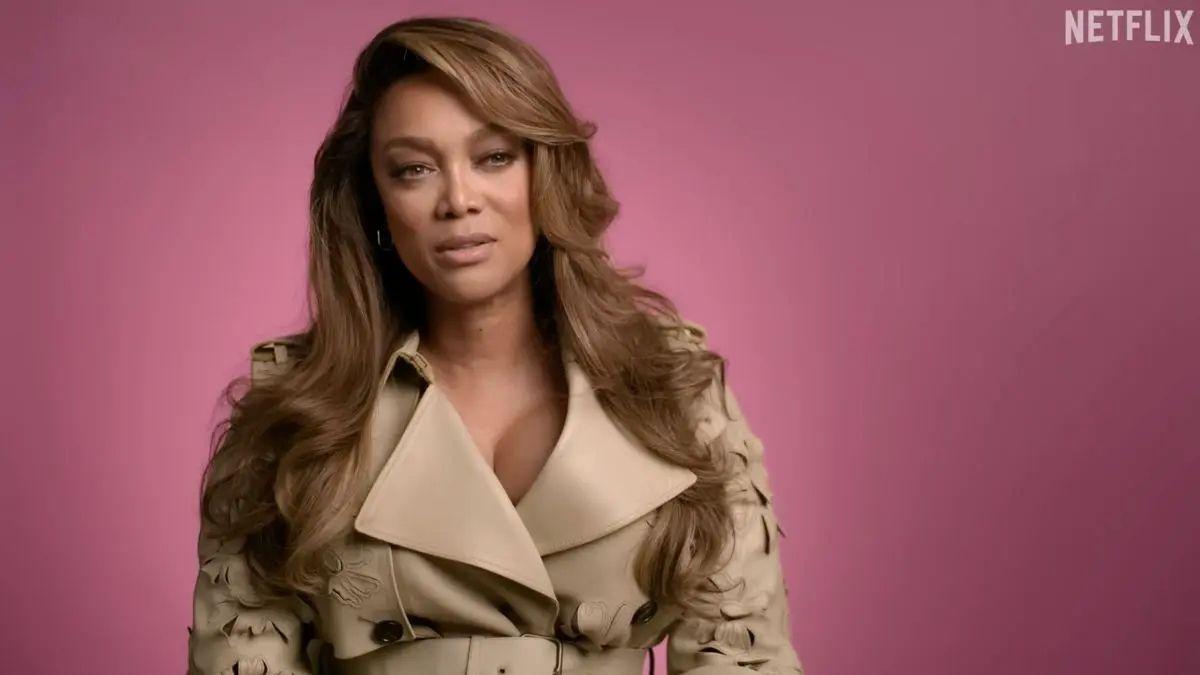
While Banks, now 52, did not participate in Dirty Rotten Scandals, she has addressed criticisms of ANTM in other forums. In Netflix’s Reality Check: Inside America’s Next Top Model, she made a significant admission: "I knew I went too far." Banks attributed some of the show’s extreme challenges and critiques to audience demand, stating, "you guys were demanding it, so we kept pushing it, more and more and more."
This explanation, while acknowledging her role, also attempts to diffuse some responsibility by suggesting external pressure influenced the show’s direction. According to co-director Mor Loushy, securing Banks’ participation in the Netflix docuseries was a lengthy process, requiring "several months of negotiations." Loushy noted that Banks was "very emotional" during her interview, indicating a personal reckoning with the show’s past and her own conduct. She reportedly "wanted to tell her side of the story, like the contestants are telling their side of the story," suggesting a desire for a more nuanced portrayal of her role.
Contestant Voices: Echoes of Distress
The documentaries and ongoing public discourse have provided a platform for former America’s Next Top Model contestants to share their experiences, many of which align with Dickinson’s allegations. Yoanna House, winner of Cycle 2, described her time on the show as akin to being in a "narcissistic relationship." She detailed a cycle of "love-bombing" followed by abrupt "devalu[ation] at the drop of a hat," illustrating the emotional whiplash contestants often endured.
House, now 45, articulated a dehumanizing aspect of the experience, stating, "You’re almost an animal for spectator sport versus a human being." She characterized the show as an "experiment to see how easy we could crack and break," highlighting the intense psychological pressure and emotional manipulation involved. These testimonies underscore the mental health implications for individuals placed in such a high-stakes, high-scrutiny environment.
Keenyah Hill, a contestant from Cycle 4, also spoke out about one of the show’s most infamous controversies: the "race swapping" episode. In this challenge, contestants were made to portray different racial stereotypes through makeup and styling, leading to accusations of insensitivity and cultural appropriation. Hill, now 40, commented on the power imbalance, noting that contestants "don’t really have the courage at the time to say, ‘Hey, this isn’t politically correct,’ or however you may feel." This highlights the difficult position young, aspiring models found themselves in, often fearing that speaking out would jeopardize their chances of success.
Broader Implications for Reality Television Ethics
The renewed scrutiny of America’s Next Top Model is part of a larger cultural trend of re-evaluating reality television, particularly shows from the early 2000s and 2010s. Many older reality programs are now being viewed through a contemporary lens, with increased awareness of mental health, ethical production practices, and representation. The current discourse questions the entertainment value derived from public humiliation, body shaming, and manufactured conflict.
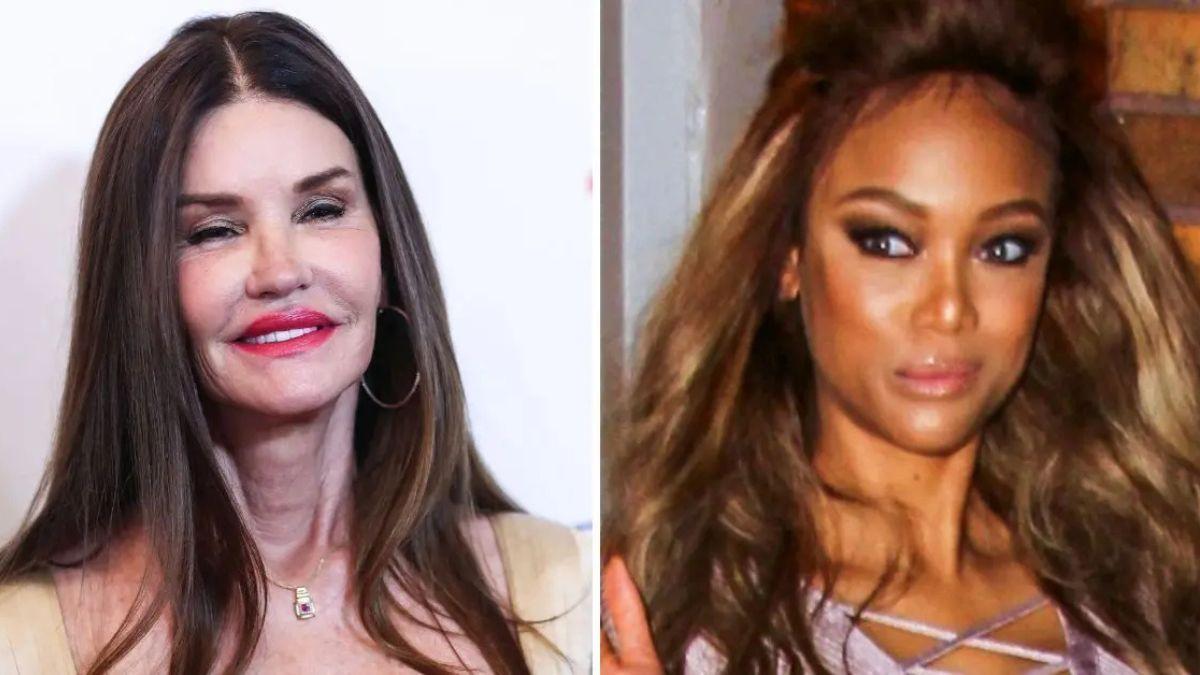
ANTM’s controversies, including its handling of race, body image, and mental well-being, have become case studies in the ethical responsibilities of media producers. The show, which once championed diversity and challenged conventional beauty standards, is now often criticized for its own shortcomings in those areas. The allegations of Banks targeting Black contestants, combined with the "race swapping" episode and other racially insensitive moments, have led to a significant re-examination of the show’s legacy concerning racial equity.
The long-term impact on contestants, many of whom were very young and vulnerable, continues to be a central point of concern. The promise of fame and fortune often obscured the potential for psychological harm, and the current wave of docuseries and testimonials serves as a corrective, giving voice to those who felt silenced or exploited.
The Ongoing Legacy and Future of Scrutiny
The revelations from Janice Dickinson and the testimonies of former contestants continue to shape the narrative around America’s Next Top Model and Tyra Banks. While Banks has acknowledged past missteps and expressed remorse, the depth and breadth of the criticism suggest a more systemic issue within the show’s production culture.
The ongoing public conversation serves as a powerful reminder of the ethical considerations inherent in reality television. As audiences become more discerning and demand greater accountability from media creators, the legacy of shows like America’s Next Top Model will continue to be debated and re-evaluated, prompting the industry to reflect on its past practices and strive for more responsible and humane approaches to entertainment. The spotlight on these past controversies underscores a significant shift in cultural expectations regarding the treatment of individuals in the pursuit of television spectacle.