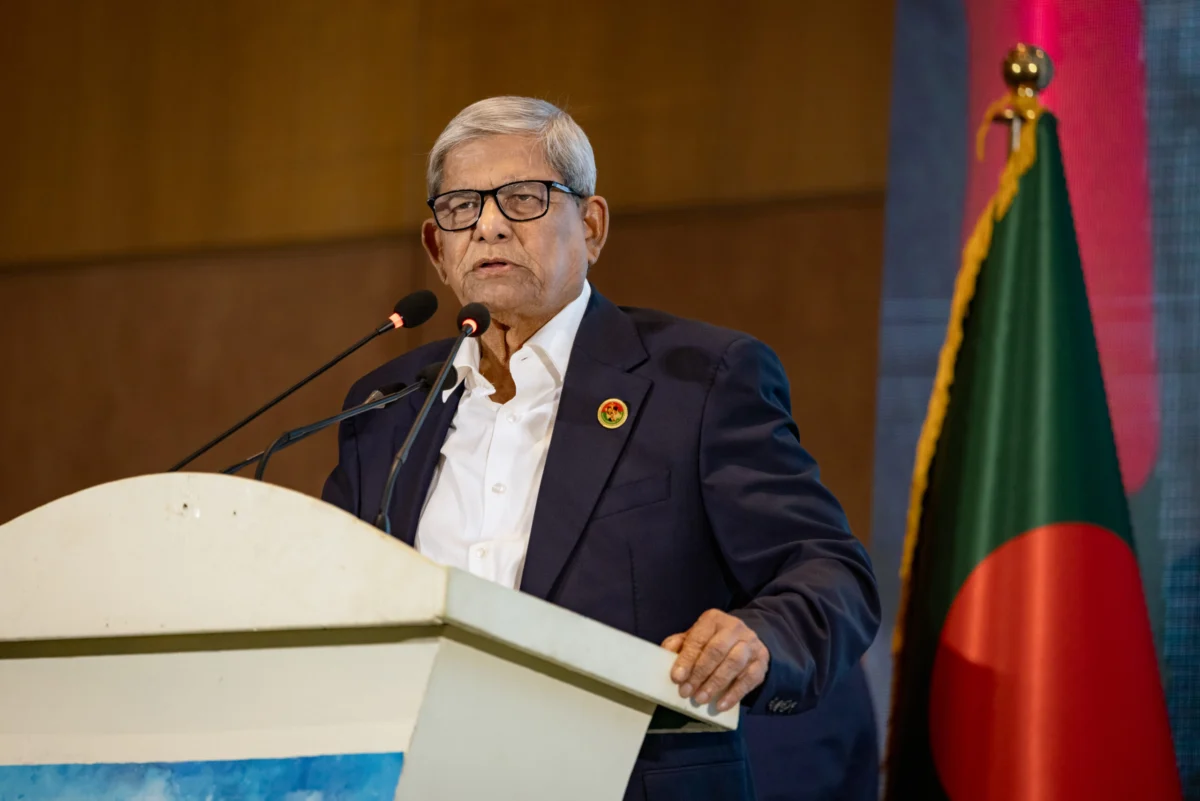
Mirza Fakhrul Islam Alamgir, a seasoned leader of the Bangladesh Nationalist Party (BNP), has been elected as the new president of Bangladesh by a significant parliamentary vote, filling the vacancy left by the abrupt resignation of Mohammed Shahabuddin. The election underscores a period of significant political transition in the South Asian nation following a seismic shift in government earlier this year.
The presidential vote, held on Thursday, saw Alamgir secure a commanding victory with 255 votes against his opponent Oli Ahmed’s 88. At 78 years old, Alamgir brings decades of political experience to the nation’s highest office, a role that, while largely ceremonial, carries the weight of head of state and commander-in-chief of the armed forces. His election marks a notable moment for the BNP, which recently returned to power after a period of political upheaval.
The vacancy arose late last month when the previous president, Mohammed Shahabuddin, a 76-year-old figure closely associated with the former ruling Awami League, submitted his resignation two years shy of completing his full term. Citing unspecified health concerns as the primary reason for his early departure, Shahabuddin’s exit triggered the constitutional mandate for a new presidential election within 90 days. The swift election of Alamgir adheres to this timeline, ensuring continuity in the state apparatus.
Alamgir, a lifelong member of the BNP, has a political trajectory deeply intertwined with Bangladesh’s tumultuous democratic journey. His early activism began in the 1990s, following a significant period of student leadership during the 1969 uprising against Pakistan’s military rule. His economic studies at Dhaka University provided a foundation for his engagement in national politics, shaping his understanding of the nation’s socio-economic challenges.
His political career has been marked by periods of intense activity and significant challenges. Alamgir has held numerous ministerial portfolios throughout his career, including stints as minister of local government, agriculture, aviation, and tourism. These roles provided him with extensive administrative experience and a deep understanding of the country’s governance structures. He has often spoken of his experiences with politically motivated arrests, a testament to the often-contentious nature of Bangladeshi politics.
The broader political landscape into which Alamgir steps as president has been dramatically reshaped. The Awami League government, led by Prime Minister Sheikh Hasina, was ousted in 2024 in the wake of widespread youth protests. This event, a significant turning point, paved the way for the BNP’s return to power. The party secured a substantial two-thirds majority in parliament in the general election held on February 12, leading to the appointment of Tarique Rahman as prime minister.
The resignation of President Shahabuddin added another layer of complexity to this evolving political scenario. Elected in 2023 during the Awami League’s zenith of power, his tenure was relatively short. Facing mounting pressure from opposition parties and reportedly grappling with serious illness, his decision to step down created an immediate need for a new head of state. His departure marked the end of an era closely aligned with the Awami League’s dominance.
Alamgir’s vision for the presidency, as articulated before the vote, centers on a desire for a "happy, prosperous and welfare-oriented state." He specifically highlighted the need to ensure that marginalized communities, hardworking individuals, and daily wage earners can secure basic necessities, such as adequate food. This emphasis on social welfare and economic upliftment reflects the challenges faced by a significant portion of Bangladesh’s population and signals a potential policy direction for the new administration.
The outcome of the presidential election has broader implications for Bangladesh’s political stability and international standing. The BNP’s return to power, coupled with the election of a veteran from their ranks to the presidency, signals a clear shift in the nation’s political direction. This transition will be closely watched by regional powers and international organizations, particularly concerning democratic governance and human rights.
The legacy of Sheikh Hasina’s long tenure, which ended abruptly with the 2024 protests, continues to cast a shadow. Hasina, who left Bangladesh following the mass uprising, is reportedly residing in India and has expressed intentions to return in December. Her potential return could introduce further dynamics into the political environment, depending on her reception and the legal proceedings she may face. The political climate remains fluid, with the BNP now tasked with consolidating its power and addressing the nation’s pressing issues.
The role of the presidency, while primarily symbolic, serves as a unifying figurehead for the nation. Alamgir’s background as a former minister and his long association with the BNP position him as a figure capable of navigating the complexities of the presidency. His focus on welfare and inclusivity, if translated into tangible policy, could resonate with a population eager for economic relief and social progress.
The election of Mirza Fakhrul Islam Alamgir as president of Bangladesh marks a significant chapter in the country’s ongoing democratic evolution. As the BNP solidifies its governance, the nation will be looking to its new leaders to address economic disparities, foster social cohesion, and uphold democratic principles. The challenges are substantial, but the election of a seasoned politician like Alamgir provides a foundation for navigating the path ahead. His tenure will undoubtedly be scrutinized for its impact on the nation’s development and its place on the global stage. The coming months will reveal the true extent of his influence and the direction he will steer the nation’s highest office.