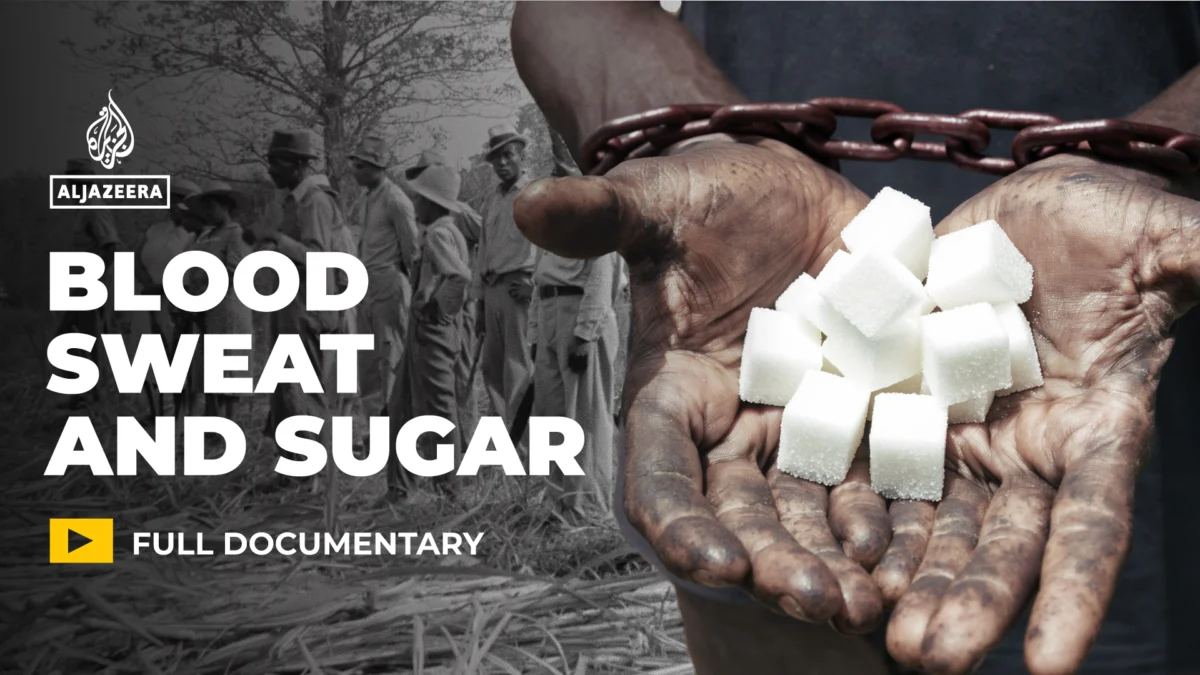
The pervasive sweetness of sugar masks a deeply bitter history, a legacy of slavery, brutal exploitation, and devastating environmental damage that continues to cast a long shadow over the modern world. This profound and unflinching examination of one of the globe’s most ubiquitous commodities reveals how an alluring luxury became the cornerstone of a global economic system, built on the backs of enslaved people and fueled by insatiable colonial ambition. The ramifications of this historical exploitation are not confined to the past; they manifest today in persistent labor abuses, depleted landscapes, and deep-seated social inequalities.
The allure of sugar, its intoxicating sweetness and addictive qualities, belies the immense human suffering inextricably linked to its production. For centuries, this seemingly innocuous ingredient has been the engine of empires, a driving force behind international trade, and a catalyst for immense wealth accumulation, all at a staggering human cost. The story of sugar is, in essence, the story of global power dynamics, colonial expansion, and the enduring struggle for human dignity and fair labor practices.
The Genesis of a Global Addiction: From Plantation to Empire
The transformation of sugar cane from a tropical delicacy to a global staple began in earnest with the dawn of the colonial era. European powers, driven by mercantilist ambitions and a relentless pursuit of profit, recognized the immense economic potential of sugar cultivation. The Caribbean islands, with their fertile soil and ideal climate, quickly became the epicenter of this burgeoning industry. However, the labor-intensive nature of sugar cane harvesting and processing demanded a workforce that could endure the brutal conditions.
The horrific solution was the transatlantic slave trade. Millions of Africans were forcibly uprooted from their homes, subjected to unimaginable cruelty during the perilous journey across the Atlantic, and then condemned to a life of perpetual servitude on sugar plantations. These plantations were essentially hellscapes, where backbreaking labor, disease, and violence were the daily realities for enslaved men, women, and children. The sugar produced, a symbol of opulence and refinement in Europe, was directly subsidized by the blood and sweat of those denied their basic humanity.
The economic model of the sugar plantation was brutally efficient in its exploitation. High mortality rates among enslaved laborers meant a constant demand for new arrivals, further perpetuating the horrific cycle of the slave trade. The wealth generated by sugar flowed back to European metropolises, funding industrial revolutions and shaping the economic destinies of nations, while leaving the regions of production mired in poverty and social disruption.
The Global Reach of Sugar: Fueling Colonial Expansion and Modern Trade
The insatiable demand for sugar in Europe and later in North America propelled further colonial expansion and intensified international trade. As European powers established colonies across the Americas, Africa, and Asia, sugar cultivation followed, often displacing indigenous populations and transforming vast tracts of land into monoculture plantations. This expansion was not merely about economic gain; it was a geopolitical strategy, with control over sugar-producing territories translating directly into political and military power.
The trade routes established to transport sugar, rum (a byproduct of sugar production), and molasses became arteries of global commerce, but also conduits of further exploitation. The triangular trade, a notorious system linking Europe, Africa, and the Americas, was heavily reliant on the sugar industry. While European nations amassed fortunes, many African societies were destabilized by the constant raids for slaves, and the economic development of colonized regions was deliberately stunted to serve the interests of the imperial powers.
Even after the abolition of slavery in many parts of the world, the exploitative practices within the sugar industry persisted. Contract labor, indentured servitude, and other forms of coerced labor emerged, often targeting marginalized communities and migrant workers. The legacy of plantation economies continued to shape social structures, creating entrenched systems of inequality and discrimination that endure to this day.
Modern Refineries, Persistent Scars: The Contemporary Sugar Landscape
The narrative of sugar’s impact does not end with the decline of overt slavery. Modern sugar production, while employing different labor models, continues to grapple with the shadows of its past. From vast industrial refineries in the Dominican Republic and Brazil to sprawling sugar cane fields in India and South Africa, the industry remains a significant economic force, but often at a considerable social and environmental cost.
On-the-ground reporting and investigative journalism have consistently highlighted the challenges faced by workers in contemporary sugar production. Low wages, precarious working conditions, and the constant threat of injury are prevalent in many sugar-producing regions. Migrant laborers, often lacking legal protections and recourse, are particularly vulnerable to exploitation. The pursuit of profit in a highly competitive global market can incentivize companies to cut corners, with human rights and environmental sustainability often taking a backseat.
Furthermore, the environmental consequences of large-scale sugar cultivation are profound. The intensive use of water for irrigation, the widespread application of pesticides and fertilizers, and the clearing of land for plantations contribute to deforestation, soil degradation, and water pollution. The ecological scars left by centuries of sugar production are evident in the depleted landscapes and the compromised biodiversity of many sugar-producing regions.
Reclaiming Dignity and Fairness: Communities Fighting for Change
Despite the grim realities, a powerful narrative of resilience and resistance is also woven into the story of sugar. Across the globe, communities are actively working to reclaim their land, dignity, and the right to fair means of production. These efforts range from small-scale, sustainable farming initiatives that prioritize community well-being over profit maximization to robust advocacy campaigns demanding better labor rights and environmental protections.
In regions where sugar production has historically been a source of exploitation, grassroots organizations are empowering local communities. They are working to diversify local economies, reduce reliance on single-crop agriculture, and promote agroecological practices that are more sustainable and equitable. These movements are not only challenging the existing power structures but also offering tangible alternatives that prioritize human dignity and environmental stewardship.
The fight for fair trade practices within the sugar industry is also gaining momentum. Consumers are increasingly demanding transparency and ethical sourcing, pushing corporations to adopt more responsible business models. This growing awareness and demand are creating pressure on the industry to address its historical injustices and to move towards a future where the sweetness of sugar is not tainted by the bitterness of exploitation.
The Enduring Question: Have We Escaped the Bitter Curse?
The journey from the brutal sugar plantations of the colonial era to the complex global supply chains of the 21st century reveals a consistent theme: the enduring power of sugar as a commodity capable of both immense pleasure and profound suffering. The question that lingers, echoing through the historical records and contemporary realities, is whether humanity has truly escaped the bitter curse behind the world’s sweetest commodity.
The evidence suggests that while overt slavery may be largely a relic of the past, the underlying dynamics of exploitation and inequality continue to shape the sugar industry. The pursuit of cheap sugar often comes at the expense of vulnerable workers and fragile ecosystems. The legacy of colonialism, with its ingrained power imbalances and resource extraction models, continues to influence the economic realities of many sugar-producing nations.
Understanding this complex and often uncomfortable history is crucial. It requires acknowledging the deep connections between our consumption patterns and the lived experiences of those who produce our food. It demands a critical examination of the global economic systems that allow for the perpetuation of such inequalities. Ultimately, confronting the "blood, sweat, and sugar" of this ubiquitous commodity is not just about understanding the past; it is about shaping a more just and sustainable future, where the sweetness we enjoy is not built on the suffering of others. The ongoing struggles for land rights, fair wages, and environmental protection in sugar-producing regions serve as a constant reminder that the fight for justice within this industry is far from over.