A devastating head-on collision between a bus carrying patients and healthcare workers and a truck on a highway in southern Brazil’s Parana state has claimed the lives of at least 23 individuals and left five others injured. The tragic accident occurred in the pre-dawn hours of Wednesday on the BR-373 highway, a significant artery connecting communities in the region. Authorities were quickly on the scene to assess the catastrophic damage and initiate rescue efforts in the immediate aftermath of the Brazil bus crash.
The ill-fated bus, operated by the municipal health department of Imbituva, was en route to hospitals near Curitiba, the state capital. Its passengers included vulnerable individuals seeking medical care, along with their companions and members of the healthcare team tasked with their safe transport. The truck driver was among the fatalities, underscoring the violent nature of the impact. The sheer scale of the loss has sent shockwaves through the local communities and prompted an official response from the state government.
Parana Governor Ratinho Junior declared three days of official mourning across the state in response to the profound tragedy. "It’s a very sad day for Parana," Governor Junior stated, expressing the collective grief felt by the region. The loss of so many lives in a single incident highlights the fragility of life and the devastating consequences of traffic accidents, especially those involving passenger transport. The Brazil bus crash has cast a somber pall over the state.
The BR-373 highway, a crucial route for both passenger and commercial traffic, became the site of immense tragedy. Preliminary investigations by the Federal Highway Police suggest a critical factor in the Brazil bus crash may have been the truck veering into the opposite lane. Investigators are diligently working to pinpoint the exact cause of this dangerous maneuver, examining all potential contributing factors, including driver fatigue, mechanical failure, or external environmental conditions. The clarity of the circumstances surrounding the truck’s deviation from its lane is paramount for future safety measures.
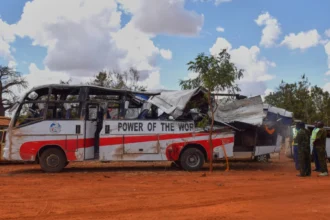
Visual evidence from the scene, captured by local media outlets like TV Globo, painted a grim picture of the accident’s severity. Footage revealed the mangled wreckage of the bus, its structure severely compromised, with shattered glass and personal belongings scattered across the roadside. The truck, also heavily damaged, was seen resting on the grassy shoulder, a stark testament to the force of the collision. The chaotic scene underscored the immediate need for a comprehensive investigation into the Brazil bus crash.
The five survivors of the Brazil bus crash were promptly transported to nearby hospitals in Ponta Grossa, a city relatively close to the accident site. Their condition and the extent of their injuries are being closely monitored, with medical professionals providing necessary care. Local media reports indicate that these individuals are receiving treatment, and efforts are underway to support their recovery. The focus now extends beyond the immediate rescue to the long-term well-being of those who survived this horrific event.
Following the collision, the BR-373 highway was completely closed in both directions, causing significant disruptions to traffic flow. Road operator Via Araucaria announced the closure, noting that there was "no estimated time" for the road to be reopened, signaling the extensive work required to clear the wreckage and secure the scene. The closure underscored the gravity of the incident and the logistical challenges involved in restoring normalcy to the affected transportation corridor. This closure adds to the broader impact of the Brazil bus crash.
In addition to the emergency response and traffic management, local authorities have mobilized to provide essential support to the families of those who perished in the Brazil bus crash. The municipality has established channels for offering psychological assistance, recognizing the profound emotional toll such a loss inflicts. The identities of the deceased have not yet been publicly released, a standard practice during the initial stages of such investigations to allow for proper notification of next of kin. This sensitive handling of information is crucial during this period of intense grief.
Road Safety Concerns in Parana
The tragic Brazil bus crash has reignited concerns about road safety in Parana and across Brazil. Highways, particularly those in rural and less densely populated areas, are often susceptible to issues such as poor road maintenance, inadequate lighting, and insufficient enforcement of traffic laws. The BR-373, like many Brazilian roads, faces challenges related to its condition and the volume of traffic it handles, including heavy-duty trucks. Understanding these broader systemic issues is crucial to preventing future tragedies.
The Role of Passenger Transport Services
The incident also brings into sharp focus the critical role of passenger transport services, particularly those responsible for transporting vulnerable populations like patients. The Imbituva municipal health department’s bus was part of a vital service aimed at ensuring equitable access to healthcare. The investigation into the Brazil bus crash will undoubtedly scrutinize the operational protocols and maintenance records of the vehicle and its drivers to ensure that all safety standards were met. Any lapses in these areas could have severe implications for public transportation safety.
Impact on Healthcare Access
The loss of patients and healthcare workers on their way to medical appointments has a direct impact on healthcare access for the Imbituva region and potentially beyond. The disruption to this specific transport service, even temporarily, could mean delays in treatment for individuals who rely on such provisions. The Brazil bus crash highlights the interconnectedness of transportation infrastructure and public health services, emphasizing that disruptions in one can have cascading effects on the other.
Investigations and Future Prevention
The Federal Highway Police and other relevant agencies are expected to conduct a thorough and transparent investigation into the Brazil bus crash. This will likely involve examining the vehicle’s mechanical condition, reviewing driver records, analyzing the road conditions at the time of the accident, and interviewing any witnesses. The findings of this investigation will be critical not only for assigning accountability but also for informing future road safety policies and implementing preventive measures to reduce the likelihood of similar catastrophic events.
Community Support and Resilience
In the wake of such a devastating event, community support and resilience become paramount. The outpouring of grief from Governor Junior and the proactive steps taken by local authorities to offer psychological support demonstrate a commitment to helping those affected. The Brazil bus crash serves as a stark reminder of the shared vulnerability and the importance of collective support systems in times of crisis. The road to recovery for the affected families and the community will be long and will require sustained compassion and assistance.
The ongoing investigation into the Brazil bus crash will be closely watched by the public and safety advocates alike. The hope is that a comprehensive understanding of the causes will lead to tangible improvements in road safety regulations and enforcement, ultimately preventing future loss of life on Brazil’s highways. The memory of those lost will undoubtedly fuel a continued drive for safer roads and more secure transportation for all citizens.