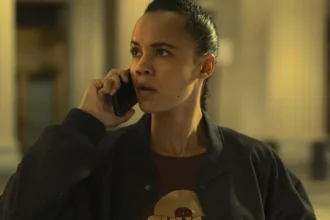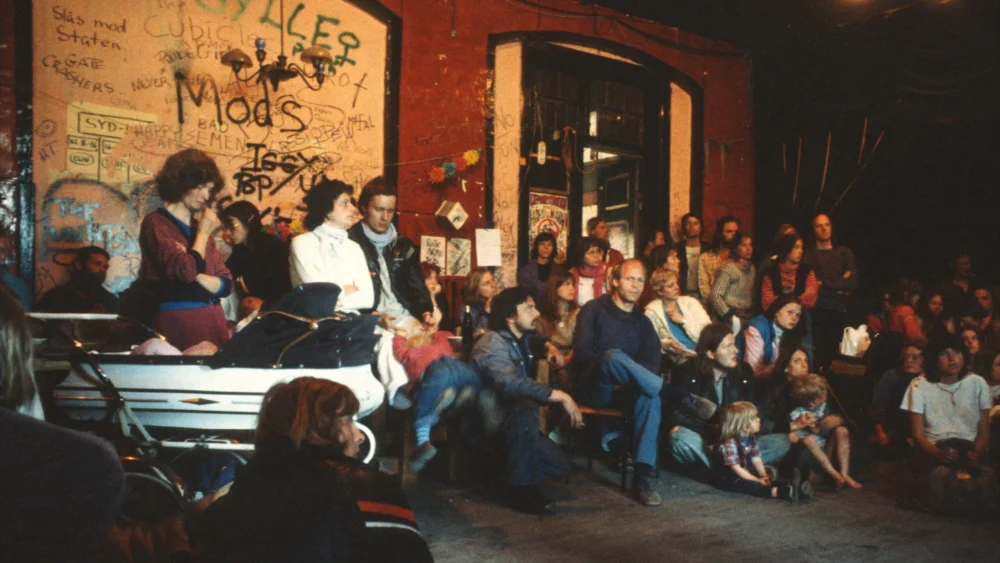
Copenhagen, Denmark, is set to host the world premiere of Christiania, a new documentary by director Karl Friis Forchhammer, offering an unprecedented look into the 55-year history of Freetown Christiania, the iconic anarchist commune. The film delves into the complex life of this unique 32-hectare alternative society, exploring its founding ideals, the challenges of its consensus democracy, the notorious Pusher Street cannabis market, and its enduring struggle for autonomy within a modern European capital. Produced by Rikke Tambo via Tambo Film, the documentary promises a nuanced, insider-outsider perspective on one of the world’s most fascinating social experiments, debuting at the 23rd Copenhagen International Documentary Film Festival (CPH:DOX) on Friday, March 13.
The Genesis of Freetown Christiania
The story of Christiania began in 1971 when a group of Danish squatters and idealists occupied abandoned military barracks in Copenhagen’s Christianshavn neighborhood. This act of civil disobedience rapidly evolved into a self-proclaimed "Freetown," founded on principles of collective ownership, self-governance, and an unwavering commitment to anti-establishment ideals. What started as a protest against housing shortages and societal norms quickly became a vibrant hub for the counter-culture movement, attracting hippies, artists, social outcasts, and a diverse array of individuals seeking an alternative way of life. The commune’s early days were marked by a spirit of radical freedom and creativity, where residents endeavored to build a society from scratch, detached from state control and conventional capitalist structures.
A Social Experiment Under Scrutiny
Over five decades, Freetown Christiania has navigated a precarious existence, often at odds with Danish authorities but sustained by a resilient community spirit and widespread public fascination. The documentary Christiania aims to capture this intricate history, moving beyond simplistic narratives to reveal the multifaceted reality of life within the commune.

Consensus Democracy in Practice
At the heart of Christiania’s governance is a radical form of consensus democracy, a system where all decisions require unanimous agreement from the community. This method, explored in depth by Forchhammer’s film, stands in stark contrast to traditional majority rule, demanding extensive deliberation and compromise from a highly diverse populace. From its earliest days, Christiania attracted a wide spectrum of individuals—from those at the bottom of society seeking refuge to highly educated, resource-strong people driven by philosophical ideals. The documentary highlights the extraordinary challenge of uniting such disparate voices, forcing residents to confront disagreements directly and find common ground on everything from local regulations to significant development projects. This democratic project, perhaps one of the largest and most sustained in contemporary history, offers profound lessons on the difficulties and potential rewards of collective decision-making, particularly in an era marked by increasing political polarization.
Navigating ‘Pusher Street’ and its Perils
One of Christiania’s most persistent and controversial features has been Pusher Street, its open-air cannabis market. Initially tolerated as part of the commune’s ethos of freedom, Pusher Street gradually transformed into a significant source of friction, both internally and externally. The documentary traces its evolution from a relatively benign informal market to an area plagued by organized crime, drug violence, and clashes with law enforcement. Press notes for the film describe Pusher Street as having become "Denmark’s most violent area," a stark deviation from the commune’s peaceful founding principles. Forchhammer’s film does not shy away from depicting the community’s internal struggles to address this issue, including efforts to dismantle the market, which have often been met with resistance and complex ethical dilemmas for residents committed to both autonomy and safety. The film seeks to present a balanced view, acknowledging the negative consequences while also exploring the intricate relationship between the commune’s ideals and the practical realities of its existence.
The Filmmaker’s Unique Lens: Karl Friis Forchhammer’s ‘Christiania’
Director Karl Friis Forchhammer brings a uniquely personal yet objective perspective to Christiania. Born in the commune before his parents moved away, Forchhammer grew up immersed in the myths and legends of the freetown. He recounts vivid childhood stories, including tales of the "Rainbow Army," Christiania’s informal defense group, and an unforgettable anecdote about an "alcoholic black bear called Rikke" who would break into a room to drink wine and fall asleep. These personal narratives infuse the film with a rich tapestry of folklore and human experience, offering a glimpse into the whimsical and often extraordinary daily life within the commune.

Forchhammer explains his motivation for making the film now, noting the urgency to capture the stories of the original Christianites as they age. He felt a powerful calling to document a life he didn’t fully live but that shaped his identity. Producer Rikke Tambo emphasizes that Forchhammer’s dual position as an "insider and an outsider" was key to creating a balanced narrative. While almost every Dane has an opinion on Christiania—loving it or hating it—Forchhammer’s approach ensures the film is neither solely positive nor entirely negative. This nuanced storytelling was crucial for gaining the trust of the Christianites themselves, many of whom, despite their deep affection for the place, are also its most candid critics.
Documentary’s Premiere and International Reach
Christiania is poised for a significant international debut. Its world premiere is scheduled for the main competition of the 23rd edition of CPH:DOX, the Copenhagen International Documentary Film Festival. CPH:DOX is renowned globally for its selection of thought-provoking and artistically daring documentaries, making it an ideal platform for a film exploring such complex themes. Beyond its festival premiere, Christiania is also one of six films selected for the second edition of Europe Docs!, an online showcase collaboratively curated by European Film Promotion and CPH:DOX. This initiative aims to elevate outstanding European documentaries and facilitate their access to the crucial North American market, signaling the film’s potential for broad international appeal and discussion.
Universal Themes of Governance and Dissent
Forchhammer views Christiania as more than just a historical account; he sees it as a "grand story" about democracy itself, one that feels profoundly "timely and universal." In an era where democratic values appear to be under increasing strain globally, and societies struggle with polarization, the film offers a unique case study in collective governance. Christiania’s requirement for unanimous consent, even among individuals with vastly differing ideologies and backgrounds, presents a powerful model for confronting difficult disagreements. The director suggests that the commune’s experience underscores the value of being "forced to be with" people one might fundamentally disagree with, transforming them from abstract adversaries into human beings with whom decisions must be made. This process, though often difficult and painful, can foster a sense of shared humanity and a commitment to collective solutions, a stark contrast to the "trench wars" often observed in contemporary social media discourse.
Community Reception and Future Impact

The initial screening of Christiania for the commune residents themselves was a moment of profound significance for Forchhammer. Despite his palpable nervousness, the reception was overwhelmingly positive. The film, he observed, had a unifying effect, bringing together Christianites who held opposing views, for instance, on the closing of Pusher Street. Many older residents were visibly moved, seeing their entire lives and experiences unfold on screen, some shedding tears as they reflected on the commune’s journey. This emotional resonance underscores the film’s success in portraying the community with authenticity and respect. Forchhammer’s ambition was to create a film that transcends political divides, appealing to both the left and the right by presenting a nuanced portrayal of idealism, democracy, and their inherent imperfections.
The impact of Christiania is expected to extend beyond cinematic audiences. Producer Rikke Tambo confirmed plans for the film to be screened in schools, accompanied by educational materials designed to foster discussions among younger generations about alternative societies, governance, and social responsibility. Forchhammer himself will engage in Q&A sessions, providing further context and insights into the commune’s enduring legacy. Looking ahead, Forchhammer expressed interest in exploring the broader Scandinavian welfare model, connecting it to the unique tolerance that allowed Christiania to flourish. He questions how a Minister of Defense could once actively assist squatters in forming an alternative society, highlighting a historical period of profound societal openness. This reflection suggests a continued commitment to examining the foundational values of Scandinavian identity and how they are being challenged and redefined in the modern world, much like Christiania itself continues to evolve.
Christiania remains an extraordinary beacon of alternative living, a place where idealism clashes with reality, and the pursuit of freedom encounters the complexities of human nature. Karl Friis Forchhammer’s documentary serves as a vital historical record and a timely meditation on the enduring challenges and possibilities of democracy, offering a powerful narrative that resonates far beyond the cobblestone paths of Copenhagen’s self-governing freetown.