Steep Financial Toll of the Iran War
New research from the Center for Strategic and International Studies (CSIS), a prominent Washington-based think tank, has meticulously detailed the immense financial outlay associated with the escalating conflict. The analysis, conducted by researchers Mark Cancian and Chris Park, highlights that only a fraction of the $3.7 billion expended in the war’s first four days was pre-allocated within the Pentagon’s budget. The overwhelming majority, approximately $3.5 billion, represents unbudgeted expenses.
This financial reality means that the Department of Defense will soon face the necessity of requesting additional funding from Congress to cover these unforeseen expenditures. Such a request is anticipated to become a contentious political issue, potentially serving as a significant focal point for opposition to the war effort. The timing of these financial demands coincides with existing domestic economic pressures, including concerns over the cost of living and inflation, which are already impacting American households.
Munitions Expenditure Drives Costs
A key driver of the war’s substantial initial cost is the sheer volume of munitions expended by U.S. forces. The CSIS analysis indicates that over 2,000 rounds of various types of ordnance were deployed within the first 100 hours of hostilities. Replenishing this inventory on a like-for-like basis is estimated to cost an additional $3.1 billion, with the ongoing daily costs of munitions alone projected to be $758.1 million.
The research team based its estimates on data from the Congressional Budget Office (CBO) concerning operations and support costs for different military units. These figures were adjusted for inflation and unit size, with an additional 10 percent factored in to account for the heightened operational tempo characteristic of the early stages of a major conflict. This meticulous approach underscores the significant financial commitment required to sustain modern warfare.
The Challenge of Unbudgeted War Costs
The substantial unbudgeted nature of the war’s initial costs presents a significant challenge for the Trump administration. Unlike some previous military operations, where a larger proportion of expenses was already integrated into the defense budget, the current conflict in Iran demands a considerable reallocation of resources or supplementary funding. This situation is in stark contrast to operations like the recent intervention leading to the apprehension of Venezuela’s Nicolas Maduro, where costs were largely covered by existing budgetary allocations.
Researchers emphasize that the Pentagon will inevitably require additional funds to sustain operations at the current pace. The scale of budget cuts that would be necessary to absorb these costs internally is deemed politically and operationally unfeasible. This situation could prompt the administration to pursue a supplemental appropriation, a mechanism previously employed by the George W. Bush administration during the initial phases of the wars in Iraq and Afghanistan.
Political Ramifications and Public Opinion
The need for additional war funding is poised to ignite considerable political debate. Any request for supplementary appropriations will likely become a rallying point for those opposing the conflict. This is particularly relevant given the current domestic economic climate, where rising gas prices, a direct consequence of the conflict’s impact on global energy markets, are exacerbating existing inflation concerns.
Furthermore, the war’s financial implications and its perceived necessity are likely to erode public support. President Trump’s "America First" base, which was cultivated on a promise to avoid "foreign wars," may find the escalating costs and ongoing military engagement in Iran at odds with his campaign pledges. This could lead to internal divisions within his core constituency and amplify criticisms of his foreign policy approach.
Escalating Military Operations and Future Costs
The financial outlook suggests that the current expenditure is likely to be just the beginning of the war’s economic impact. U.S. Defense Secretary Pete Hegseth has indicated that the bombardment of Iran is "about to surge dramatically," with plans to deploy additional fighter squadrons, enhance defensive capabilities, and increase the frequency of bomber operations. While air campaigns often see a decrease in intensity after their initial phase, the unbudgeted costs associated with this projected escalation will undoubtedly be substantial.
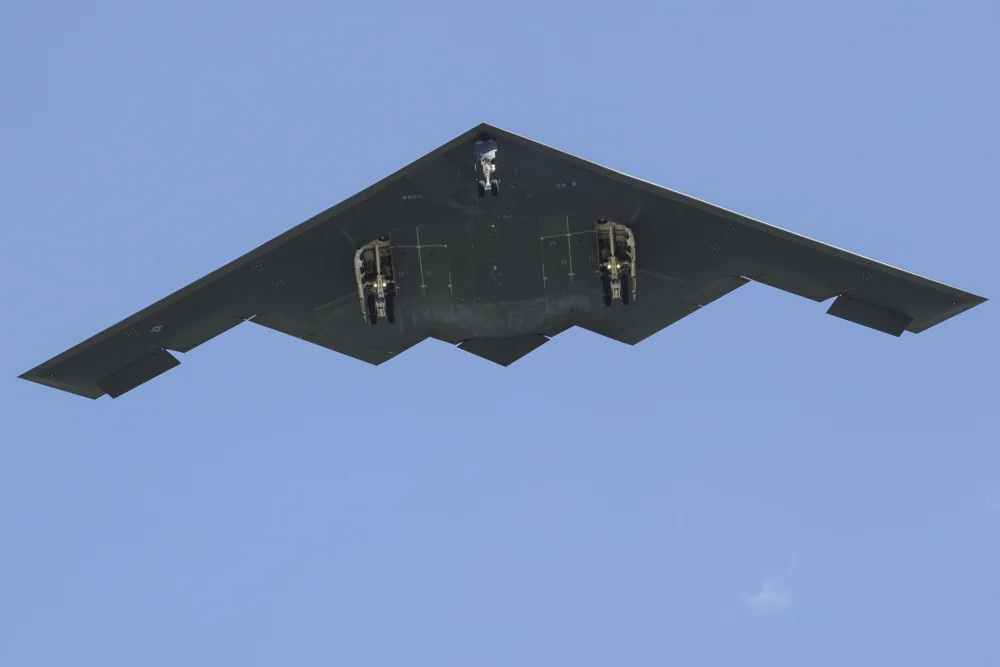
The continuous deployment of advanced weaponry, including stealth bombers and sophisticated missile systems, comes with a hefty price tag for both immediate use and subsequent replenishment. The strategic objectives driving these escalating operations will necessitate sustained financial commitment, placing further strain on national resources and potentially diverting funds from other critical domestic priorities.
The Human Cost of the Conflict
Beyond the immense financial burden, the human cost of the war on Iran has already been devastating. Reports indicate that over 1,332 individuals have been killed in Iran since the commencement of U.S. and Israeli bombardment. The Iranian Red Crescent has confirmed these figures, with UNICEF reporting that at least 181 children are believed to be among the deceased.
The conflict has also spilled over into neighboring regions, with significant casualties reported in Lebanon. The Lebanese Ministry of Public Health states that the death toll from Israeli attacks in the country has risen to at least 123 people, marking one of the most intense fronts in the broader regional conflict. U.S. forces have also sustained losses, with at least six servicemen confirmed dead. In Israel, 11 individuals have lost their lives, and the conflict has resulted in nine fatalities in Gulf Arab countries, underscoring the widespread human toll of the escalating hostilities.
Broader Geopolitical and Economic Implications
The financial commitment to the war in Iran carries significant geopolitical and economic implications for the United States and the global community. The substantial expenditure could impact the U.S. defense industrial base, potentially leading to increased production orders for munitions and military hardware. This could, in turn, stimulate certain sectors of the economy but also raise concerns about the long-term sustainability of such high levels of military spending.
On a global scale, the conflict’s impact on energy markets, as evidenced by rising gas prices, highlights the interconnectedness of international security and economic stability. The ongoing hostilities could also lead to further disruptions in global supply chains and potentially influence international trade relations. The political ramifications extend to diplomatic efforts, as the war could complicate alliances and partnerships, particularly in a region already characterized by complex geopolitical dynamics.
The Path Forward: Funding and Opposition
The immediate future of the conflict’s funding will likely be a closely watched political battle. The administration’s decision on whether to seek a supplemental appropriation or attempt to reallocate existing funds will have significant implications for both the military’s operational capacity and domestic budget priorities. The political opposition, armed with economic concerns and a desire to adhere to non-interventionist principles, will likely use any funding request as a platform to challenge the war’s objectives and conduct.
The transparency surrounding the war’s costs and the justification for its continuation will be crucial in shaping public discourse and political outcomes. As the conflict progresses, the interplay between military objectives, financial realities, and public sentiment will determine the long-term trajectory of U.S. involvement and its ultimate cost, both in dollars and in human lives. The ongoing analysis by think tanks like CSIS will continue to provide critical insights into the financial sustainability and strategic implications of this complex and costly engagement.