Former President Donald Trump’s recent public endorsement of Federal Communications Commission (FCC) Chair Brendan Carr’s suggestion to review or revoke broadcast licenses over coverage of the U.S. war against Iran has ignited a fierce debate about press freedom and government overreach, sending ripples of concern through both political circles and the broader entertainment industry. This escalation marks a significant new chapter in the long-standing animosity between Trump and various media outlets, moving beyond rhetoric to potentially impact the operational integrity of major broadcast networks. The dispute has quickly drawn bipartisan condemnation, with critics citing fundamental constitutional protections for news organizations and warning against setting dangerous precedents for media regulation.
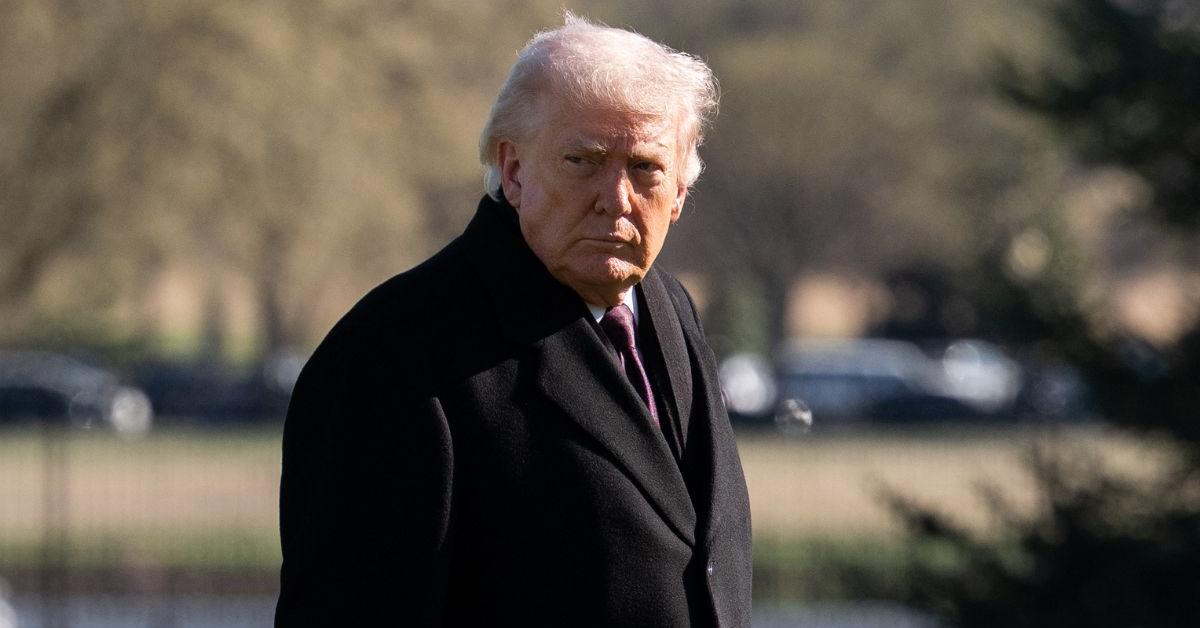
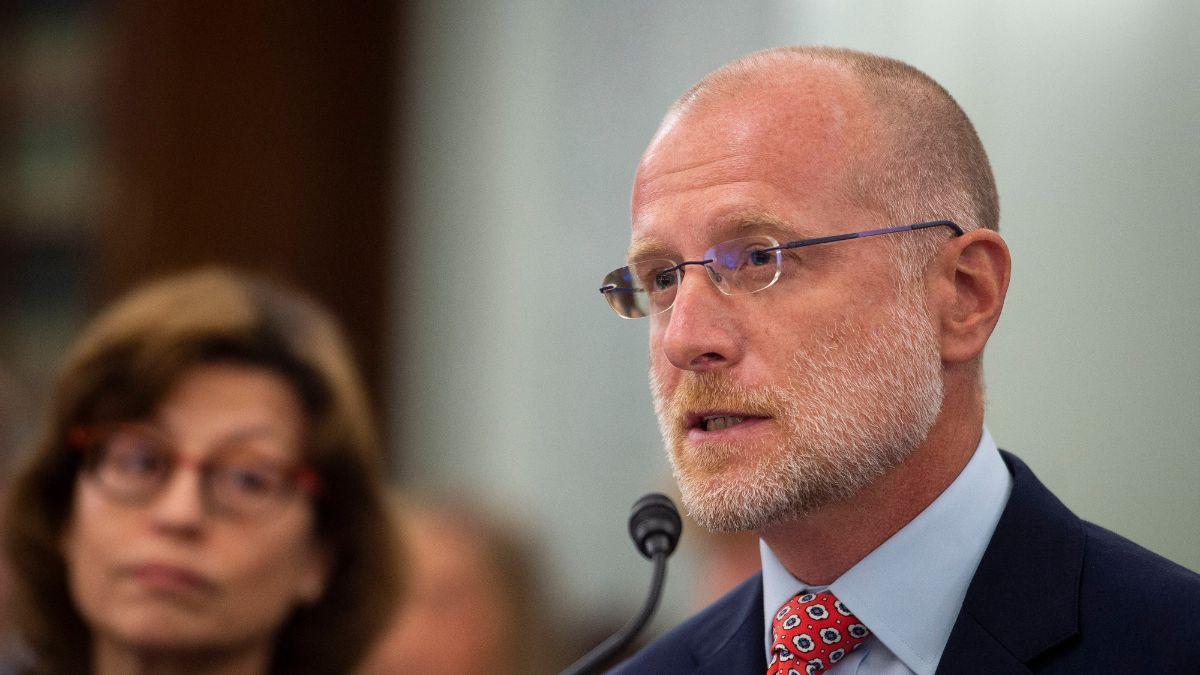
The controversy originated from comments made by FCC Chair Brendan Carr, who suggested that broadcasters airing "hoaxes and news distortions" could face severe consequences, including the loss of their licenses, if they failed to uphold the "public interest." These remarks were swiftly amplified by Donald Trump on his Truth Social platform, where he expressed his enthusiasm for Carr’s initiative. Trump stated he was "thrilled" that Carr was "looking at the licenses of some of these Corrupt and Highly Unpatriotic ‘News’ Organizations," accusing them of leveraging public airwaves to "perpetuate LIES." This endorsement transformed Carr’s regulatory musings into a direct political challenge to media independence, particularly poignant given the ongoing military conflict with Iran and the intense scrutiny of war reporting.
A Deep Dive into the FCC’s Mandate and Constitutional Safeguards
The Federal Communications Commission (FCC) is an independent U.S. government agency tasked with regulating interstate and international communications by radio, television, wire, satellite, and cable. A core component of its authority over broadcast media stems from the concept of the "public interest," convenience, and necessity. Historically, this standard has been interpreted to ensure broadcasters serve their communities responsibly, often involving content diversity, local programming, and adherence to certain ethical guidelines. However, the application of this standard to editorial content, particularly news coverage, has consistently raised First Amendment concerns.
The First Amendment to the U.S. Constitution explicitly protects freedom of speech and the press, acting as a crucial barrier against government censorship and interference with journalistic operations. While broadcast media operates under different regulatory frameworks than print or digital platforms due to the scarcity of airwaves, Supreme Court rulings have consistently affirmed that broadcasters are not exempt from First Amendment protections. Threats to revoke licenses based on perceived "lies" or "distortions" are widely seen by legal experts as a direct challenge to these fundamental principles, suggesting a governmental attempt to dictate news content rather than merely regulate technical aspects of broadcasting.

Political and Media Reactions to the FCC Push
The swift and sharp reaction to Trump’s backing of the FCC’s stance underscored the gravity of the situation. Lawmakers from across the political spectrum voiced their opposition, emphasizing the critical importance of an independent press. Republican Senator Ron Johnson, appearing on Fox News, explicitly stated his disapproval of "heavy-handed government" intervention, irrespective of which party is in power. "I would rather the federal government stay out of the private sector as much as possible," Johnson remarked, highlighting a traditional conservative skepticism towards regulatory overreach.
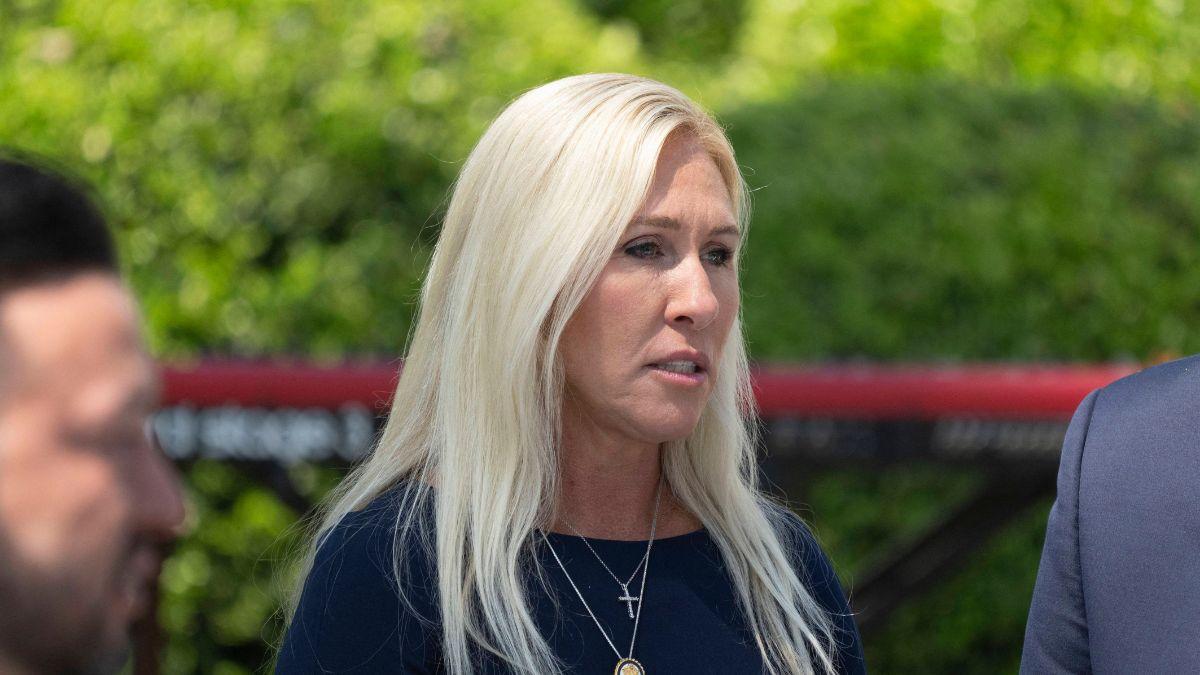
Echoing similar concerns, former Republican Representative Marjorie Taylor Greene, speaking on CNN, warned against establishing a dangerous precedent. Greene asserted that "No government, whether Republican or Democrat, should ever put a lid or any type of threatening enforcement on media companies as they try to get the truth out." This bipartisan pushback signals a broad understanding that while criticisms of media bias are common, direct governmental threats to revoke licenses cross a line into potential censorship, undermining the democratic function of a free press. News organizations, already navigating a challenging landscape of declining trust and economic pressures, view these threats as a chilling attempt to intimidate and control their reporting, particularly on sensitive issues like foreign conflicts.

The Blurring Lines: Entertainment Caught in the Crossfire of Media Tensions
While the primary target of these threats appears to be traditional news coverage, the implications of this FCC push extend significantly into the entertainment world. Major broadcast networks such as ABC, CBS, and NBC are not solely news providers; their local affiliates also produce and distribute a vast array of entertainment programming. This includes everything from popular late-night talk shows and daytime programming to high-profile live events like the Academy Awards (Oscars).
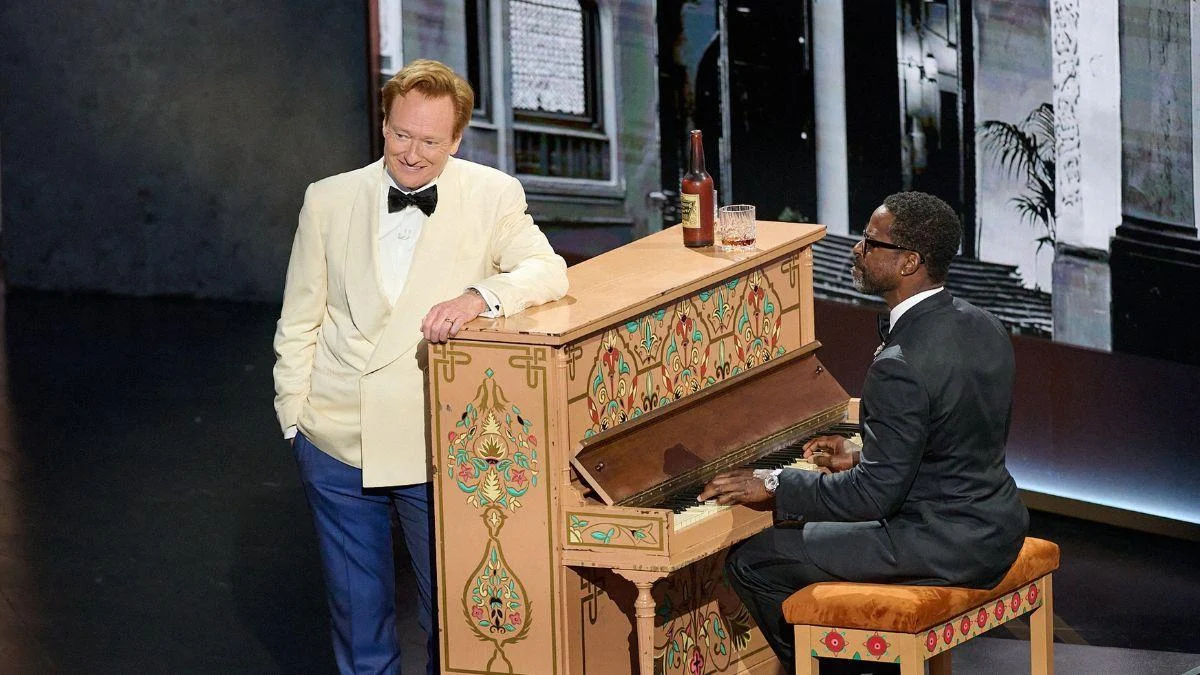
The inherent overlap means that criticism leveled at "news organizations" can, and often does, bleed into these entertainment spaces. Late-night hosts, for instance, frequently incorporate political commentary and satire into their monologues, often critiquing political figures and current events. Award shows have also become prominent platforms for celebrities to express their views on societal and political issues. As a result, these entertainment outlets, sharing the same broadcast channels under FCC oversight, find themselves increasingly entangled in political conflicts previously confined to news divisions. The Trump administration’s broader frustrations with media coverage have historically manifested in direct attacks on comedians and presenters, further blurring the line between objective reporting and entertainment-driven commentary. This dynamic creates a cultural tension where political discourse is not just reported but also satirized and debated across various forms of broadcast content.
A Changing Media Landscape and the FCC’s Limited Reach
The debate over media regulation is intensifying at a time when the media landscape itself is undergoing profound transformation. FCC Chair Brendan Carr has articulated a desire for broadcasters to "reorient their operations to the public interest," attributing this need to declining public trust in traditional media and evolving audience consumption habits. However, critics argue that using regulatory threats to address perceived failures in public interest amounts to an attempt to influence editorial decisions, rather than a genuine effort to improve media standards.
A critical point in this discussion is the FCC’s jurisdictional limitations. The agency’s authority to license and regulate applies predominantly to over-the-air broadcast television and radio. It does not extend to the vast and rapidly growing domains of cable news networks (like CNN or Fox News), streaming platforms (Netflix, Hulu, Disney+), or social media (Facebook, X, TikTok), which now constitute a significant portion of where Americans consume news and entertainment. This limitation highlights a paradox: the most forceful rhetoric from the administration is directed at a segment of the media industry that, while still influential, represents a shrinking slice of overall media consumption, especially among younger demographics.
Despite this narrowing scope of direct FCC power, the symbolic weight of threatening broadcast licenses remains considerable. Such actions could still have a chilling effect on local news and national network affiliates, potentially leading to self-censorship to avoid regulatory scrutiny. The ongoing U.S. war in Iran further exacerbates these tensions, as government officials have reportedly criticized outlets like CNN, The Wall Street Journal, and ABC News for what they deem "unfavorable developments" in their coverage. This suggests a broader pattern of attempting to manage narratives during a sensitive international conflict.
For entertainment audiences and the industry, the situation reinforces an increasingly charged dynamic: political events drive headlines, these headlines then shape the content created by entertainers and comedians, and that content, in turn, fuels the next cycle of public and political commentary. The interconnectedness of news, politics, and popular culture means that any governmental action impacting one sphere inevitably resonates across the others, particularly when it touches upon fundamental issues of free expression and media independence. As the 2026 political cycle approaches, the implications of this FCC push are poised to be a defining feature of the ongoing struggle for control over information and narrative in the United States.