The pop superstar’s frustration boiled over during a recent outing, marking another contentious interaction with photographers.
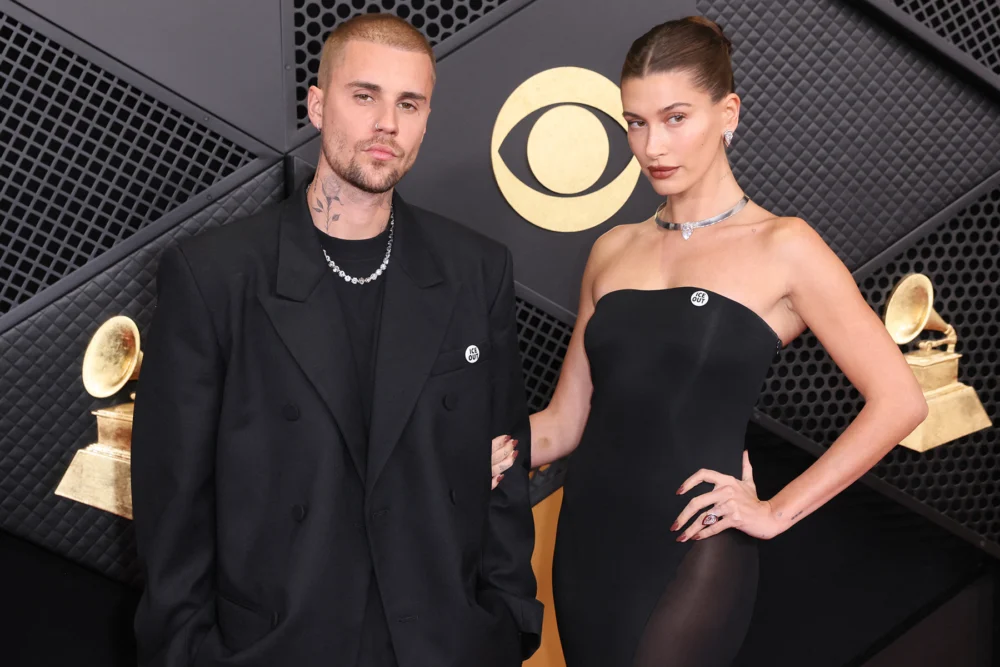
Pop music icon Justin Bieber’s history of clashes with paparazzi took another turn on Friday, March 6, when the singer reportedly hurled a water bottle toward photographers. The incident occurred in a parking garage in Los Angeles after Bieber and his wife, model Hailey Bieber, had concluded a late-night dinner at the upscale West Hollywood restaurant Sushi Park.
Video footage obtained by TMZ captured the moment Bieber, 32, appeared visibly agitated as he and Hailey navigated their way through a throng of camera-wielding individuals. As they approached their black SUV, Bieber reached for a half-empty Fiji water bottle and tossed it in the direction of the persistent press. Fortunately, the projectile did not strike anyone and landed harmlessly on the ground before the couple swiftly departed the scene.
This latest confrontation underscores a recurring theme in Bieber’s public life: the intense scrutiny and invasive tactics employed by celebrity photographers. The incident serves as a stark reminder of the pressures faced by high-profile individuals who often find their personal moments invaded by the relentless pursuit of candid shots.
A Pattern of Paparazzi Encounters
The water bottle incident is far from an isolated event for Justin Bieber, who has publicly expressed his displeasure with paparazzi behavior on multiple occasions throughout his career. His frustration with invasive photography has been a consistent undercurrent, escalating at various points and drawing public attention to the challenges of maintaining privacy in the digital age.
Last summer, preceding the release of his seventh studio album, "Swag," Bieber generated significant online buzz for an interaction where he seemingly confronted intrusive paparazzi. During the encounter, he was heard asking, "It’s not clocking to you that I’m standing on business, is it?" This phrase quickly transcended the immediate situation, becoming a widely circulated meme and highlighting a moment of defiance against what he perceived as unwarranted intrusion.
More recently, in April 2025, Bieber used his platform to voice his concerns about the "darkness" he felt in Los Angeles, specifically referencing the treatment he endures from paparazzi. He shared an Instagram video that offered a first-person perspective of his experience stepping out into blinding camera flashes, with photographers shadowing his every move and often obstructing his path. The footage underscored the overwhelming nature of such encounters, with his security team repeatedly attempting to create space.

The Long Road of Celebrity and Scrutiny
Bieber’s struggles with the paparazzi predate even his most recent public outbursts. Since his meteoric rise to fame in 2009 as a 15-year-old phenomenon, the "Baby" singer has been a constant target for relentless media attention. His willingness to speak out against the invasive nature of this practice has been a recurring narrative throughout his adult life.
The April 2025 incident, in particular, drew parallels to a significant event in 2014. At that time, Bieber’s Ferrari was involved in a rear-end collision with a photographer who was reportedly pursuing him aggressively. The close call served as a wake-up call for the artist, prompting him to voice strong opinions about the need for legal protections against such dangerous practices.
Following the 2014 collision, Bieber took to X (formerly Twitter) to express his outrage. He posted, "There should be laws against what I just experienced. We should have learned from the death of Princess Diana…" This statement drew a poignant parallel to the tragic fate of the late Princess of Wales, who died in a car crash in Paris in 1997 while being pursued by paparazzi. The comparison underscored Bieber’s deep-seated fears regarding the potential for severe harm or even fatalities stemming from aggressive paparazzi tactics.
The Broader Impact of Paparazzi Culture
The constant pursuit of celebrities by paparazzi extends beyond individual incidents, raising broader questions about privacy, media ethics, and the mental well-being of public figures. For artists like Justin Bieber, who have grown up under the intense glare of the spotlight, the normalization of invasive photography can have profound and lasting psychological effects.
The proliferation of smartphones and social media has further amplified the reach and impact of paparazzi imagery. Every fleeting moment, from a casual stroll to a public outing, can be captured, disseminated, and dissected by a global audience. This relentless cycle of surveillance can contribute to feelings of anxiety, paranoia, and a pervasive sense of being constantly under observation.
The legal landscape surrounding paparazzi practices remains a complex and often debated area. While photographers have a right to capture public figures in public spaces, the line between legitimate newsgathering and harassment can become blurred, especially when aggressive tactics are employed. The incidents involving Bieber highlight the ongoing tension between the public’s fascination with celebrity lives and the fundamental right to privacy.
Industry Reactions and Future Implications
The music industry, where Bieber remains a dominant force, has witnessed firsthand the toll that such pressures can take on artists. While the exact financial implications of paparazzi encounters are difficult to quantify, they can undoubtedly impact an artist’s ability to engage in public life, promote their work, and maintain a semblance of normalcy.
The water bottle incident, while a minor act of frustration in the grand scheme of things, contributes to a larger narrative about the challenges of fame. It prompts a renewed conversation about the responsibilities of both the media and the public in how they consume and engage with the lives of celebrities.
As Justin Bieber continues his career, his interactions with the paparazzi are likely to remain a subject of public interest. His past statements and actions suggest a deep-seated desire for greater respect for his personal space, a sentiment shared by many other public figures navigating the complexities of modern celebrity. The ongoing dialogue surrounding these issues is crucial for fostering a more balanced and ethical approach to media coverage of public personalities.
The constant demand for exclusive content fuels a competitive and sometimes aggressive environment for photographers. This creates a dynamic where the pursuit of a viral image can sometimes overshadow ethical considerations and the well-being of the individuals being photographed. The long-standing nature of this dynamic suggests that future encounters between Bieber and the paparazzi, while hopefully less volatile, are likely to continue as long as the demand for such content persists.
The public’s appetite for celebrity news, while understandable, plays a significant role in perpetuating the cycle of intrusive photography. Media outlets, driven by clicks and viewership, often amplify these images, further incentivizing the aggressive tactics employed by some photographers. This creates a feedback loop where the demand for sensational content fuels the very practices that lead to confrontations like the one involving Justin Bieber and Hailey Bieber.
The broader cultural implications are also noteworthy. The constant portrayal of celebrities under siege can, for some, normalize the idea that public figures are fair game for any level of intrusion. This can inadvertently desensitize the public to the very real emotional and psychological toll that such constant surveillance can exact.
Moving forward, the hope remains that a greater emphasis on ethical reporting and a more mindful consumption of celebrity-related content can contribute to a less adversarial relationship between public figures and the media. The experiences of Justin Bieber, documented over years, serve as a potent case study in the enduring challenges of fame in the modern era and the ongoing quest for privacy amidst the relentless pursuit of the spotlight. The incident at Sushi Park, while seemingly minor, adds another chapter to this ongoing narrative, highlighting the persistent friction between celebrity life and the invasive gaze of the paparazzi.